Trump's Viral Interview Exit: Analysis of Presidential Insults and Confrontation with Journalist
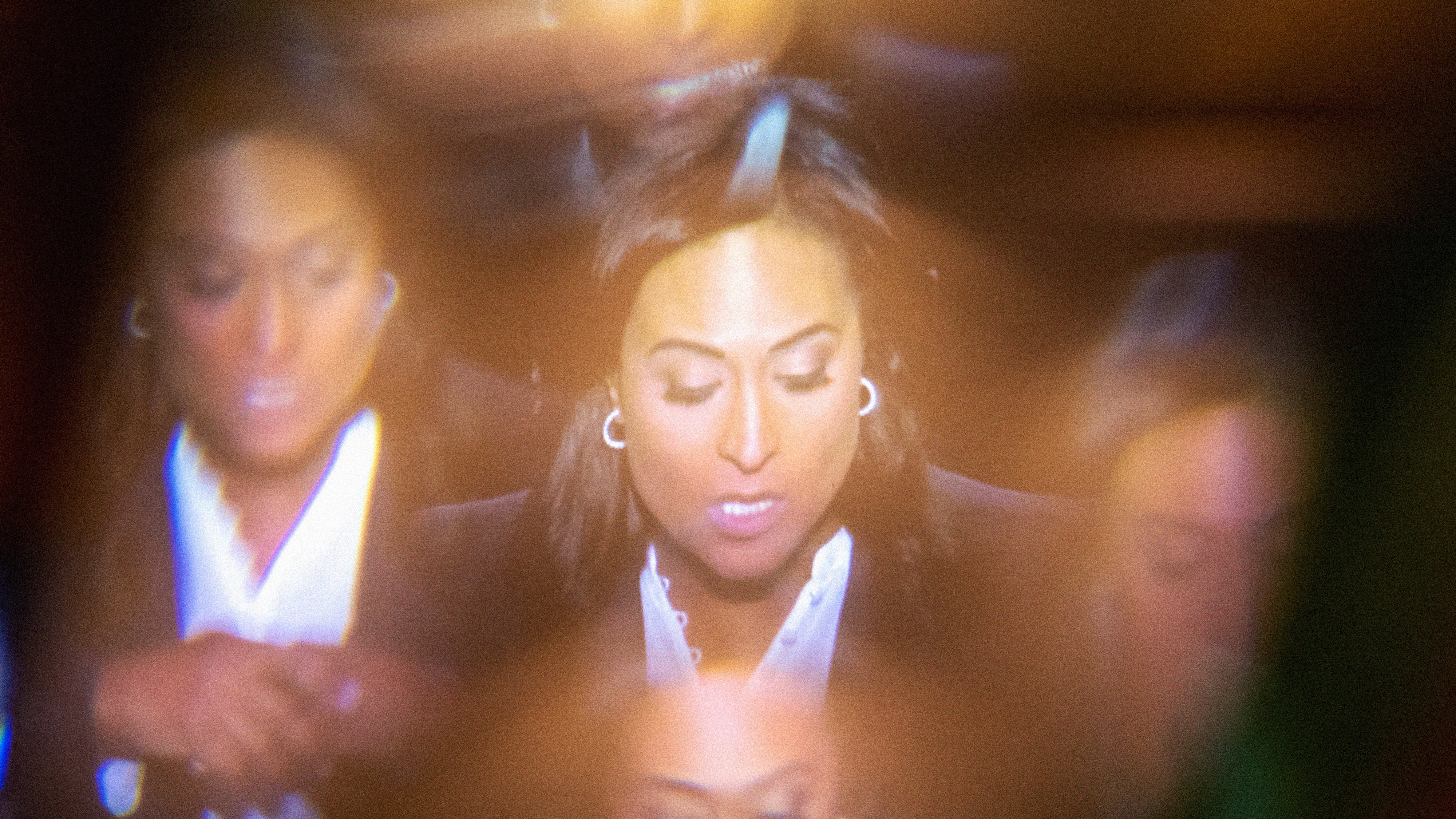
During a Meet the Press interview with moderator Kristen Welker in Wisconsin, President Trump abruptly ended the segment after being asked to provide evidence for claims of election fraud in California and the 2020 election. The Atlantic analyzes the incident as part of a broader pattern of Trump's insults, particularly those directed at women journalists of color. The exchange provides a rare on-camera glimpse of Trump's documented pattern of anger and verbal attacks when challenged by journalists.
President Trump walked out of a Meet the Press interview conducted by Kristen Welker after she asked him to provide evidence for his claims of election fraud in California and the 2020 presidential election. The interview, filmed in a barn setting in Wisconsin, initially covered standard political topics including the economy and international affairs before turning to election integrity questions. When Welker posed straightforward follow-up questions—described as routine journalistic practice rather than "gotcha" questions—Trump responded with anger, calling NBC "crooked" and ending the interview. The Atlantic frames this incident within a documented pattern of Trump's insults, particularly those targeting women journalists and journalists of color, categorizing his typical attacks into seven categories including comments on appearance, intelligence, professional capability, personality, and character. The viral video's significance lies in capturing Trump's immediate emotional reaction on camera, providing public documentation of the temperament that has been previously reported in news accounts.
What's missing
The article does not provide Trump's stated rationale for his claims of election fraud in California or context about any actual election irregularities reported in that state. Additionally, while the article references the 2020 election fraud claims as 'thoroughly debunked' and calls them 'the Big Lie,' it does not cite specific sources or official determinations supporting this characterization.
What different sources said
- The AtlanticLeft
Anatomy of a Trump Insult
Related
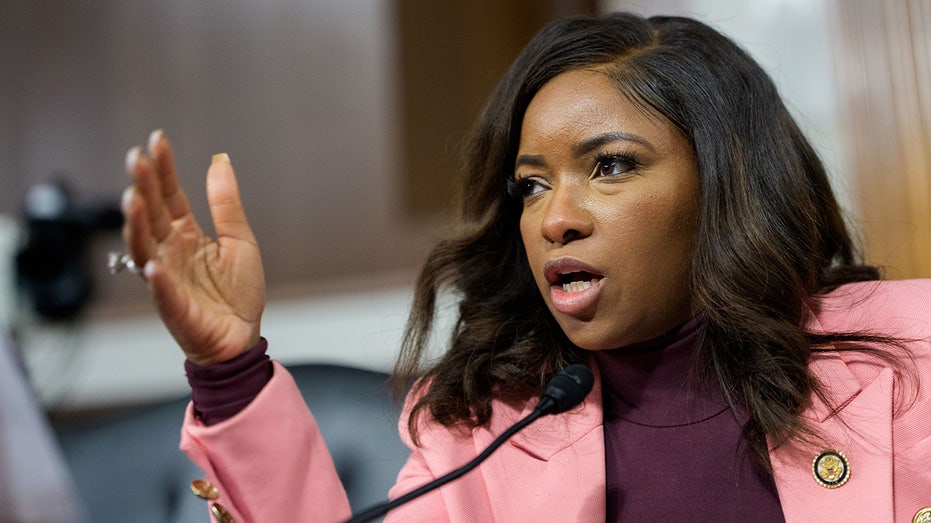
Rep. Crockett and Alveda King clash at Capitol Hill hearing on SPLC funding
During a House Judiciary Committee hearing on the Southern Poverty Law Center's funding practices, Rep. Jasmine Crockett criticized Republicans for what she called using Martin Luther King Jr.'s niece Alveda King as a 'prop' to deflect from racism allegations. Crockett accused the GOP of being predominantly white and unwelcoming to people of color, while Alveda King responded by asserting her legitimate place in the King family legacy. The exchange highlighted partisan disagreements over civil rights organizations and representation within the Republican Party.
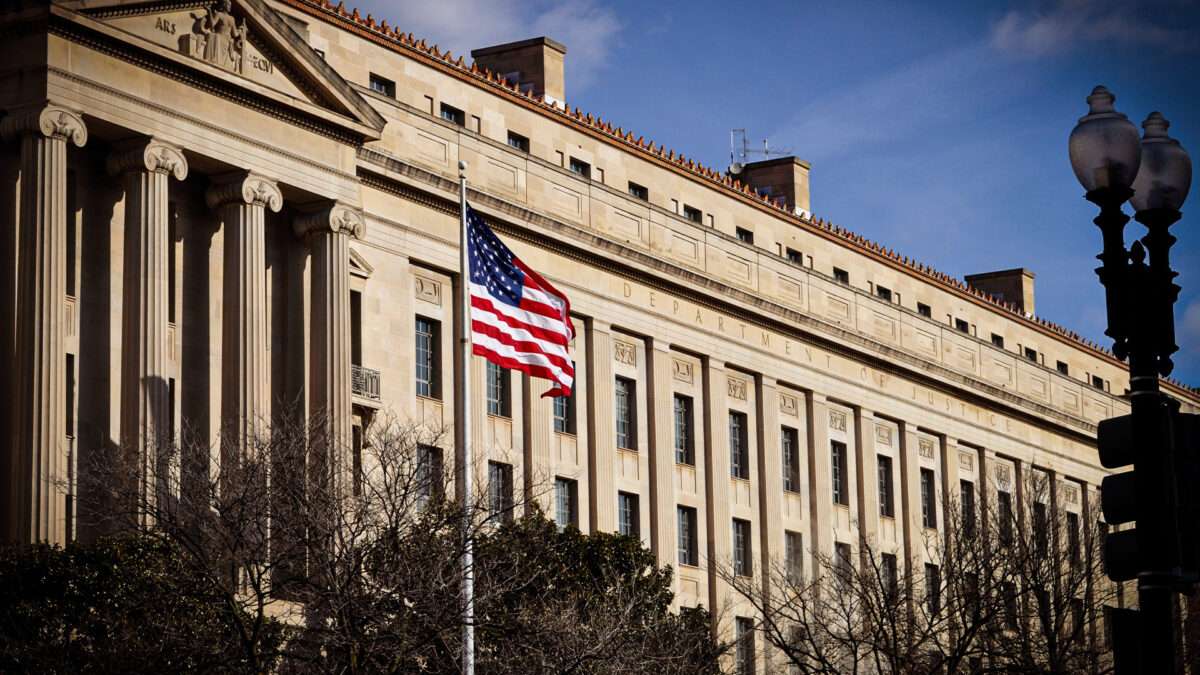
DOJ Brief Claims Anti-Weaponization Fund Was Politically Neutral; Trump's Recent Comments Contradict That Position
The Department of Justice filed a brief arguing that Trump's proposed Anti-Weaponization Fund is moot because it will not be implemented, and denying claims it was designed to benefit Trump supporters. However, Trump stated in a recent television interview that the fund would benefit people hurt by the "radical-left," directly contradicting the DOJ's legal position. The discrepancy highlights tensions between the administration's official legal arguments and the president's public statements about the fund's intended purpose.
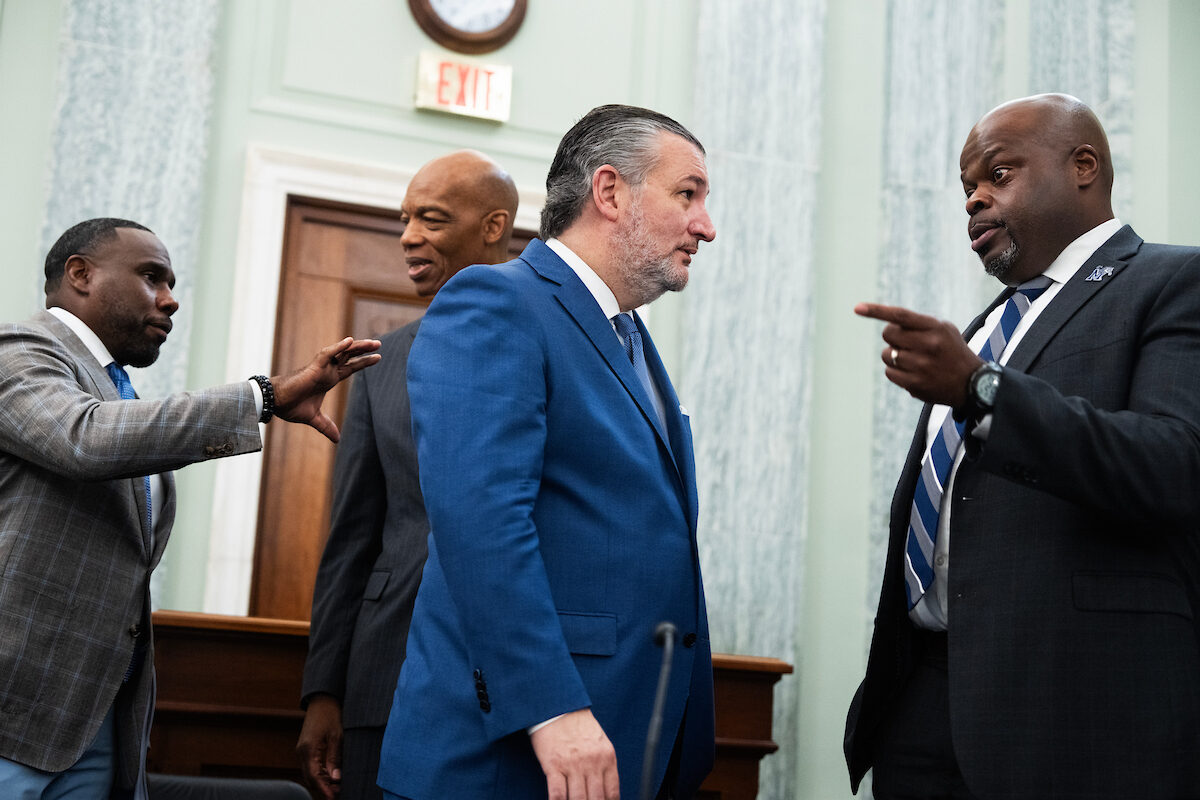
Bipartisan College Sports Reform Bill Creates Unusual Political Alliances
A Senate bill called the Protect College Sports Act, co-authored by Republican Ted Cruz and Democrat Maria Cantwell, is advancing with backing from President Trump and support from rival college football coaches. The legislation aims to regulate Name, Image, and Likeness (NIL) payments and restore order to college athletics amid skyrocketing costs and roster instability. The bill has created unusual cross-party and regional alliances, though it faces opposition from some conservatives and progressives, as well as divisions among conference leaders.