Bipartisan College Sports Reform Bill Creates Unusual Political Alliances
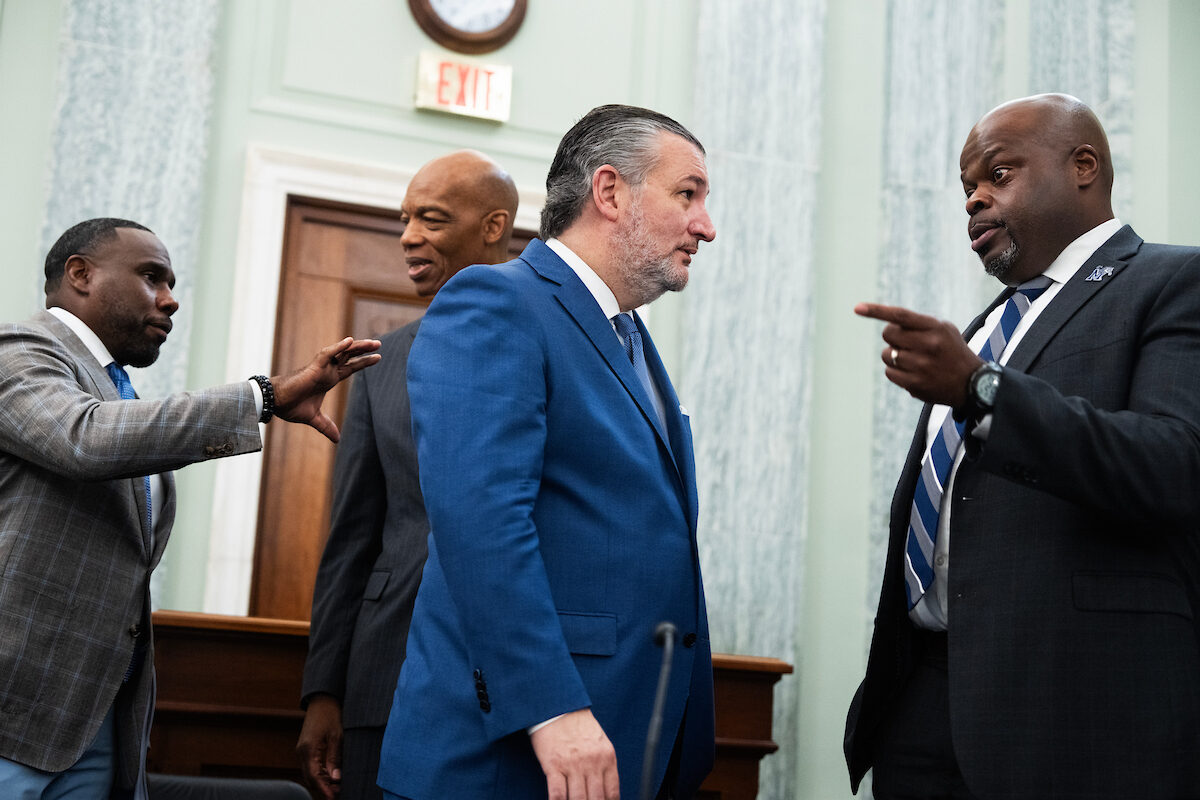
A Senate bill called the Protect College Sports Act, co-authored by Republican Ted Cruz and Democrat Maria Cantwell, is advancing with backing from President Trump and support from rival college football coaches. The legislation aims to regulate Name, Image, and Likeness (NIL) payments and restore order to college athletics amid skyrocketing costs and roster instability. The bill has created unusual cross-party and regional alliances, though it faces opposition from some conservatives and progressives, as well as divisions among conference leaders.
Senators Ted Cruz (R-Texas) and Maria Cantwell (D-Wash.) are pushing the Protect College Sports Act, a bipartisan measure designed to regulate the college sports landscape, particularly the uncontrolled NIL market that has destabilized athletic departments. The bill has garnered support from rival college football coaches, including Derek Mason of Middle Tennessee State and Charles Huff of Memphis, who testified at a Senate roundtable hearing in favor of the legislation. Cruz has expressed urgency to pass the bill before the school year begins and before the transfer portal opens in December. However, the measure faces a complicated path forward, with opposition from both conservative and progressive members of Congress, as well as disagreements among college sports conference leaders. Notably, House Majority Leader Steve Scalise, typically a Trump ally, has opposed the Senate version in favor of a different House bill, illustrating how regional and conference affiliations are driving positions more than traditional partisan divides.
What's missing
The article does not provide specific details about what regulatory mechanisms the Protect College Sports Act would implement to control NIL payments, nor does it explain the substantive differences between the Senate version and the stalled House version that Scalise prefers.
What different sources said
- Roll CallCenter
College sports bill sparks unusual alliances
Related

India's Government May Delay Mandatory Higher Ethanol Fuel Blending Amid Engine Damage Concerns
India's government is considering postponing a mandatory increase in ethanol blending beyond E20 (20% ethanol) to avoid damaging engines in older vehicles, according to officials and industry experts. Most vehicles on Indian roads were designed for E10 or are only partially E20-compliant, and higher blending could reduce fuel efficiency by 1-2% or more while raising maintenance costs. The government is instead promoting flex-fuel vehicles that can handle multiple ethanol blends, while preparing standards for E22 through E30 options.
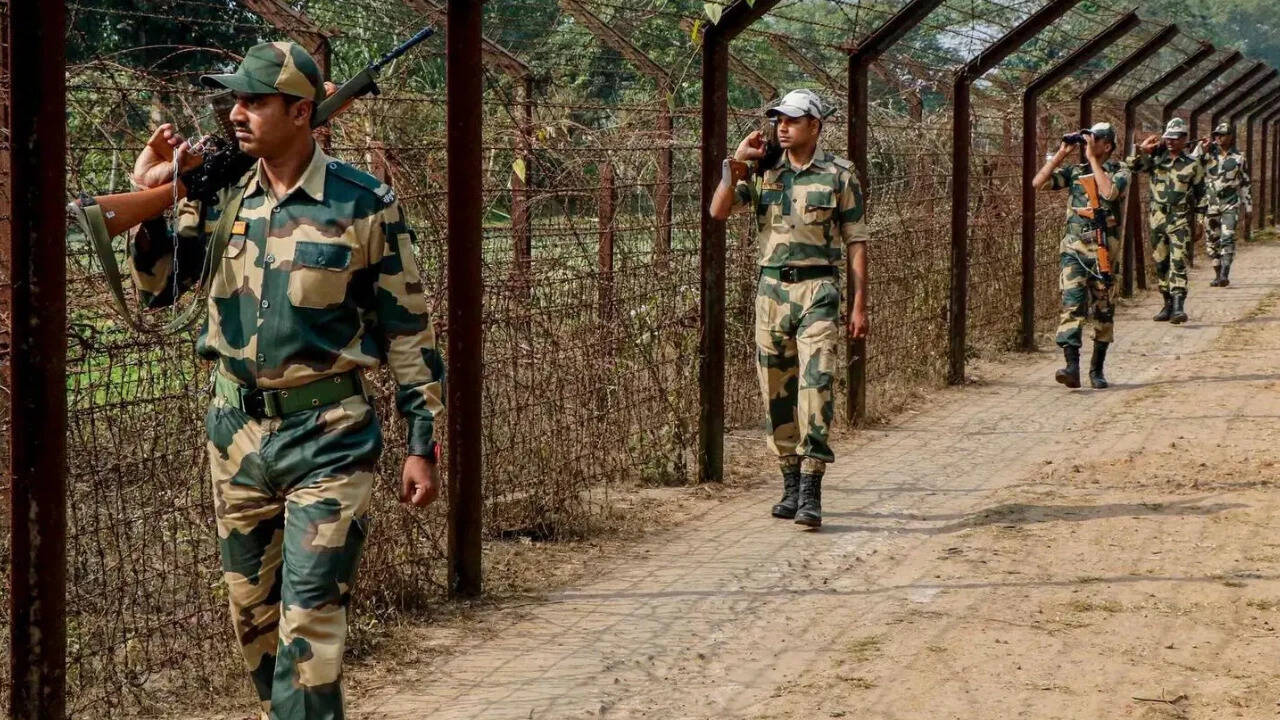
India to Deploy Indigenous Anti-Drone Shield as Part of Smart Border Security Grid
India's home ministry has decided to deploy an indigenously developed anti-drone shield at borders to counter drone-based smuggling of arms, drugs, and ammunition. The shield will be integrated into a broader 'smart border security grid' that includes sensors, smart fencing, and a newly launched Land Port Management System (LPMS) for enhanced surveillance and cargo processing. The initiative aims to address cross-border smuggling operations, particularly in Punjab, while also improving trade efficiency and tourism.
NT Attorney-General Defends Bail Law Reforms Amid Ongoing Violence in Remote Communities
Northern Territory Attorney-General Marie-Clare Boothby is defending bail law reforms introduced after a fatal stabbing in 2024, citing declining crime statistics as evidence of success. The reforms made community protection the paramount consideration in bail decisions, and territory-wide data shows property crime and overall crime rates trending downward. However, recent violent incidents in remote communities and rising sexual assault numbers raise questions about whether the reforms are effectively addressing violence in vulnerable areas.