DOJ Brief Claims Anti-Weaponization Fund Was Politically Neutral; Trump's Recent Comments Contradict That Position
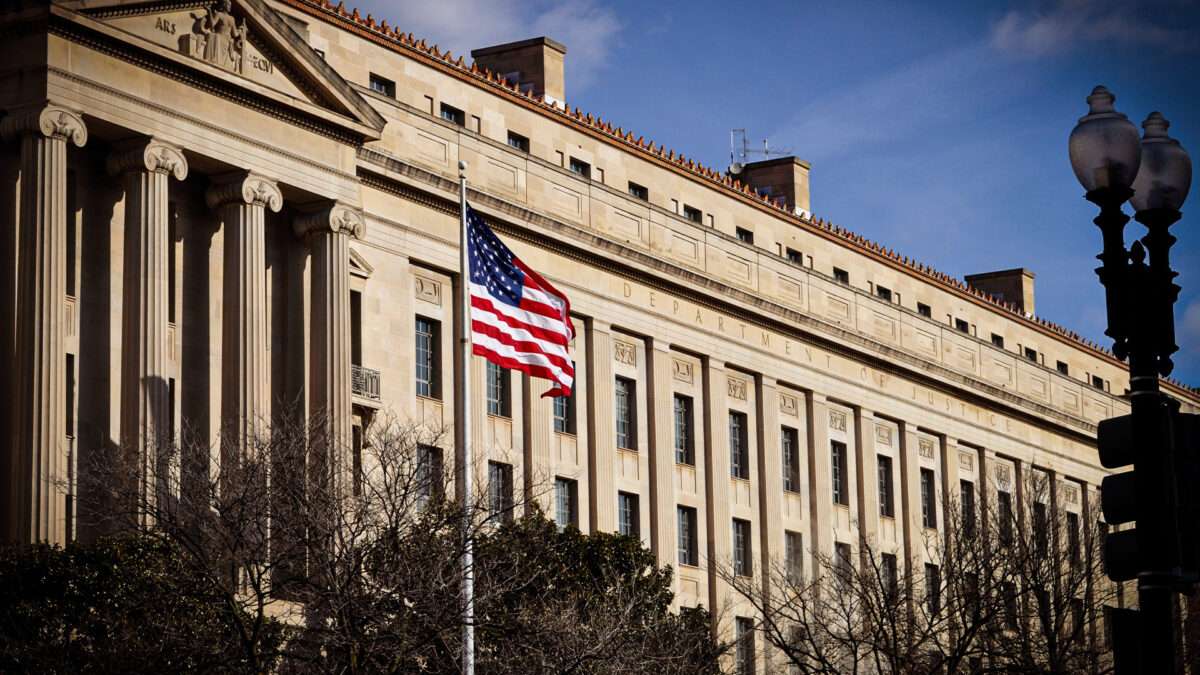
The Department of Justice filed a brief arguing that Trump's proposed Anti-Weaponization Fund is moot because it will not be implemented, and denying claims it was designed to benefit Trump supporters. However, Trump stated in a recent television interview that the fund would benefit people hurt by the "radical-left," directly contradicting the DOJ's legal position. The discrepancy highlights tensions between the administration's official legal arguments and the president's public statements about the fund's intended purpose.
Associate Attorney General Stanley E. Woodward Jr. filed a brief in the lawsuit Floyd v. Department of Justice arguing that the challenge to Trump's Anti-Weaponization Fund is moot because the Justice Department does not plan to implement it and denying that the fund was designed to benefit Trump's supporters while excluding Democrats. However, Trump contradicted these arguments in a Meet the Press interview aired two days after the brief was filed, suggesting the fund might not be abandoned and describing its intended beneficiaries as people harmed by the "radical-left" and the Biden administration. The fund originated from a settlement of Trump's lawsuit against the IRS over contractor Charles Littlejohn's illegal disclosure of Trump's tax returns, a case that faced significant legal challenges including Trump's missed statutory deadline and questions about whether a genuine controversy existed between adverse parties. The controversy prompted bipartisan backlash and led Acting Attorney General Todd Blanche to abandon the initiative two weeks after announcing it. The contrast between the DOJ's official legal position and Trump's public characterization raises questions about the fund's actual purpose and design.
What different sources said
- ReasonRight
A DOJ Brief Preposterously Insists That Trump's 'Anti-Weaponization Fund' Was Politically Neutral
Related
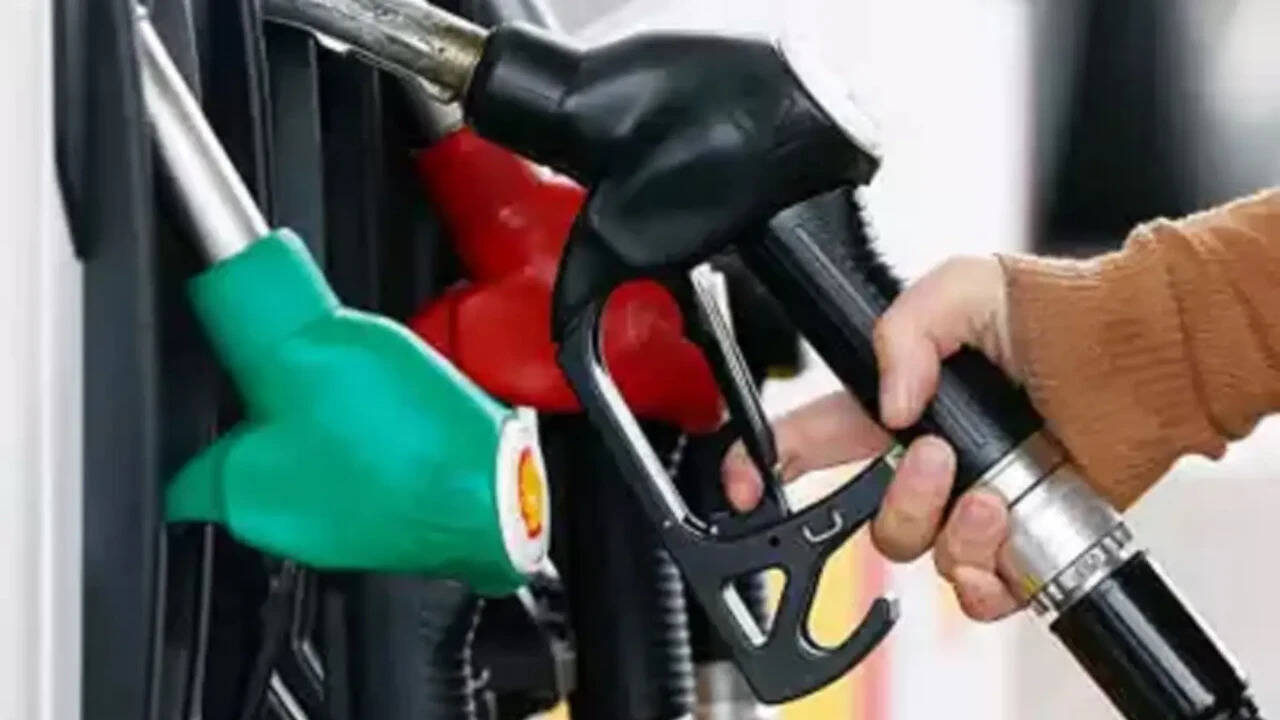
India's Government May Delay Mandatory Higher Ethanol Fuel Blending Amid Engine Damage Concerns
India's government is considering postponing a mandatory increase in ethanol blending beyond E20 (20% ethanol) to avoid damaging engines in older vehicles, according to officials and industry experts. Most vehicles on Indian roads were designed for E10 or are only partially E20-compliant, and higher blending could reduce fuel efficiency by 1-2% or more while raising maintenance costs. The government is instead promoting flex-fuel vehicles that can handle multiple ethanol blends, while preparing standards for E22 through E30 options.
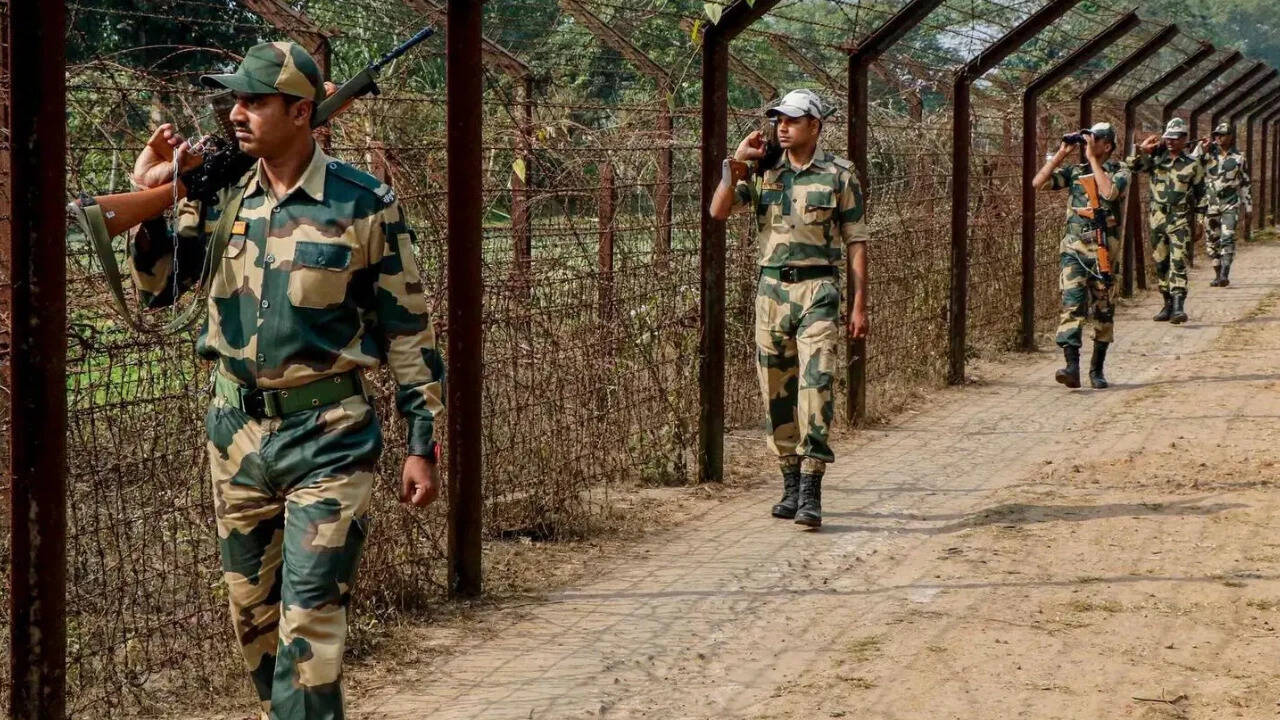
India to Deploy Indigenous Anti-Drone Shield as Part of Smart Border Security Grid
India's home ministry has decided to deploy an indigenously developed anti-drone shield at borders to counter drone-based smuggling of arms, drugs, and ammunition. The shield will be integrated into a broader 'smart border security grid' that includes sensors, smart fencing, and a newly launched Land Port Management System (LPMS) for enhanced surveillance and cargo processing. The initiative aims to address cross-border smuggling operations, particularly in Punjab, while also improving trade efficiency and tourism.
NT Attorney-General Defends Bail Law Reforms Amid Ongoing Violence in Remote Communities
Northern Territory Attorney-General Marie-Clare Boothby is defending bail law reforms introduced after a fatal stabbing in 2024, citing declining crime statistics as evidence of success. The reforms made community protection the paramount consideration in bail decisions, and territory-wide data shows property crime and overall crime rates trending downward. However, recent violent incidents in remote communities and rising sexual assault numbers raise questions about whether the reforms are effectively addressing violence in vulnerable areas.