Rep. Crockett and Alveda King clash at Capitol Hill hearing on SPLC funding
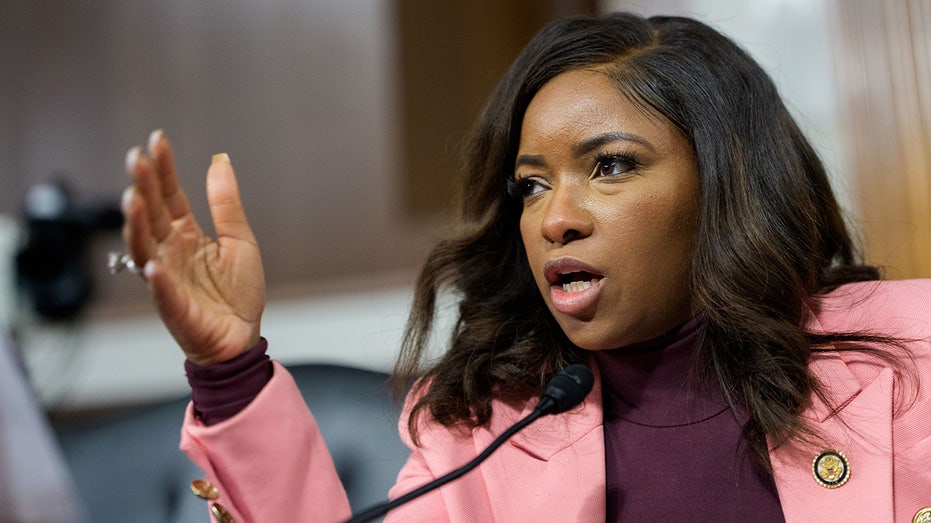
During a House Judiciary Committee hearing on the Southern Poverty Law Center's funding practices, Rep. Jasmine Crockett criticized Republicans for what she called using Martin Luther King Jr.'s niece Alveda King as a 'prop' to deflect from racism allegations. Crockett accused the GOP of being predominantly white and unwelcoming to people of color, while Alveda King responded by asserting her legitimate place in the King family legacy. The exchange highlighted partisan disagreements over civil rights organizations and representation within the Republican Party.
During a House Judiciary Committee hearing examining the Southern Poverty Law Center's funding of hate groups, Rep. Jasmine Crockett delivered a lengthy criticism of Republican committee members, accusing them of using Alveda King—niece of Dr. Martin Luther King Jr.—as a political prop to shield themselves from racism allegations. Crockett argued that the GOP's lack of diversity, which she characterized as predominantly white male leadership, necessitated parading someone with the King name to confuse the public about the civil rights movement's actual legacy and positions. She suggested that Republicans should have invited King's other relatives, Martin Luther King III or Bernice King, whom she implied better understood Dr. King's teachings. Alveda King responded emotionally, asserting her legitimate connection to the King family as the daughter of Rev. A.D. King (Dr. King's brother) and rejecting Crockett's implicit suggestion that she was a 'bastard' to the family legacy. The hearing also featured GOP Rep. Wesley Hunt, a Black Texan, questioning SPLC leadership, and included discussion of Trump's 2017 Charlottesville comments, which Crockett characterized as a 'debunked assertion' while Fox News's framing suggested context about Trump's later clarifications.
What's missing
The specific legislative or investigative purpose of the hearing beyond examining SPLC funding practices is not clearly established. Additionally, the full context of Bryan Fair's (SPLC leader) testimony and responses to committee questions is not provided, limiting understanding of what prompted Crockett's broader critique.
What different sources said
- Fox NewsRight
WATCH: Hearing turmoil as Jasmine Crockett unloads on MLK's niece in wild racially-charged rant
Related

India's Government May Delay Mandatory Higher Ethanol Fuel Blending Amid Engine Damage Concerns
India's government is considering postponing a mandatory increase in ethanol blending beyond E20 (20% ethanol) to avoid damaging engines in older vehicles, according to officials and industry experts. Most vehicles on Indian roads were designed for E10 or are only partially E20-compliant, and higher blending could reduce fuel efficiency by 1-2% or more while raising maintenance costs. The government is instead promoting flex-fuel vehicles that can handle multiple ethanol blends, while preparing standards for E22 through E30 options.
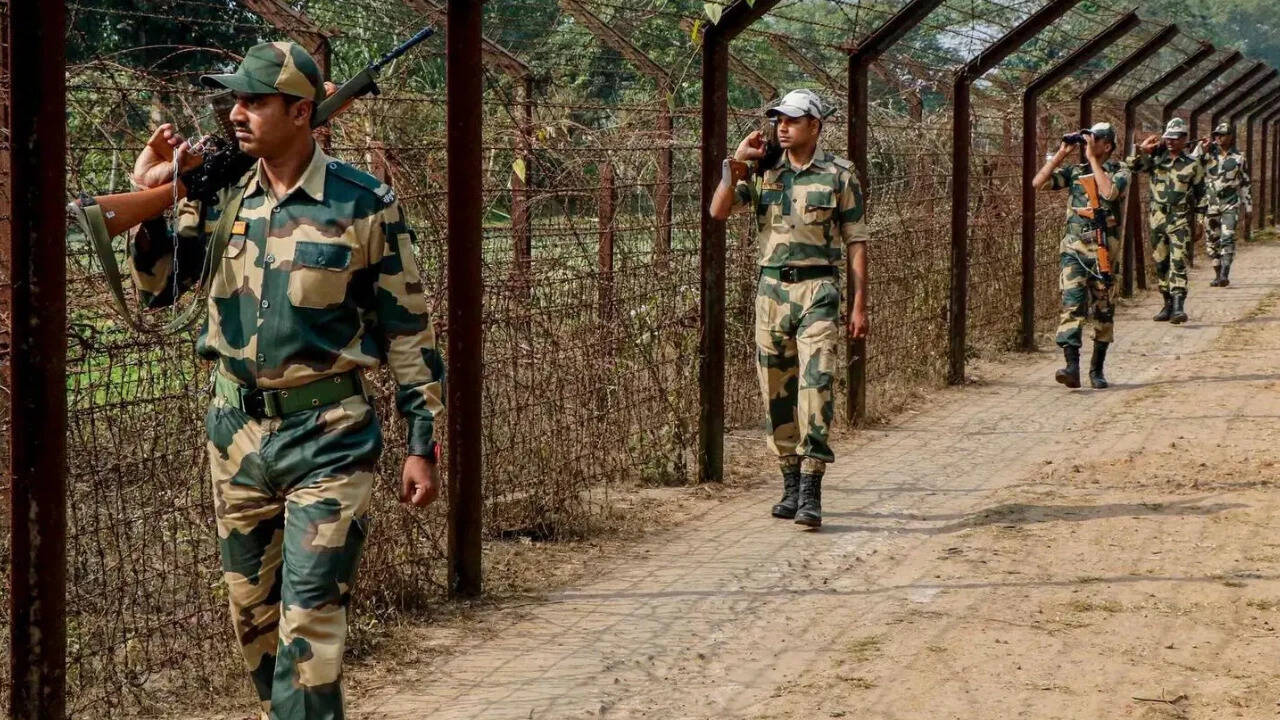
India to Deploy Indigenous Anti-Drone Shield as Part of Smart Border Security Grid
India's home ministry has decided to deploy an indigenously developed anti-drone shield at borders to counter drone-based smuggling of arms, drugs, and ammunition. The shield will be integrated into a broader 'smart border security grid' that includes sensors, smart fencing, and a newly launched Land Port Management System (LPMS) for enhanced surveillance and cargo processing. The initiative aims to address cross-border smuggling operations, particularly in Punjab, while also improving trade efficiency and tourism.
NT Attorney-General Defends Bail Law Reforms Amid Ongoing Violence in Remote Communities
Northern Territory Attorney-General Marie-Clare Boothby is defending bail law reforms introduced after a fatal stabbing in 2024, citing declining crime statistics as evidence of success. The reforms made community protection the paramount consideration in bail decisions, and territory-wide data shows property crime and overall crime rates trending downward. However, recent violent incidents in remote communities and rising sexual assault numbers raise questions about whether the reforms are effectively addressing violence in vulnerable areas.