Supreme Court's Callais Decision Sparks Court-Packing Debate Among Democrats
The Supreme Court's Louisiana v. Callais decision, which restricts use of the Voting Rights Act to create majority-minority congressional districts, has prompted Democratic calls for expanding the Court from nine to thirteen justices. The ruling has drawn criticism from progressive lawmakers including Rep. Ro Khanna, House Minority Leader Hakeem Jeffries, and Vice President Kamala Harris. A legal scholar argues that while the Callais decision has flaws, court-packing remains a dangerous remedy that could undermine judicial independence and constitutional protections.
The Supreme Court's recent Louisiana v. Callais ruling, which bars nearly all use of the Voting Rights Act to create majority-minority congressional districts, has reignited debate over court-packing among Democrats. Several prominent Democratic figures, including Rep. Ro Khanna and House Minority Leader Hakeem Jeffries, have called for expanding the Court to thirteen justices in response. A legal commentator acknowledges that the Callais decision contains flaws and that the conservative majority has made errors in other cases, such as the Trump presidential immunity decision. However, the author argues that court-packing would create dangerous precedents that could ultimately harm judicial independence and constitutional protections, particularly for minority groups. The article suggests alternative remedies such as banning gerrymandering, implementing term limits for justices, and establishing an ethics code for the Court.
What's missing
The article does not provide details about the specific holdings or reasoning of the Louisiana v. Callais decision itself, nor does it explain what provisions of the Voting Rights Act were affected or how the ruling changes existing law regarding majority-minority districts.
What different sources said
- ReasonRight
My New Lawfare Article on "Why Callais Doesn't Justify Court-Packing"
Related
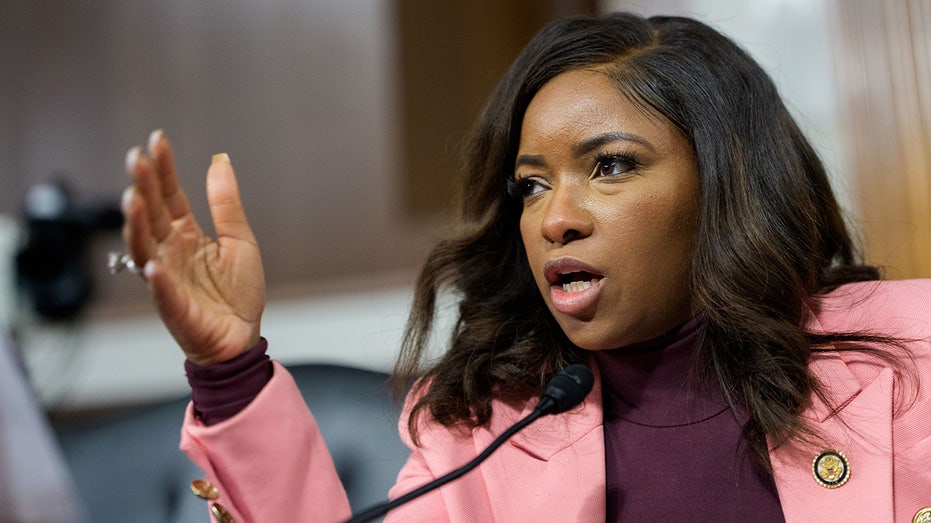
Rep. Crockett and Alveda King clash at Capitol Hill hearing on SPLC funding
During a House Judiciary Committee hearing on the Southern Poverty Law Center's funding practices, Rep. Jasmine Crockett criticized Republicans for what she called using Martin Luther King Jr.'s niece Alveda King as a 'prop' to deflect from racism allegations. Crockett accused the GOP of being predominantly white and unwelcoming to people of color, while Alveda King responded by asserting her legitimate place in the King family legacy. The exchange highlighted partisan disagreements over civil rights organizations and representation within the Republican Party.
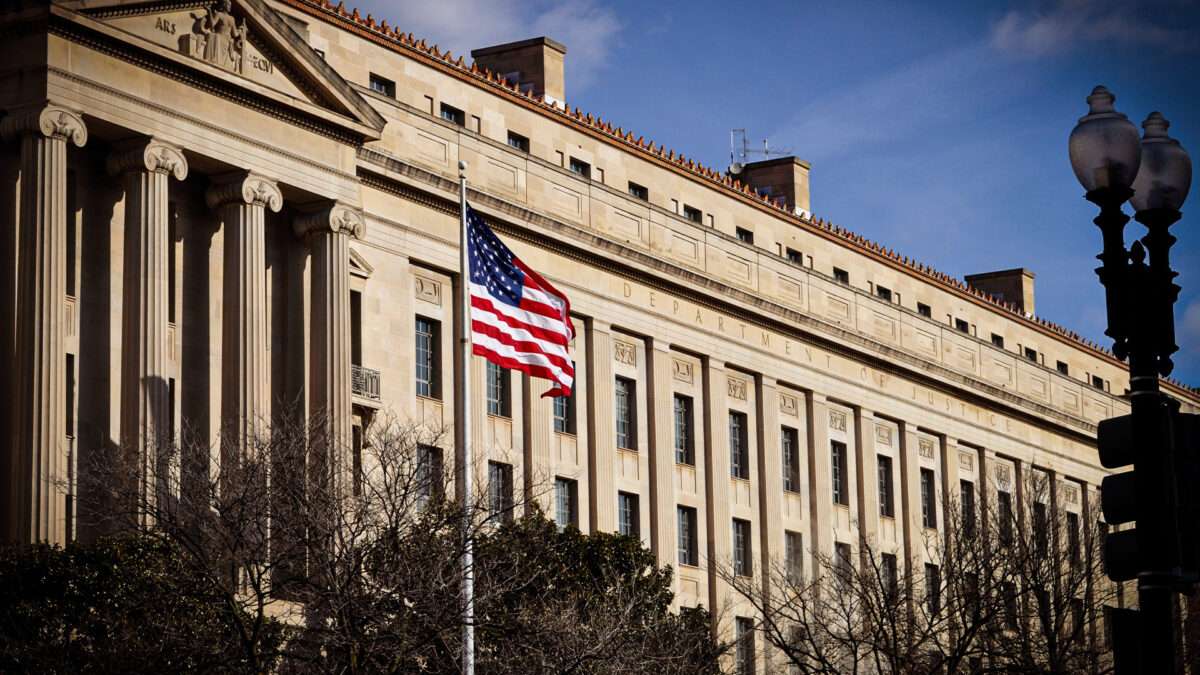
DOJ Brief Claims Anti-Weaponization Fund Was Politically Neutral; Trump's Recent Comments Contradict That Position
The Department of Justice filed a brief arguing that Trump's proposed Anti-Weaponization Fund is moot because it will not be implemented, and denying claims it was designed to benefit Trump supporters. However, Trump stated in a recent television interview that the fund would benefit people hurt by the "radical-left," directly contradicting the DOJ's legal position. The discrepancy highlights tensions between the administration's official legal arguments and the president's public statements about the fund's intended purpose.
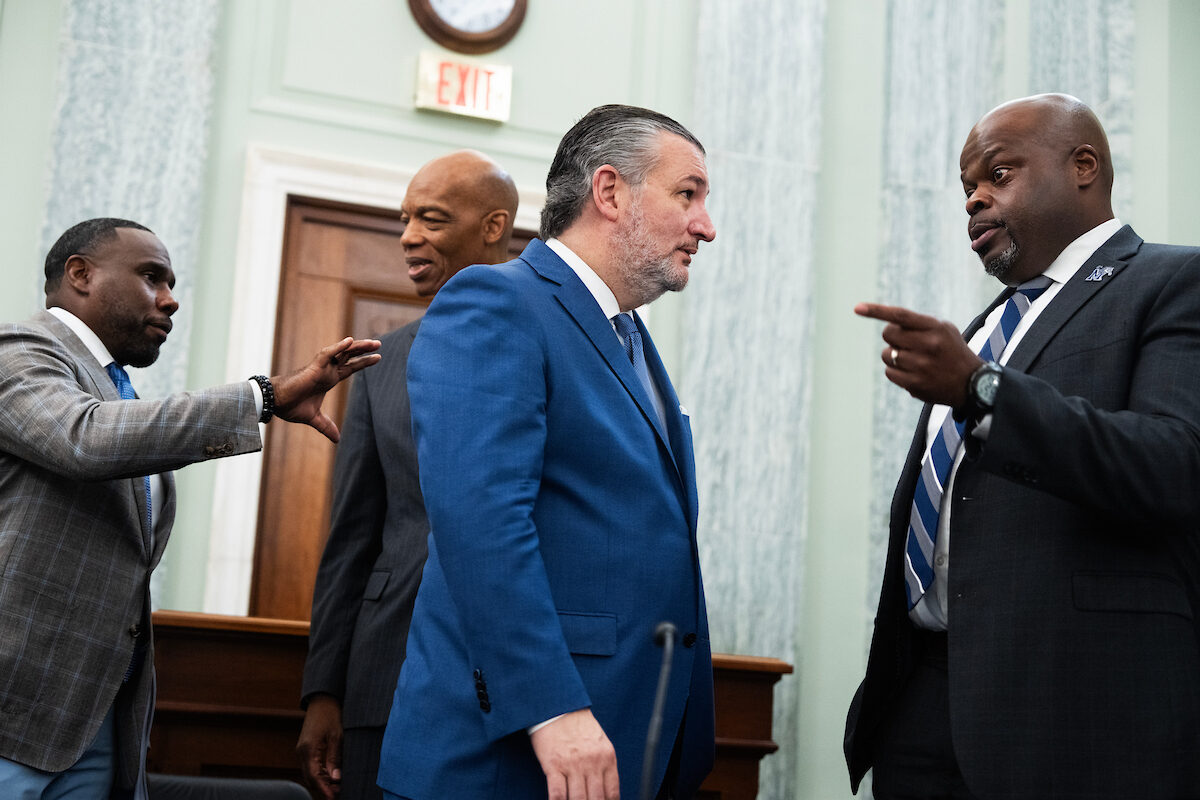
Bipartisan College Sports Reform Bill Creates Unusual Political Alliances
A Senate bill called the Protect College Sports Act, co-authored by Republican Ted Cruz and Democrat Maria Cantwell, is advancing with backing from President Trump and support from rival college football coaches. The legislation aims to regulate Name, Image, and Likeness (NIL) payments and restore order to college athletics amid skyrocketing costs and roster instability. The bill has created unusual cross-party and regional alliances, though it faces opposition from some conservatives and progressives, as well as divisions among conference leaders.