Shaquille O'Neal Reveals Use of GLP-1 Drug Zepbound for Sleep Apnea and Weight Management

Shaquille O'Neal disclosed that he has been taking the GLP-1 drug Zepbound to address obstructive sleep apnea, a condition he was diagnosed with in 2011 after retiring from the NBA. GLP-1 medications were originally developed for Type 2 diabetes and sleep apnea but have gained popularity as weight-loss drugs among celebrities and athletes. O'Neal's disclosure adds to a growing trend of high-profile athletes publicly using these medications for health and wellness purposes.
Hall of Famer Shaquille O'Neal revealed in a GQ interview that he uses Zepbound, a GLP-1 drug, to manage obstructive sleep apnea (OSA) and improve his overall health in retirement. O'Neal was diagnosed with OSA in 2011 shortly after leaving professional basketball and experienced symptoms including snoring, daytime fatigue, and difficulty concentrating. He stated he chose to share his experience to raise awareness about the often-overlooked condition and to help others facing similar challenges. Beyond treating sleep apnea, O'Neal cited improvements in energy, sleep quality, and mental sharpness as additional benefits. He emphasized that medication is part of a broader health regimen that includes proper nutrition and regular physical activity, particularly walking. Other notable athletes including Serena Williams and Charles Barkley have similarly promoted GLP-1 use, contributing to the growing visibility of these drugs beyond their original medical purposes.
What different sources said
- New York PostRight
Shaq reveals why he started taking weight-loss drug for ‘overlooked condition’
Related

Study Links Childhood Smacking to Lower GCSE Grades and Risky Behavior
A University College London study of 19,000 UK children found that those who were smacked in early childhood were 5.7 percentage points more likely to fail GCSE exams and 33% more likely to engage in risky behaviors at age 14. The research has prompted renewed calls for England and Northern Ireland to ban physical punishment, following Scotland (2020) and Wales (2022). The findings matter because they contribute to the evidence base on child discipline methods, though experts debate whether correlation proves causation and whether legal bans are the appropriate policy response.
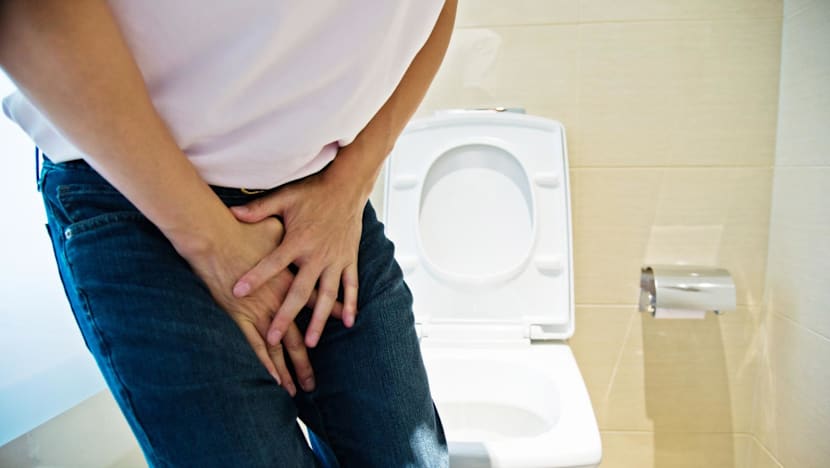
How Holding Your Urine Affects Bladder Health: What Urologists Say
Channel NewsAsia consulted multiple urologists to explain bladder capacity, urine production timelines, and potential health effects of regularly delaying bathroom visits. A healthy adult bladder typically holds 300-500ml of urine, with the urge to urinate triggered around this volume, though individual variation is significant. Understanding these mechanisms matters for people experiencing incontinence or concerned about long-term bladder health from frequent urine retention.

Managing Oily Skin and Acne During Puberty: A Dermatologist's Guide for Tweens
Hormonal changes during puberty, beginning in the tween years (ages 8-12), trigger increased oil production and acne affecting 90-96% of teenagers. A dermatologist recommends a simple three-step skincare routine with a gentle cleanser, lightweight moisturizer, and SPF50+ sunscreen, along with ingredients like niacinamide and salicylic acid. Establishing healthy skincare habits early, combined with attention to hygiene, diet, sleep, and stress management, can help prevent and manage these common skin concerns.