How Holding Your Urine Affects Bladder Health: What Urologists Say
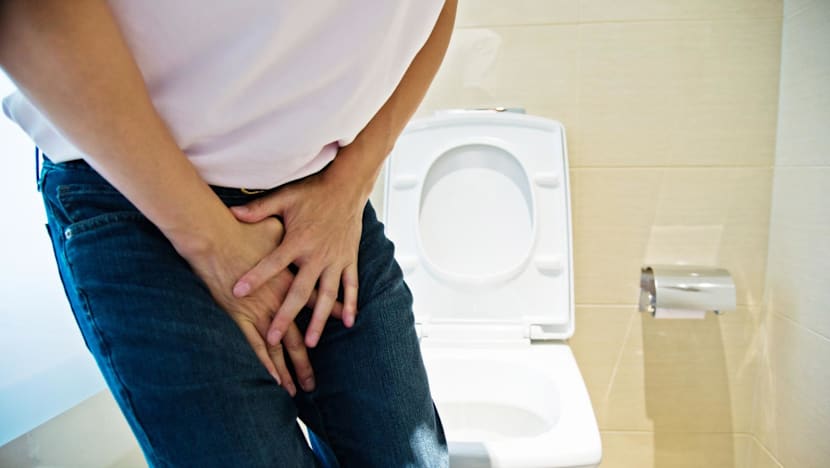
Channel NewsAsia consulted multiple urologists to explain bladder capacity, urine production timelines, and potential health effects of regularly delaying bathroom visits. A healthy adult bladder typically holds 300-500ml of urine, with the urge to urinate triggered around this volume, though individual variation is significant. Understanding these mechanisms matters for people experiencing incontinence or concerned about long-term bladder health from frequent urine retention.
According to urologists interviewed by Channel NewsAsia, a normal adult bladder can comfortably hold approximately 300-500ml of urine, though some individuals may reach 600-800ml before significant discomfort develops. The initial urge to urinate typically begins at 200-300ml, with a stronger "got to go" feeling at 300-400ml. After drinking water, it takes 15-30 minutes for urine to appear in healthy, well-hydrated individuals, though dehydration can extend this to 2 hours. The article notes that men may have slightly larger average bladder capacities than women due to body size and anatomical differences like urethral length and prostate structure. Several factors influence urine production speed, including consumption patterns (gulping versus sipping), beverage type (caffeinated drinks and alcohol produce urine faster than milk-based or sugary drinks), and physical activity levels.
What's missing
The article does not clearly address the core question posed in its headline—whether regularly holding urine actually causes long-term bladder damage or harm. While it provides detailed information on bladder capacity and urine production, it does not present urologists' conclusions about potential negative health consequences of chronic urine retention, such as increased infection risk, bladder dysfunction, or other complications.
What different sources said
- Channel NewsAsiaCenter
Does holding your pee really harm your bladder? What can go wrong?
Related
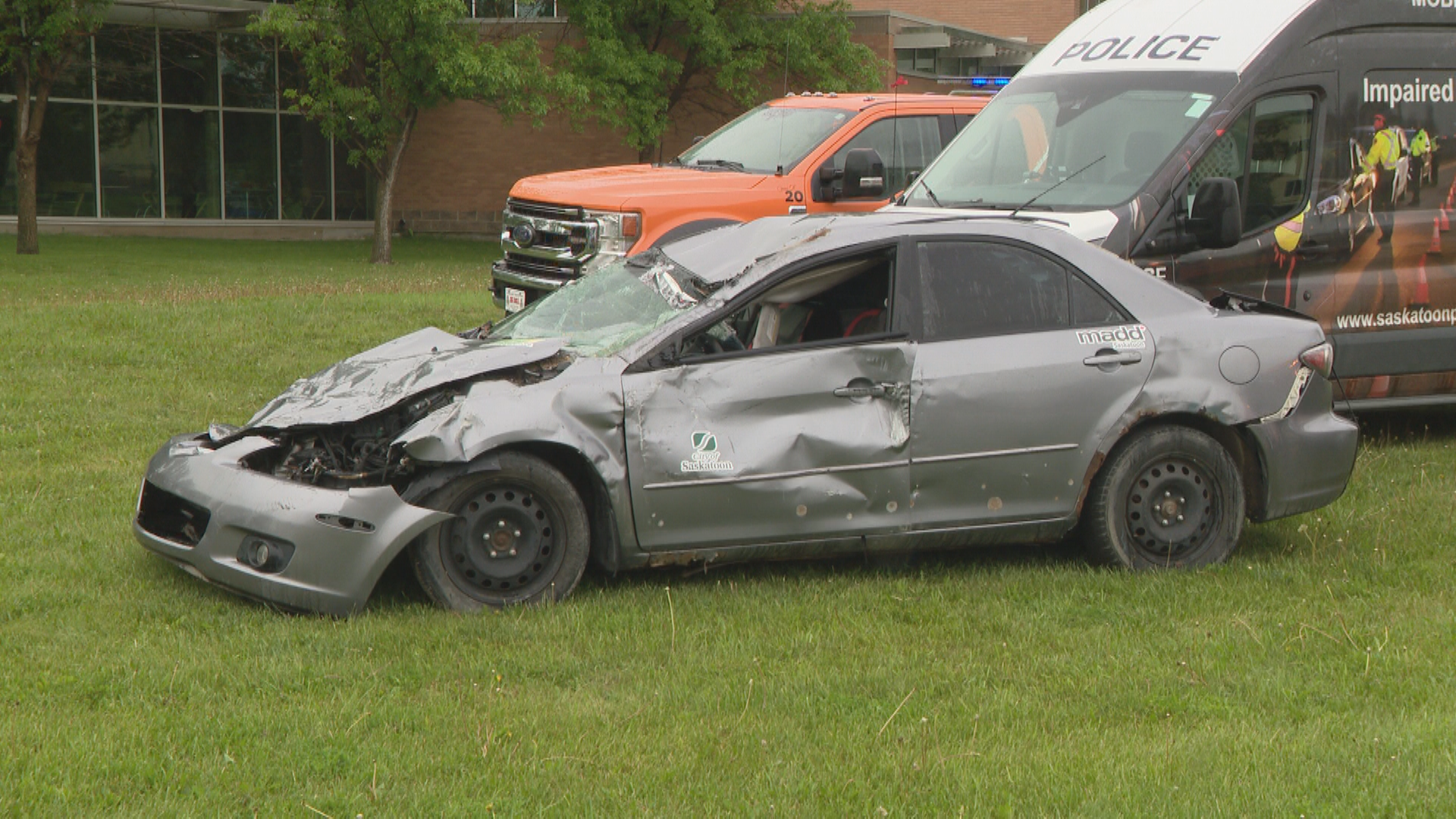
MADD Saskatoon Launches Crashed Car Awareness Campaign to Combat Impaired Driving
Mothers Against Drunk Driving (MADD) Saskatoon is displaying a smashed vehicle at five high-visibility locations across the city from June through September to raise awareness about the dangers of impaired driving. Saskatchewan averages 30 deaths per year from impaired driving, and police report increasing numbers of impaired drivers on roads. The campaign aims to encourage personal responsibility and prompt drivers to plan safe transportation alternatives.
Queensland Palliative Care Facility Avoids Closure After $360,000 in Last-Minute Donations
Fraser Coast Hospice, a regional Queensland end-of-life care facility facing voluntary administration, has been saved after receiving $360,000 in donations from two sources. The six-bed facility, which serves as the only free palliative care provider in the region, requires $720,000 annually to operate. While the immediate crisis has been averted, board leadership and community members emphasize the need for sustained long-term funding to ensure the hospice's viability.

Study Links Childhood Smacking to Lower GCSE Grades and Risky Behavior
A University College London study of 19,000 UK children found that those who were smacked in early childhood were 5.7 percentage points more likely to fail GCSE exams and 33% more likely to engage in risky behaviors at age 14. The research has prompted renewed calls for England and Northern Ireland to ban physical punishment, following Scotland (2020) and Wales (2022). The findings matter because they contribute to the evidence base on child discipline methods, though experts debate whether correlation proves causation and whether legal bans are the appropriate policy response.