Managing Oily Skin and Acne During Puberty: A Dermatologist's Guide for Tweens

Hormonal changes during puberty, beginning in the tween years (ages 8-12), trigger increased oil production and acne affecting 90-96% of teenagers. A dermatologist recommends a simple three-step skincare routine with a gentle cleanser, lightweight moisturizer, and SPF50+ sunscreen, along with ingredients like niacinamide and salicylic acid. Establishing healthy skincare habits early, combined with attention to hygiene, diet, sleep, and stress management, can help prevent and manage these common skin concerns.
As children enter puberty, hormonal changes—particularly the release of androgens—stimulate oil glands to enlarge and produce excess sebum, beginning in tweens and intensifying in teenage years. This increased oil production can clog pores and combine with dead skin cells and bacteria to cause blackheads, whiteheads, and acne. According to dermatologist Dr. Stephanie Ho, acne affects 90-96% of teenagers to some degree, with girls typically experiencing changes earlier (ages 11-13) than boys (ages 13-14). Dr. Ho recommends a simple, consistent skincare routine using three basic products: a gentle cleanser, lightweight moisturizer, and broad-spectrum sunscreen with SPF50 or higher. For managing acne, over-the-counter ingredients such as niacinamide, azelaic acid, benzoyl peroxide, and salicylic acid can be beneficial when introduced gradually. Beyond skincare products, factors including hygiene habits, face-touching, sweat exposure, cosmetics, diet, sleep, and stress levels can influence acne severity, making a holistic approach to tween skin health important.
What different sources said
- Channel NewsAsiaCenter
Tween skincare 101: How to manage oily skin and acne during puberty
Related
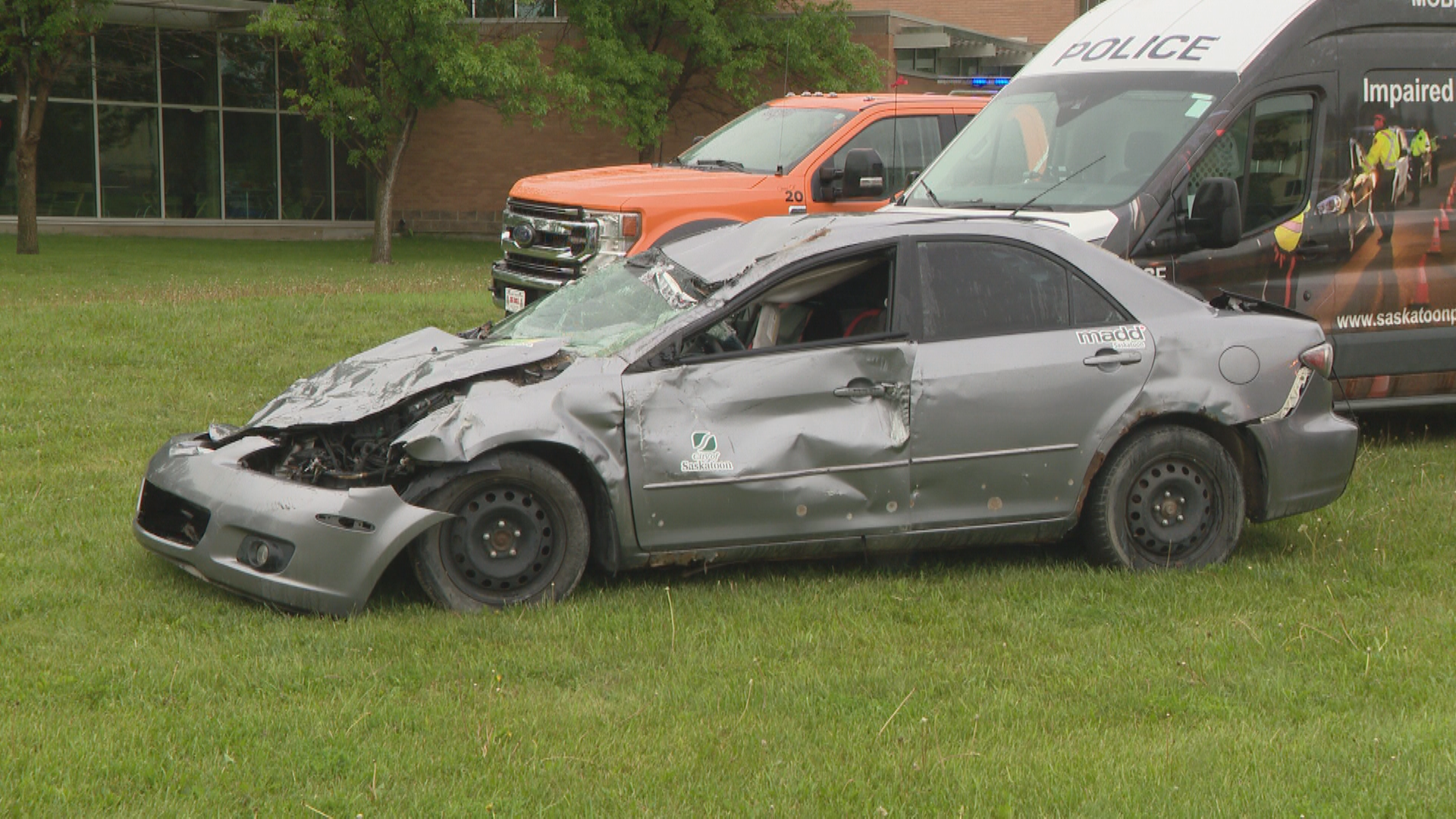
MADD Saskatoon Launches Crashed Car Awareness Campaign to Combat Impaired Driving
Mothers Against Drunk Driving (MADD) Saskatoon is displaying a smashed vehicle at five high-visibility locations across the city from June through September to raise awareness about the dangers of impaired driving. Saskatchewan averages 30 deaths per year from impaired driving, and police report increasing numbers of impaired drivers on roads. The campaign aims to encourage personal responsibility and prompt drivers to plan safe transportation alternatives.
Queensland Palliative Care Facility Avoids Closure After $360,000 in Last-Minute Donations
Fraser Coast Hospice, a regional Queensland end-of-life care facility facing voluntary administration, has been saved after receiving $360,000 in donations from two sources. The six-bed facility, which serves as the only free palliative care provider in the region, requires $720,000 annually to operate. While the immediate crisis has been averted, board leadership and community members emphasize the need for sustained long-term funding to ensure the hospice's viability.

Study Links Childhood Smacking to Lower GCSE Grades and Risky Behavior
A University College London study of 19,000 UK children found that those who were smacked in early childhood were 5.7 percentage points more likely to fail GCSE exams and 33% more likely to engage in risky behaviors at age 14. The research has prompted renewed calls for England and Northern Ireland to ban physical punishment, following Scotland (2020) and Wales (2022). The findings matter because they contribute to the evidence base on child discipline methods, though experts debate whether correlation proves causation and whether legal bans are the appropriate policy response.