Pakistan Government Extends Dialogue Offer to Opposition Amid Boycott Threats
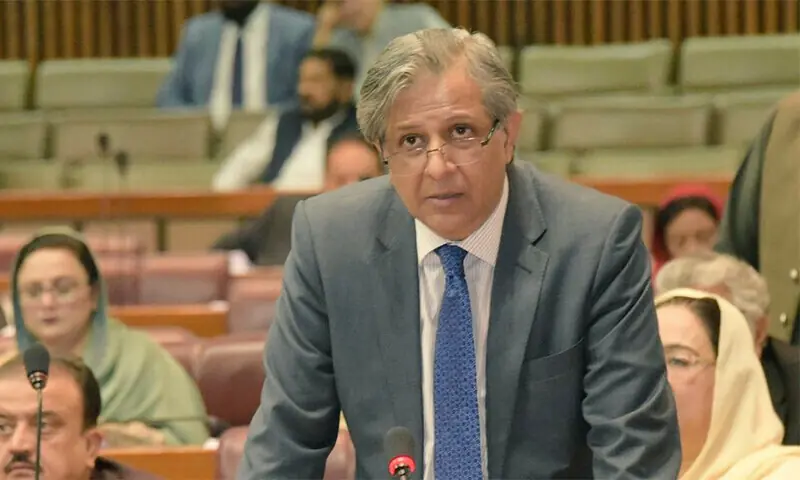
Pakistan's government offered dialogue to the opposition on national issues as Opposition Leader Mahmood Khan Achakzai threatened a parliamentary boycott over unfulfilled promises. The government defended its positions on Imran Khan's detention, Gilgit-Baltistan elections, and support for Pakistani prisoners abroad. The opposition has previously ended boycotts at government request but remains dissatisfied with the administration's performance.
During a National Assembly session, Law Minister Azam Nazeer Tarar invited the opposition to consult with Prime Minister Shehbaz Sharif on national issues, extending what the government characterized as an olive branch. Opposition Leader Achakzai criticized the government's failure to deliver on commitments and noted that the opposition had previously ended a boycott to demonstrate unity before a Chinese delegation. Key disputes center on access for Imran Khan to meet party leaders—which the government says the Constitution prohibits for convicted individuals—and allegations of rigging in Gilgit-Baltistan elections, which the government asked the opposition to substantiate. The government also addressed concerns about Pakistani prisoners abroad, claiming missions provide legal and financial support, and denied allegations of selective action against Pakistanis in the UAE.
What's missing
The specific unfulfilled promises referenced by Achakzai are not detailed in the article. Additionally, the nature and timeline of the previous boycott mentioned are not fully explained, nor are the specific demands the opposition made before agreeing to end it.
What different sources said
- DawnCenter
Govt extends olive branch to opposition once again as Achakzai threatens boycott
Related
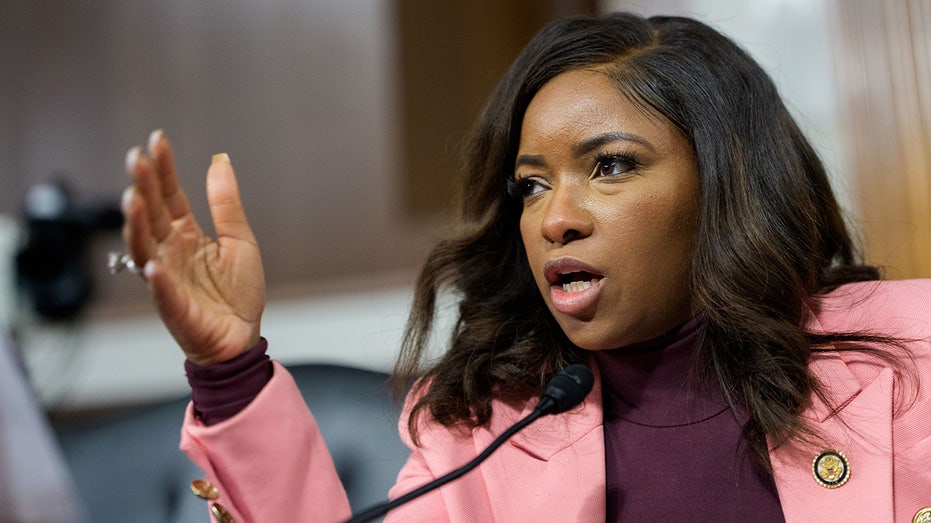
Rep. Crockett and Alveda King clash at Capitol Hill hearing on SPLC funding
During a House Judiciary Committee hearing on the Southern Poverty Law Center's funding practices, Rep. Jasmine Crockett criticized Republicans for what she called using Martin Luther King Jr.'s niece Alveda King as a 'prop' to deflect from racism allegations. Crockett accused the GOP of being predominantly white and unwelcoming to people of color, while Alveda King responded by asserting her legitimate place in the King family legacy. The exchange highlighted partisan disagreements over civil rights organizations and representation within the Republican Party.
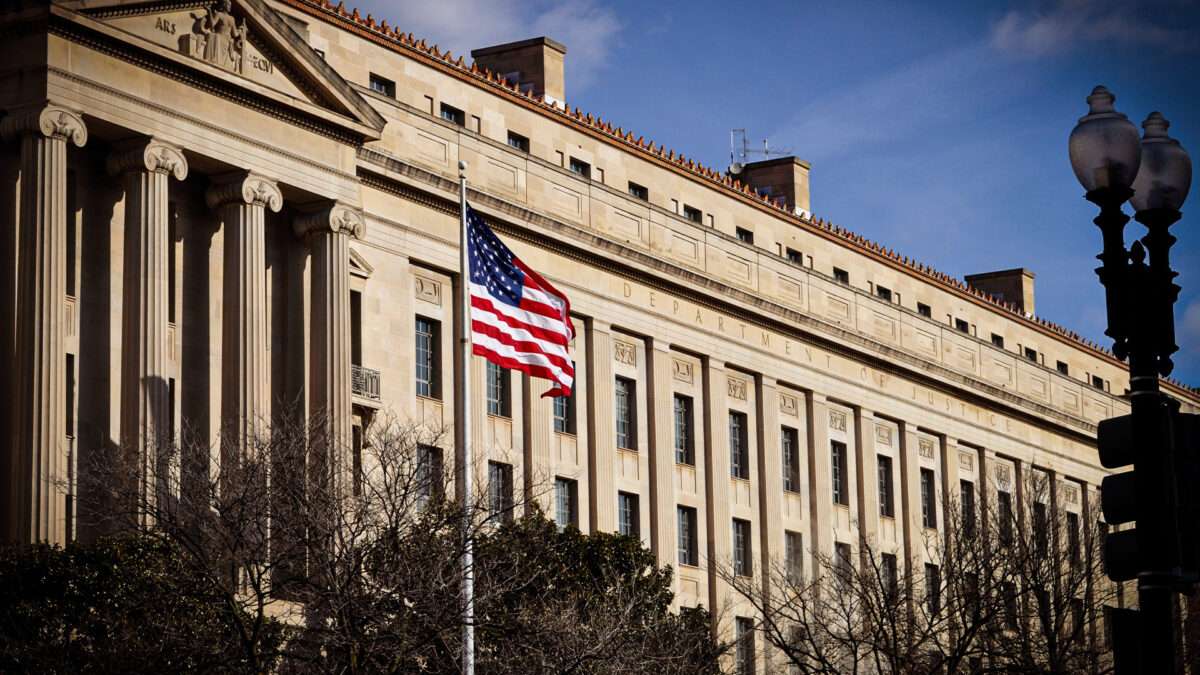
DOJ Brief Claims Anti-Weaponization Fund Was Politically Neutral; Trump's Recent Comments Contradict That Position
The Department of Justice filed a brief arguing that Trump's proposed Anti-Weaponization Fund is moot because it will not be implemented, and denying claims it was designed to benefit Trump supporters. However, Trump stated in a recent television interview that the fund would benefit people hurt by the "radical-left," directly contradicting the DOJ's legal position. The discrepancy highlights tensions between the administration's official legal arguments and the president's public statements about the fund's intended purpose.
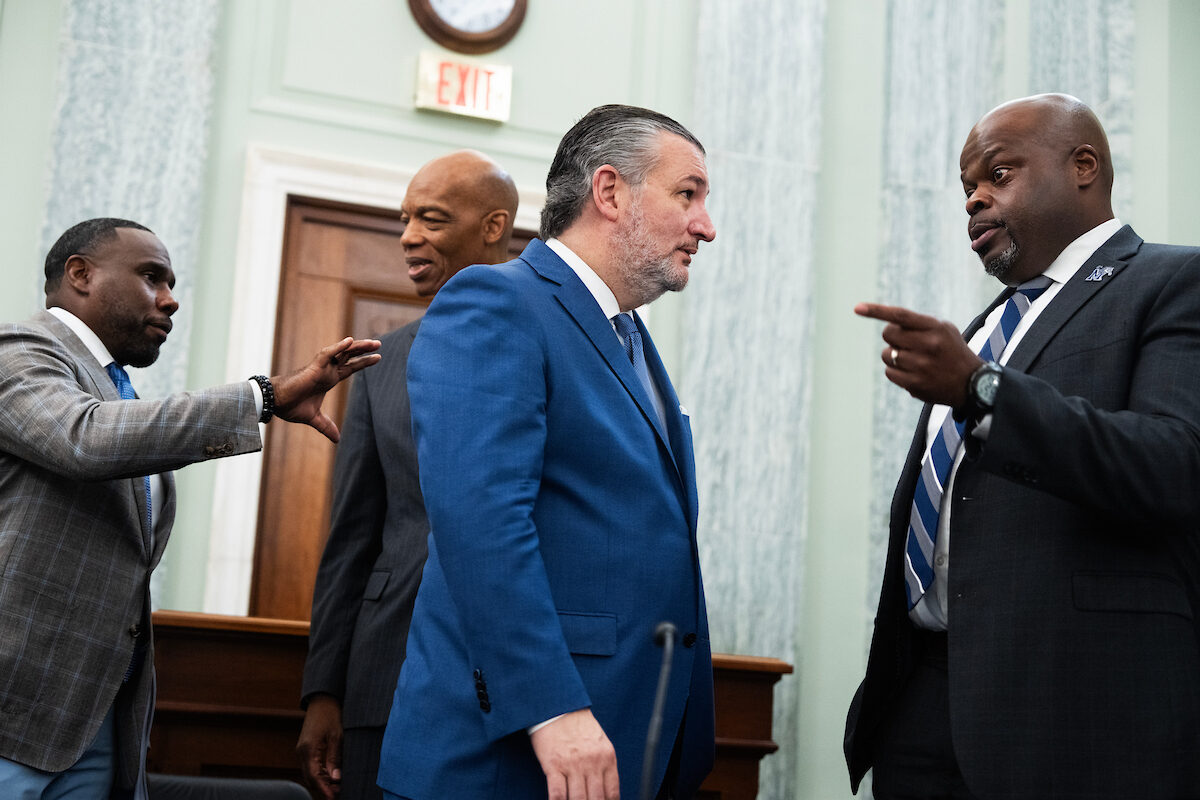
Bipartisan College Sports Reform Bill Creates Unusual Political Alliances
A Senate bill called the Protect College Sports Act, co-authored by Republican Ted Cruz and Democrat Maria Cantwell, is advancing with backing from President Trump and support from rival college football coaches. The legislation aims to regulate Name, Image, and Likeness (NIL) payments and restore order to college athletics amid skyrocketing costs and roster instability. The bill has created unusual cross-party and regional alliances, though it faces opposition from some conservatives and progressives, as well as divisions among conference leaders.