One Nation Party's Financial Reports Show Over $1 Million in Missing or Worthless Assets, Expert Analysis Reveals
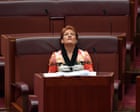
An analysis of Pauline Hanson's One Nation party's financial reports from 2016 to 2022 has revealed over $1 million in missing and worthless assets, with accounting experts criticizing the filings as "incredibly sloppy" and unprofessional. The party has repeatedly failed to meet legal obligations for incorporated associations, including late or missing annual filings and unusual accounting entries that don't align with typical business practices. The findings raise questions about the party's financial management capability and fitness for government.
Guardian Australia obtained and analyzed six years of One Nation's financial reports filed with Queensland's Office of Fair Trading, with assessment from Matthew Pinnuck, a University of Melbourne accounting professor and former KPMG audit manager. The analysis revealed numerous compliance failures, including missed annual general meetings, late filings, and the use of an account manager to sign director declarations. Most significantly, Pinnuck identified highly unusual accounting entries: in 2021, the party reported purchasing $575,710 in property and equipment while selling $492,491 worth, yet the balance sheet showed only $93,000 in total assets—a discrepancy Pinnuck described as difficult to explain. Additionally, the party wrote off over $100,000 in office equipment as worthless in the same year of purchase, contrary to standard accounting practices that typically depreciate such assets over 5-10 years. The party has posted significant losses in three of the last four reported years, with a $1.05 million deficit in 2022. Pinnuck noted the party's choice to report as a "special purpose entity" may constitute a breach of the Corporations Act, as this reduced-disclosure method is typically reserved for small businesses and inappropriate for a politically significant organization.
What's missing
One Nation's response to these specific findings and allegations is not included in the provided article excerpt. Additionally, the article does not clarify whether any regulatory investigation or enforcement action has been initiated by the Office of Fair Trading or other authorities in response to these compliance failures.
What different sources said
One Nation’s ‘incredibly sloppy’ financial reports reveal more than $1m in missing or worthless assets
Related
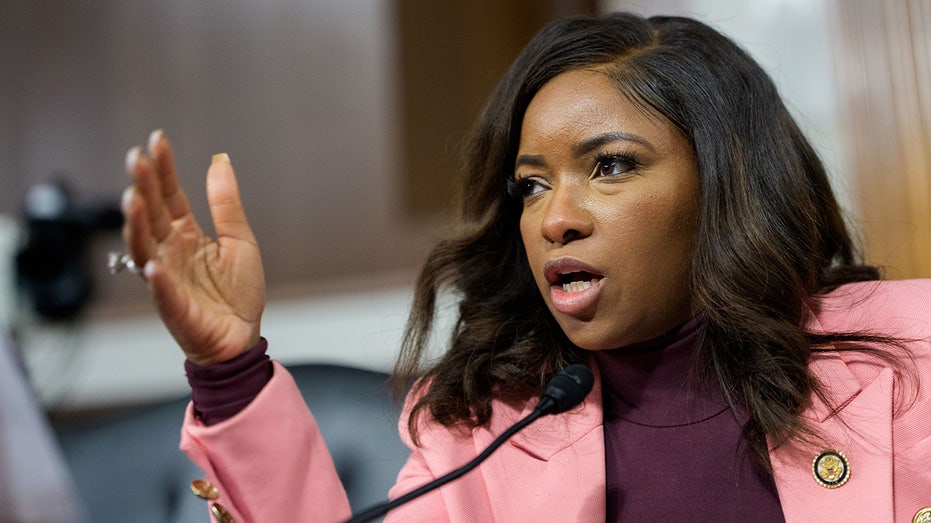
Rep. Crockett and Alveda King clash at Capitol Hill hearing on SPLC funding
During a House Judiciary Committee hearing on the Southern Poverty Law Center's funding practices, Rep. Jasmine Crockett criticized Republicans for what she called using Martin Luther King Jr.'s niece Alveda King as a 'prop' to deflect from racism allegations. Crockett accused the GOP of being predominantly white and unwelcoming to people of color, while Alveda King responded by asserting her legitimate place in the King family legacy. The exchange highlighted partisan disagreements over civil rights organizations and representation within the Republican Party.
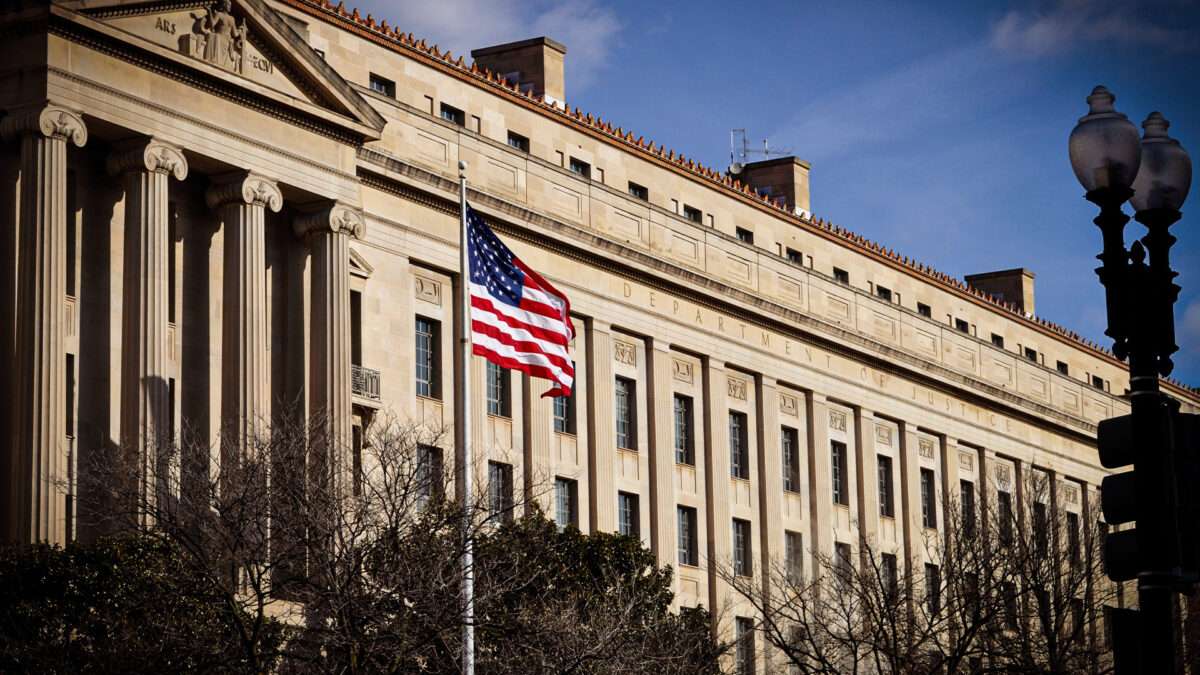
DOJ Brief Claims Anti-Weaponization Fund Was Politically Neutral; Trump's Recent Comments Contradict That Position
The Department of Justice filed a brief arguing that Trump's proposed Anti-Weaponization Fund is moot because it will not be implemented, and denying claims it was designed to benefit Trump supporters. However, Trump stated in a recent television interview that the fund would benefit people hurt by the "radical-left," directly contradicting the DOJ's legal position. The discrepancy highlights tensions between the administration's official legal arguments and the president's public statements about the fund's intended purpose.
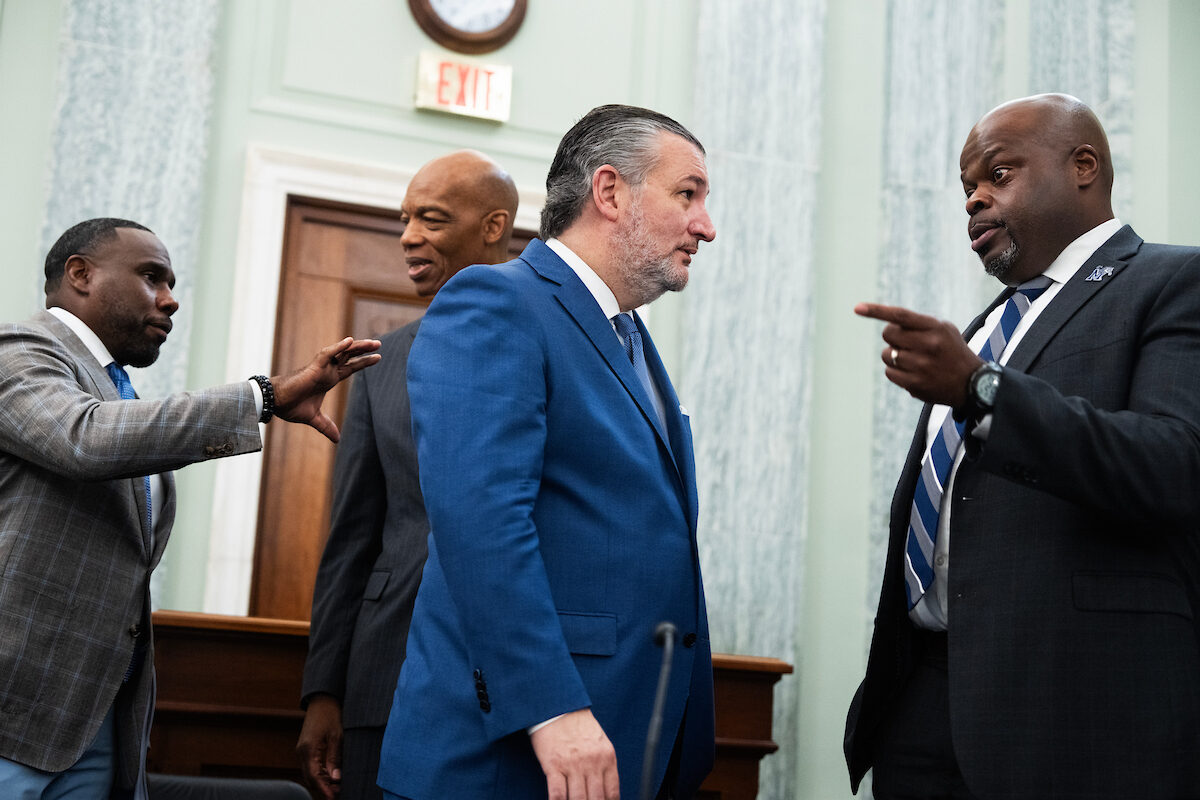
Bipartisan College Sports Reform Bill Creates Unusual Political Alliances
A Senate bill called the Protect College Sports Act, co-authored by Republican Ted Cruz and Democrat Maria Cantwell, is advancing with backing from President Trump and support from rival college football coaches. The legislation aims to regulate Name, Image, and Likeness (NIL) payments and restore order to college athletics amid skyrocketing costs and roster instability. The bill has created unusual cross-party and regional alliances, though it faces opposition from some conservatives and progressives, as well as divisions among conference leaders.