Nova Scotia Reports Progress on Moving People with Disabilities Out of Institutions by 2028

Nova Scotia's government says it is on track to move all people with disabilities out of institutions by a 2028 deadline, following a 2021 court ruling that found systemic discrimination. The province has reduced the institutional population by 301 people over three years, leaving 559 still in residential care homes and rehabilitation centres. The initiative stems from a human rights board of inquiry that mandated reforms including ending institutionalizations.
Nova Scotia's government announced it remains on schedule to complete the transition of all people with disabilities from institutional settings by 2028, according to Minister Susan Corkum-Greek. The deadline was established following a 2021 court case that identified systemic government discrimination against people with disabilities seeking community housing and supports. The province has demonstrated progress, reducing the institutional population by 301 people over the past three years, though 559 individuals remain in places like residential care homes and rehabilitation centres. A human rights board of inquiry created a comprehensive list of reforms to address the discrimination findings, with the elimination of institutionalizations as a key requirement. Government officials expressed confidence that the remaining residents will be transitioned to alternative housing options within the two-year timeframe.
What's missing
The sources do not specify what alternative housing and support options are being provided or planned for the 559 people still in institutions, nor do they detail the specific challenges or barriers that have slowed the transition process to date.
What different sources said
- Global News CanadaCenter
N.S. says it’s on schedule to move people with disabilities out of institutions
Related
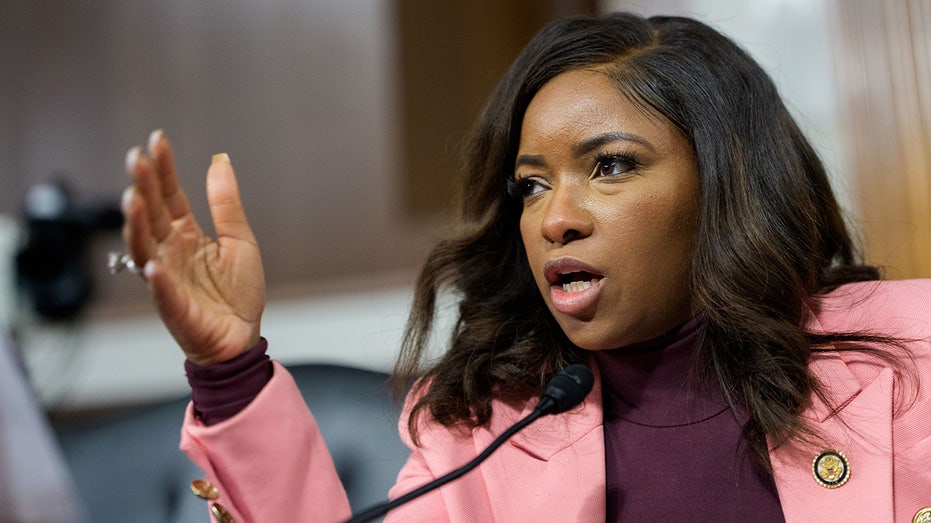
Rep. Crockett and Alveda King clash at Capitol Hill hearing on SPLC funding
During a House Judiciary Committee hearing on the Southern Poverty Law Center's funding practices, Rep. Jasmine Crockett criticized Republicans for what she called using Martin Luther King Jr.'s niece Alveda King as a 'prop' to deflect from racism allegations. Crockett accused the GOP of being predominantly white and unwelcoming to people of color, while Alveda King responded by asserting her legitimate place in the King family legacy. The exchange highlighted partisan disagreements over civil rights organizations and representation within the Republican Party.

DOJ Brief Claims Anti-Weaponization Fund Was Politically Neutral; Trump's Recent Comments Contradict That Position
The Department of Justice filed a brief arguing that Trump's proposed Anti-Weaponization Fund is moot because it will not be implemented, and denying claims it was designed to benefit Trump supporters. However, Trump stated in a recent television interview that the fund would benefit people hurt by the "radical-left," directly contradicting the DOJ's legal position. The discrepancy highlights tensions between the administration's official legal arguments and the president's public statements about the fund's intended purpose.
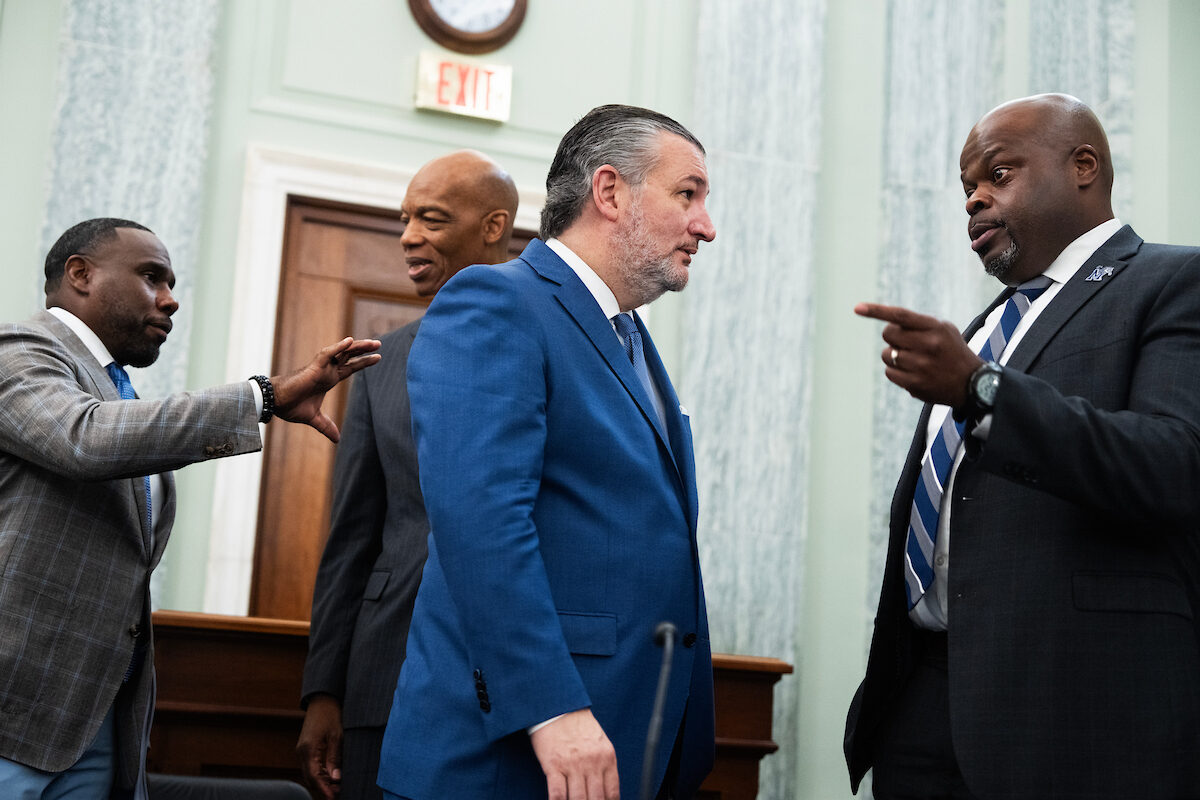
Bipartisan College Sports Reform Bill Creates Unusual Political Alliances
A Senate bill called the Protect College Sports Act, co-authored by Republican Ted Cruz and Democrat Maria Cantwell, is advancing with backing from President Trump and support from rival college football coaches. The legislation aims to regulate Name, Image, and Likeness (NIL) payments and restore order to college athletics amid skyrocketing costs and roster instability. The bill has created unusual cross-party and regional alliances, though it faces opposition from some conservatives and progressives, as well as divisions among conference leaders.