Magistrate Judge Denies Trump's Recusal Motion in BBC Libel Lawsuit
Magistrate Judge Enjoliqué A. Lett declined to recuse herself from presiding over discovery in Trump's defamation lawsuit against the BBC, rejecting his argument that her prior representation of Orbis Business Intelligence in an unrelated case created an appearance of bias. Trump's legal team argued the judge's past representation of a party adverse to Trump in a separate RICO case warranted her removal, but the judge found the motion came too late and lacked legal merit. The ruling allows the case to proceed with the judge overseeing discovery matters.
In a February 2026 order, Magistrate Judge Enjoliqué A. Lett of the U.S. District Court for the Southern District of Florida rejected Trump's motion to recuse her from his defamation lawsuit against the BBC. Trump's counsel argued that Lett's prior private practice representation of Orbis Business Intelligence Ltd. in the separate Trump v. Clinton case created an appearance of bias under 28 U.S.C. § 455(a). The judge found the recusal motion was procedurally defective, noting that Trump's counsel—who had appeared as appellate counsel in the earlier case—knew or should have known of her involvement yet waited over 160 days to raise the issue, constituting a waiver. On the merits, Lett concluded that representing an unrelated non-party in a different action does not, without more, create a reasonable appearance of impartiality concerns. She cited recent Eleventh Circuit precedent holding that a judge's prior representation of a party in unrelated matters does not disqualify them from hearing cases involving that party. The judge also noted that Trump v. Clinton was dismissed at the pleadings stage and never reached discovery, so any discovery issues in the current defamation case would not overlap with matters she previously handled.
What different sources said
- ReasonRight
Magistrate Judge Declines to Recuse Herself in Trump v. BBC Libel Lawsuit
Related
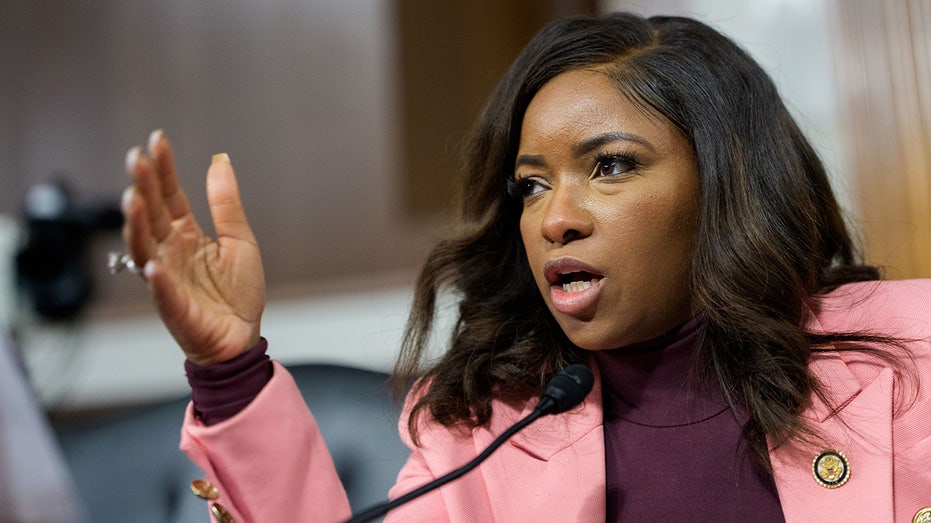
Rep. Crockett and Alveda King clash at Capitol Hill hearing on SPLC funding
During a House Judiciary Committee hearing on the Southern Poverty Law Center's funding practices, Rep. Jasmine Crockett criticized Republicans for what she called using Martin Luther King Jr.'s niece Alveda King as a 'prop' to deflect from racism allegations. Crockett accused the GOP of being predominantly white and unwelcoming to people of color, while Alveda King responded by asserting her legitimate place in the King family legacy. The exchange highlighted partisan disagreements over civil rights organizations and representation within the Republican Party.
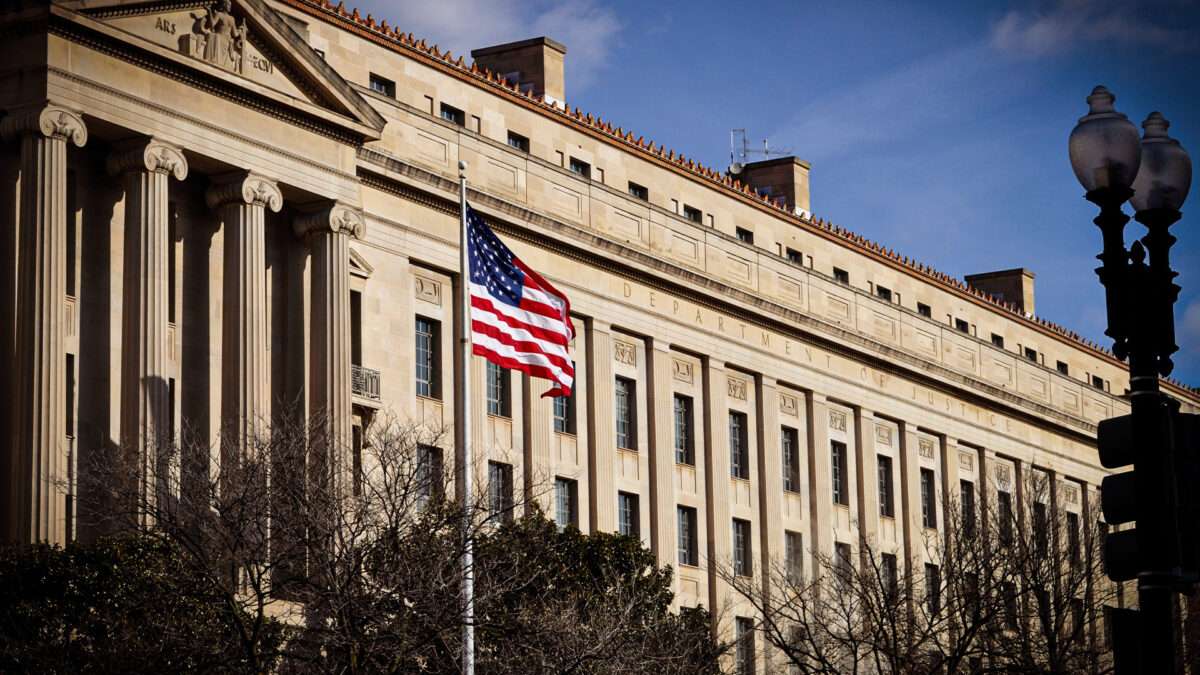
DOJ Brief Claims Anti-Weaponization Fund Was Politically Neutral; Trump's Recent Comments Contradict That Position
The Department of Justice filed a brief arguing that Trump's proposed Anti-Weaponization Fund is moot because it will not be implemented, and denying claims it was designed to benefit Trump supporters. However, Trump stated in a recent television interview that the fund would benefit people hurt by the "radical-left," directly contradicting the DOJ's legal position. The discrepancy highlights tensions between the administration's official legal arguments and the president's public statements about the fund's intended purpose.
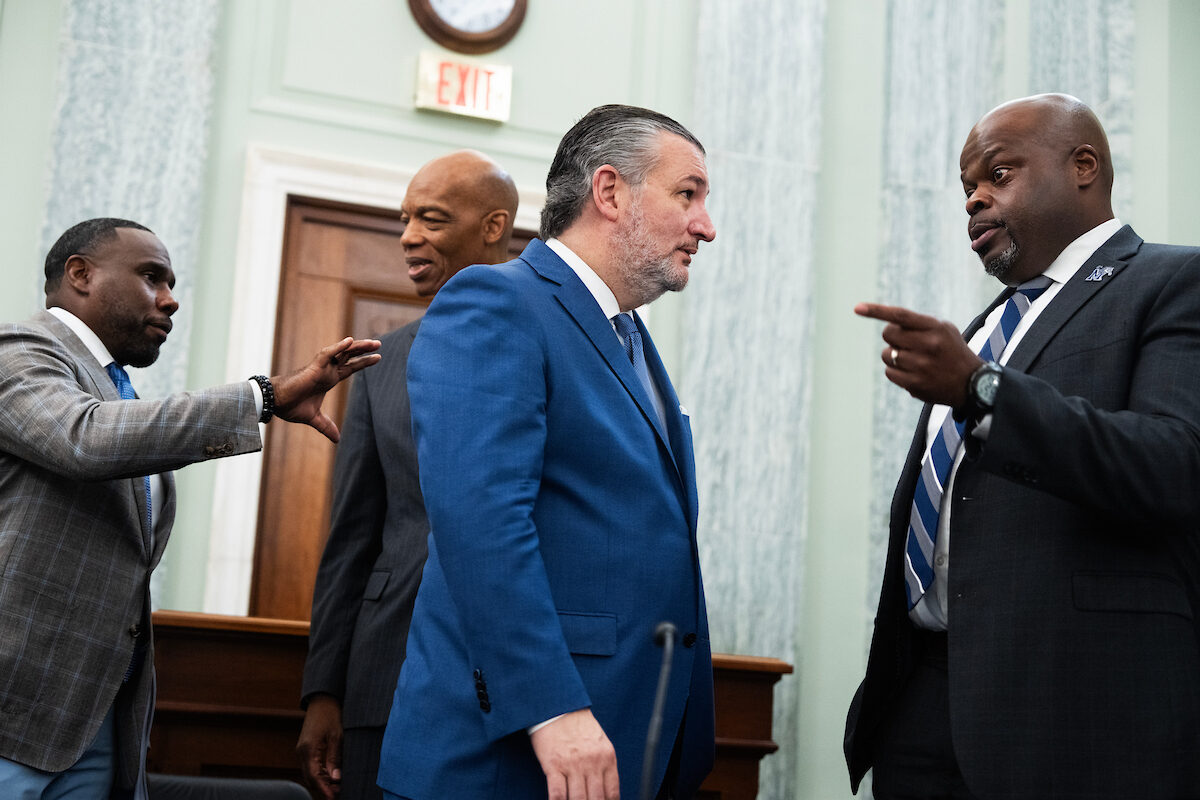
Bipartisan College Sports Reform Bill Creates Unusual Political Alliances
A Senate bill called the Protect College Sports Act, co-authored by Republican Ted Cruz and Democrat Maria Cantwell, is advancing with backing from President Trump and support from rival college football coaches. The legislation aims to regulate Name, Image, and Likeness (NIL) payments and restore order to college athletics amid skyrocketing costs and roster instability. The bill has created unusual cross-party and regional alliances, though it faces opposition from some conservatives and progressives, as well as divisions among conference leaders.