India's NDMA Mandates Disaster Resilience Planning Across Government Ministries for 2047 Vision

India's National Disaster Management Authority has launched an initiative requiring central government ministries to develop comprehensive disaster management and hazard-specific response plans as part of a 'Resilient India 2047' vision. The effort, discussed at an inter-ministerial meeting on June 9, 2026, aims to integrate disaster risk reduction into government policies and programs rather than treating it primarily as a relief activity. The initiative seeks to strengthen institutional preparedness and coordinate disaster response across multiple sectors and government levels.
The National Disaster Management Authority (NDMA) has initiated a comprehensive effort to embed disaster resilience into India's national development planning through 2047. At an inter-ministerial meeting, the NDMA outlined requirements for ministries to develop hazard-specific plans under Section 35 of the Disaster Management Act and Ministry Disaster Management Plans under Section 37. The framework uses complementary 'horizontal' and 'vertical' integration approaches—hazard-specific plans bring multiple ministries together to address single threats like floods, while ministry-level plans require each sector to assess and prepare for multiple hazards relevant to its functions. NDMA Member Dinesh Kumar Aswal emphasized that resilience must become a core element of national development rather than an afterthought. The planning exercise also addresses coordination challenges across central, state, district, and local government bodies, with officials discussing risk assessment methodologies, responsibility allocation, and preparedness mechanisms.
What different sources said
- The HinduCenter
NDMA pushes Ministries to embed disaster resilience into planning under vision 2047
Related
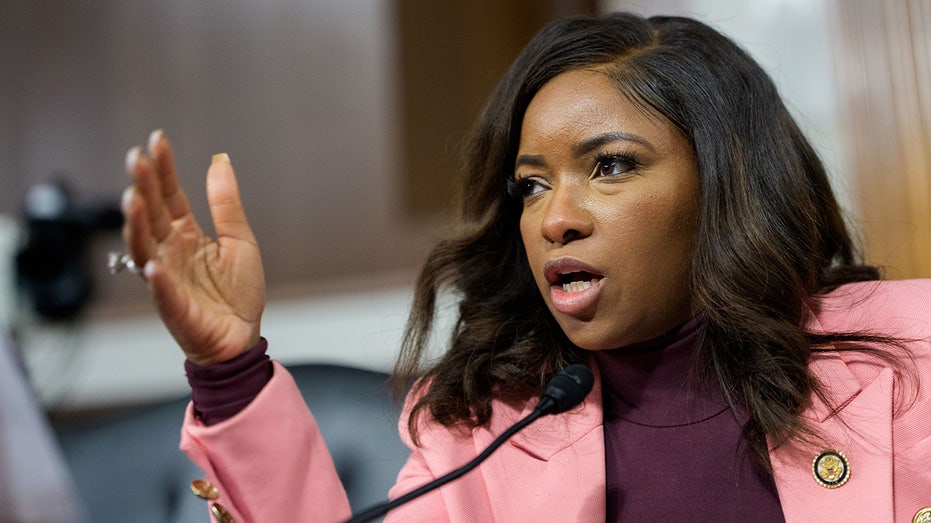
Rep. Crockett and Alveda King clash at Capitol Hill hearing on SPLC funding
During a House Judiciary Committee hearing on the Southern Poverty Law Center's funding practices, Rep. Jasmine Crockett criticized Republicans for what she called using Martin Luther King Jr.'s niece Alveda King as a 'prop' to deflect from racism allegations. Crockett accused the GOP of being predominantly white and unwelcoming to people of color, while Alveda King responded by asserting her legitimate place in the King family legacy. The exchange highlighted partisan disagreements over civil rights organizations and representation within the Republican Party.
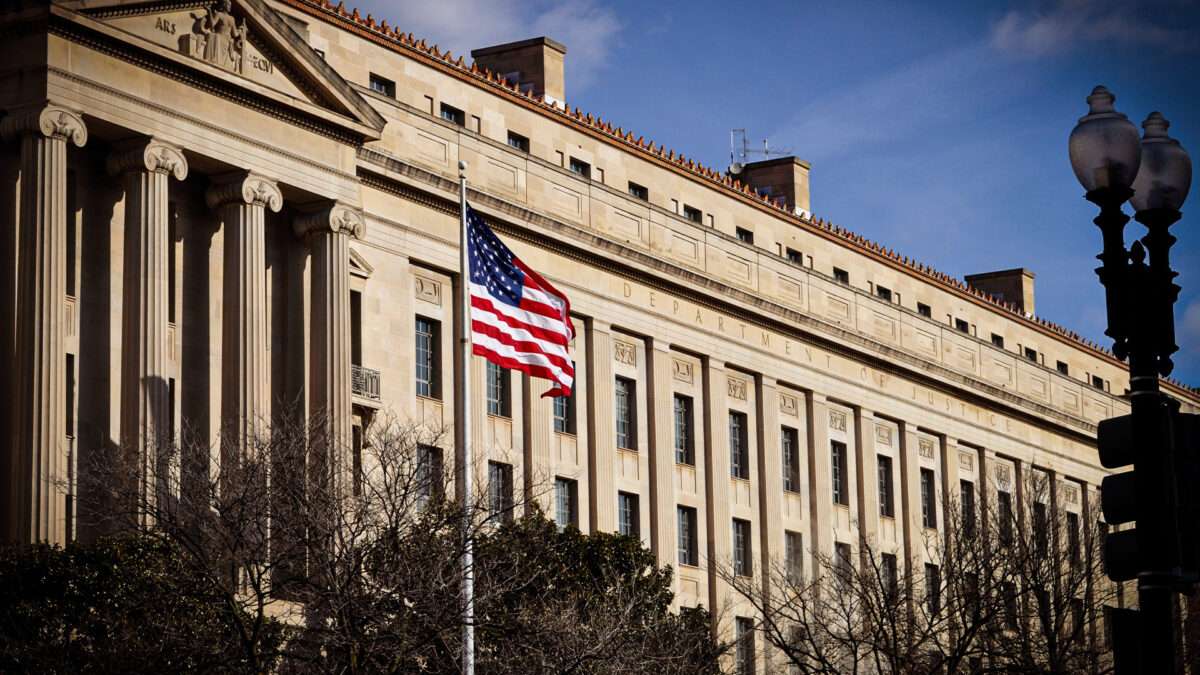
DOJ Brief Claims Anti-Weaponization Fund Was Politically Neutral; Trump's Recent Comments Contradict That Position
The Department of Justice filed a brief arguing that Trump's proposed Anti-Weaponization Fund is moot because it will not be implemented, and denying claims it was designed to benefit Trump supporters. However, Trump stated in a recent television interview that the fund would benefit people hurt by the "radical-left," directly contradicting the DOJ's legal position. The discrepancy highlights tensions between the administration's official legal arguments and the president's public statements about the fund's intended purpose.
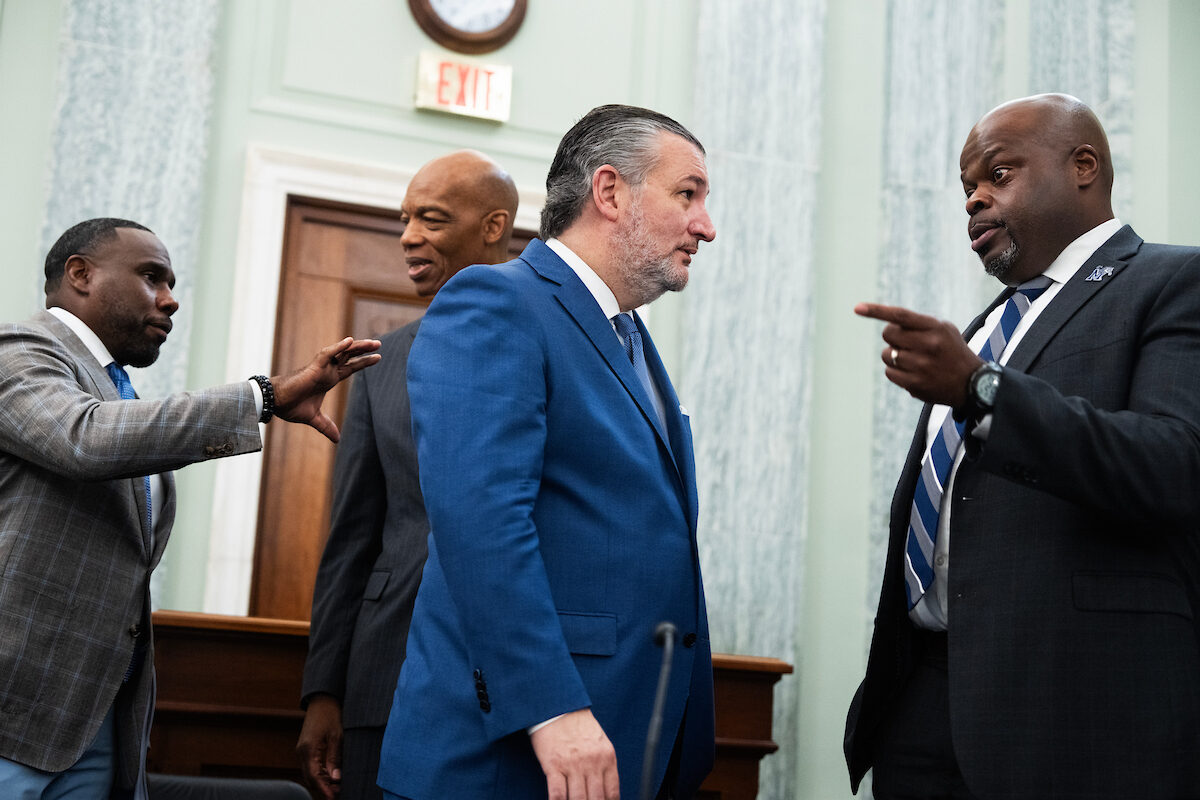
Bipartisan College Sports Reform Bill Creates Unusual Political Alliances
A Senate bill called the Protect College Sports Act, co-authored by Republican Ted Cruz and Democrat Maria Cantwell, is advancing with backing from President Trump and support from rival college football coaches. The legislation aims to regulate Name, Image, and Likeness (NIL) payments and restore order to college athletics amid skyrocketing costs and roster instability. The bill has created unusual cross-party and regional alliances, though it faces opposition from some conservatives and progressives, as well as divisions among conference leaders.