India's 2027 Census: Scope, Significance, and Democratic Implications

India commenced Census 2027 on April 1, marking the country's eighth decennial census after a 15-year gap caused by COVID-19 and elections. The census will collect household data in phase one and demographic information including caste data for the first time in phase two, with expected population growth of 25-30 crore since 2011. The census is critical for development planning, electoral delimitation, and determining resource allocation for social welfare programs and affirmative action policies.
Census 2027 represents India's most comprehensive demographic count since independence, beginning April 1 with two phases of data collection. The first phase gathers information on household conditions, amenities, and assets nationwide, while the second phase will collect socio-economic and demographic data including education, migration, fertility, and caste—marking the first time caste will be included in independent India's census. The 15-year gap since the 2011 Census has left India relying on outdated demographic data for both public and private planning, with the UN Population Fund estimating India's 2025 population at over 146 crore compared to 121 crore in 2011. The census carries significant political implications, as new electoral boundaries will be anchored in Census data, affecting the implementation of women's reservation in legislatures, and caste data will inform affirmative action policies and resource allocation for marginalized groups. The article emphasizes that accurate census data is essential for evidence-based governance, inclusive development, and the functioning of India's representative democracy.
What's missing
The article does not specify the timeline for completion of Census 2027 or when results are expected to be released. Additionally, while the article mentions the inclusion of caste data as unprecedented, it does not detail the specific methodology for caste enumeration or address potential concerns about data accuracy and privacy in collecting sensitive caste information.
What different sources said
- The HinduCenter
Why Census 2027 matters for development, democracy and representation
Related
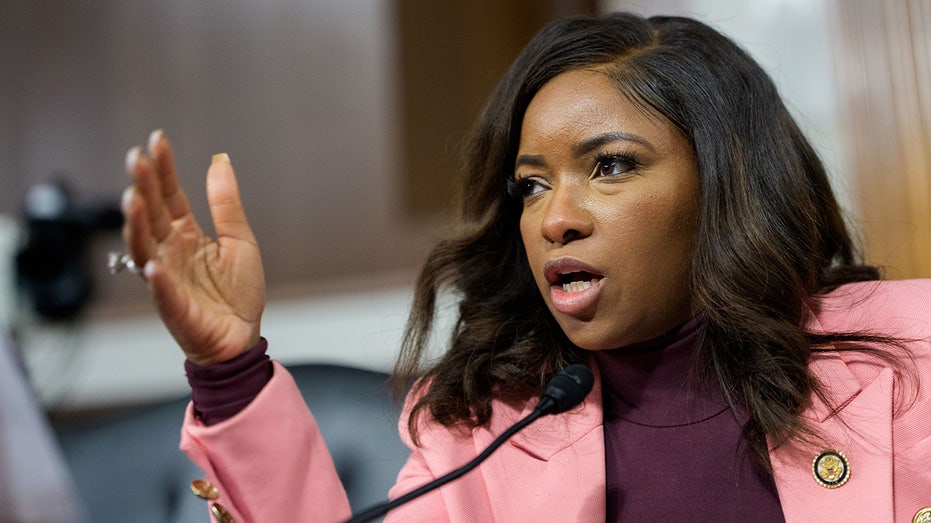
Rep. Crockett and Alveda King clash at Capitol Hill hearing on SPLC funding
During a House Judiciary Committee hearing on the Southern Poverty Law Center's funding practices, Rep. Jasmine Crockett criticized Republicans for what she called using Martin Luther King Jr.'s niece Alveda King as a 'prop' to deflect from racism allegations. Crockett accused the GOP of being predominantly white and unwelcoming to people of color, while Alveda King responded by asserting her legitimate place in the King family legacy. The exchange highlighted partisan disagreements over civil rights organizations and representation within the Republican Party.
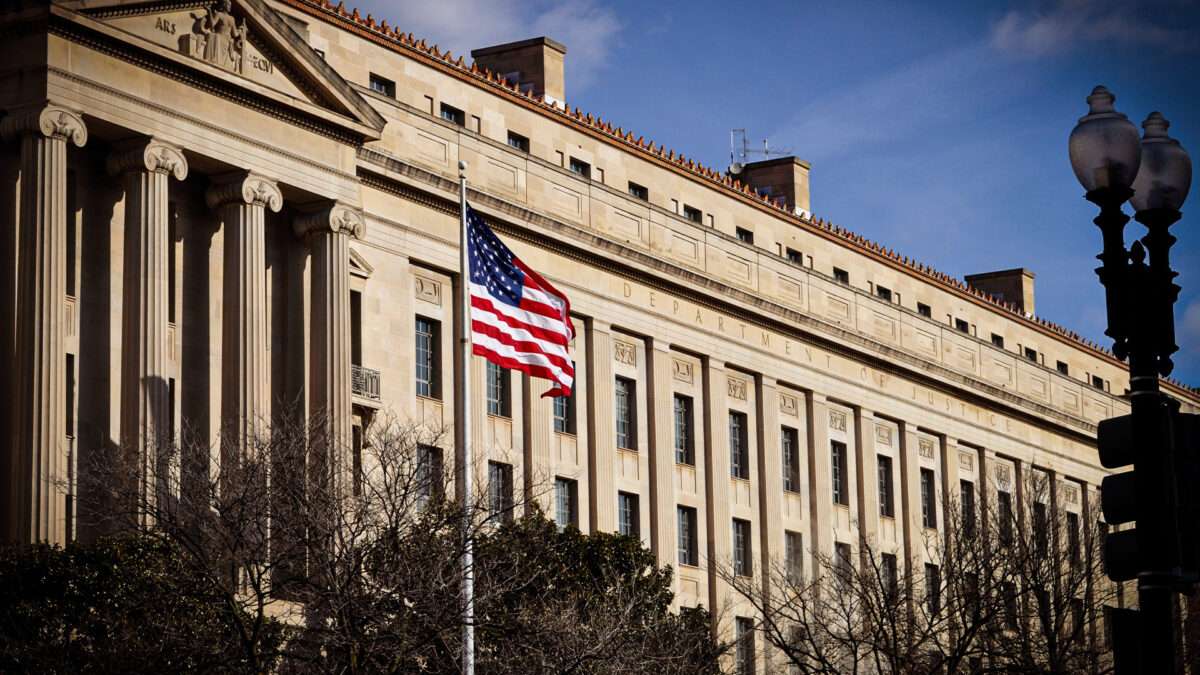
DOJ Brief Claims Anti-Weaponization Fund Was Politically Neutral; Trump's Recent Comments Contradict That Position
The Department of Justice filed a brief arguing that Trump's proposed Anti-Weaponization Fund is moot because it will not be implemented, and denying claims it was designed to benefit Trump supporters. However, Trump stated in a recent television interview that the fund would benefit people hurt by the "radical-left," directly contradicting the DOJ's legal position. The discrepancy highlights tensions between the administration's official legal arguments and the president's public statements about the fund's intended purpose.
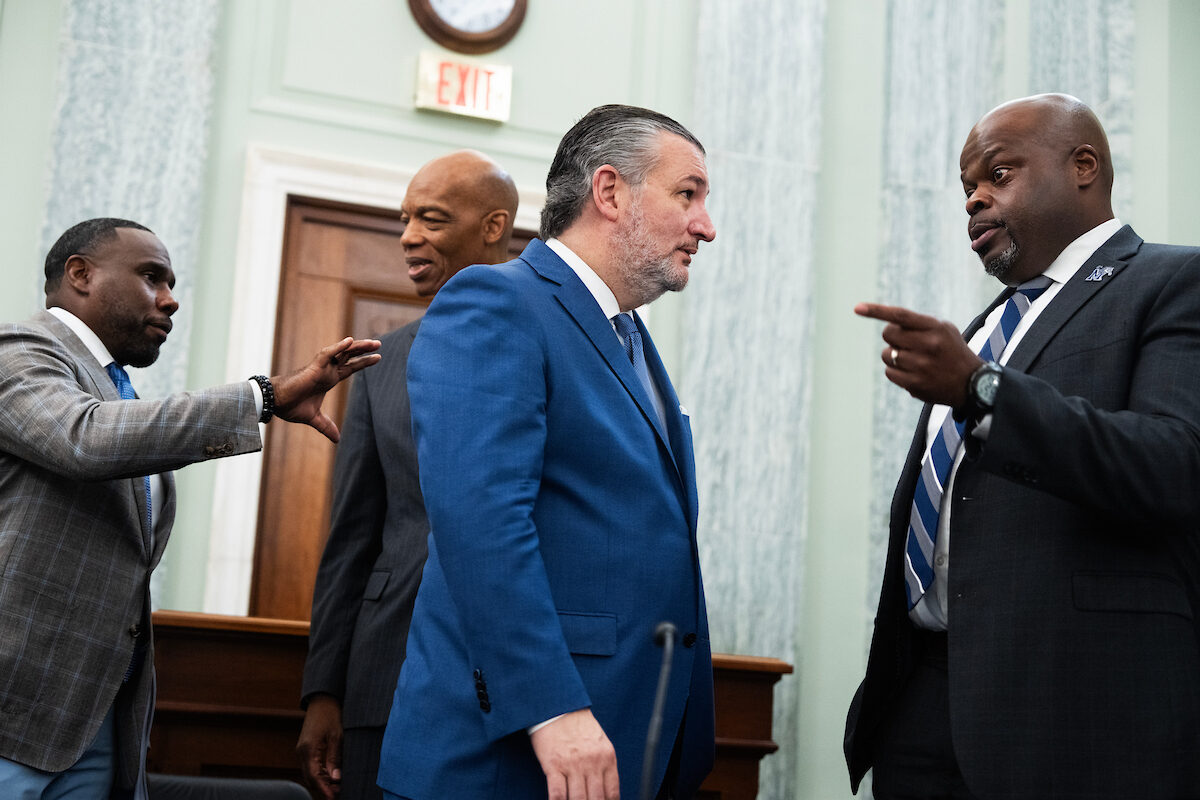
Bipartisan College Sports Reform Bill Creates Unusual Political Alliances
A Senate bill called the Protect College Sports Act, co-authored by Republican Ted Cruz and Democrat Maria Cantwell, is advancing with backing from President Trump and support from rival college football coaches. The legislation aims to regulate Name, Image, and Likeness (NIL) payments and restore order to college athletics amid skyrocketing costs and roster instability. The bill has created unusual cross-party and regional alliances, though it faces opposition from some conservatives and progressives, as well as divisions among conference leaders.