Gas Prices Surge in Competitive Midterm Districts as Both Parties Adjust Campaign Strategy
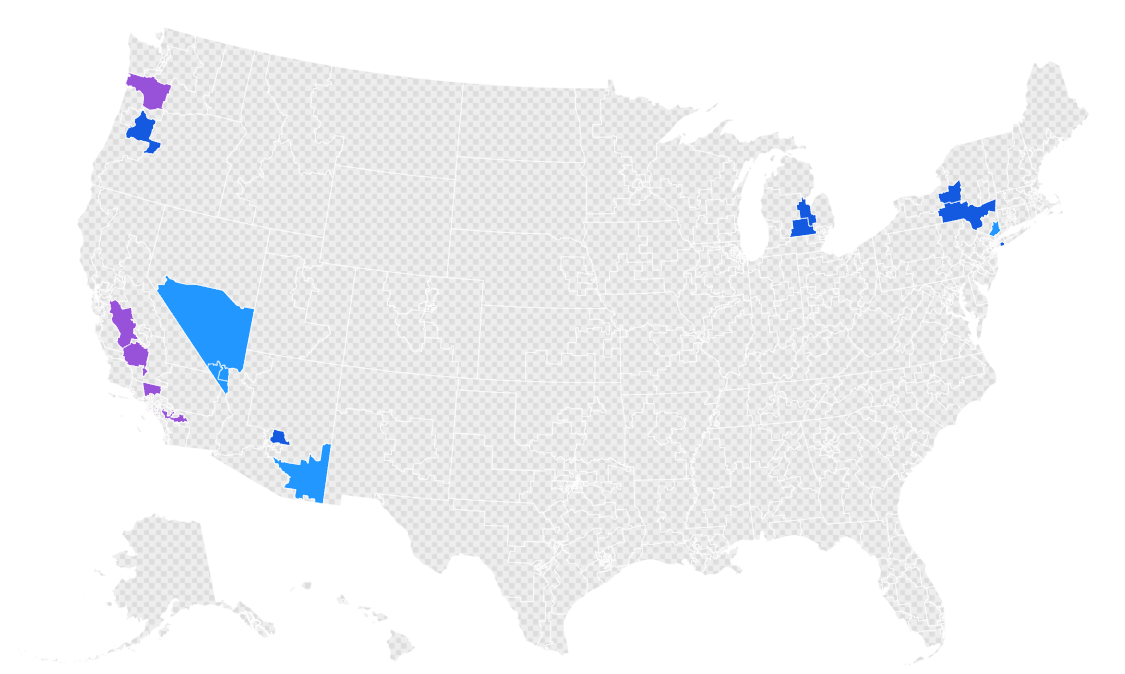
Gas prices have reached their highest levels in years, with swing districts across the West, Mountain West, and Northeast experiencing prices between $4.70 and $6.00 per gallon, according to Bureau of Labor Statistics data. The energy sector is driving over 60 percent of May's inflation increase, with gasoline up 40.5 percent year-over-year nationally. Both Republicans and Democrats are reshaping their midterm messaging around fuel costs and inflation as voters prioritize economic concerns.
A new political analysis maps 21 highly competitive House districts where gas prices are significantly above the national average, potentially influencing voter sentiment ahead of midterm elections. The Bureau of Labor Statistics reports that gasoline prices jumped 7 percent in May alone, with overall inflation accelerating to 4.2 percent year-over-year and the energy index up 23.5 percent. Districts in California, Oregon, Washington, Arizona, Nevada, New York, Michigan, and Wisconsin are experiencing the steepest costs, driven by structural factors including high state fuel taxes, limited refining capacity, and global supply disruptions. Republicans previously emphasized lower prices under President Trump but face complications as national averages exceed $4 per gallon; Democrats have launched digital ads in 44 target districts linking higher fuel costs to Republican policies. Analysts note that while crude prices may drop, retail gas prices historically fall slowly, meaning the political impact could persist through the election cycle.
What different sources said
- NewsweekCenter
US Map Shows Midterm Swing Districts Where Gas Prices Are Highest
Related
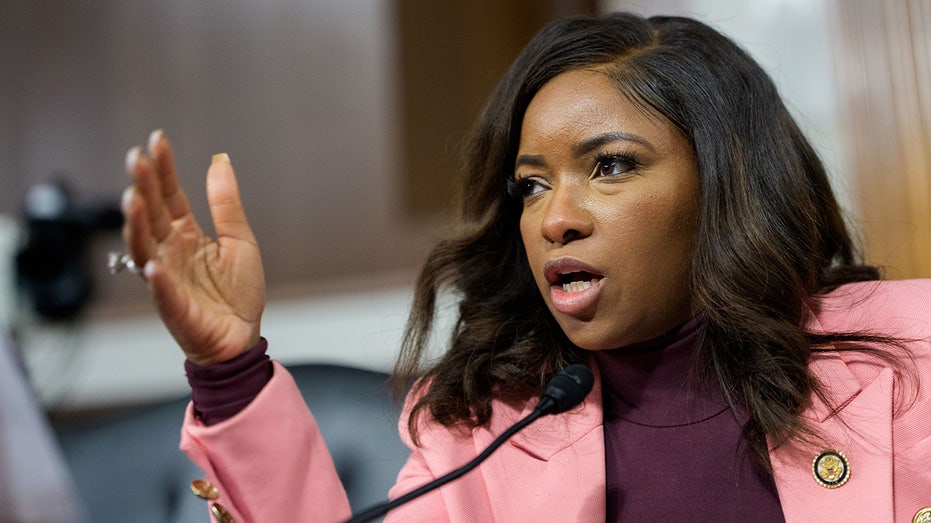
Rep. Crockett and Alveda King clash at Capitol Hill hearing on SPLC funding
During a House Judiciary Committee hearing on the Southern Poverty Law Center's funding practices, Rep. Jasmine Crockett criticized Republicans for what she called using Martin Luther King Jr.'s niece Alveda King as a 'prop' to deflect from racism allegations. Crockett accused the GOP of being predominantly white and unwelcoming to people of color, while Alveda King responded by asserting her legitimate place in the King family legacy. The exchange highlighted partisan disagreements over civil rights organizations and representation within the Republican Party.
DOJ Brief Claims Anti-Weaponization Fund Was Politically Neutral; Trump's Recent Comments Contradict That Position
The Department of Justice filed a brief arguing that Trump's proposed Anti-Weaponization Fund is moot because it will not be implemented, and denying claims it was designed to benefit Trump supporters. However, Trump stated in a recent television interview that the fund would benefit people hurt by the "radical-left," directly contradicting the DOJ's legal position. The discrepancy highlights tensions between the administration's official legal arguments and the president's public statements about the fund's intended purpose.
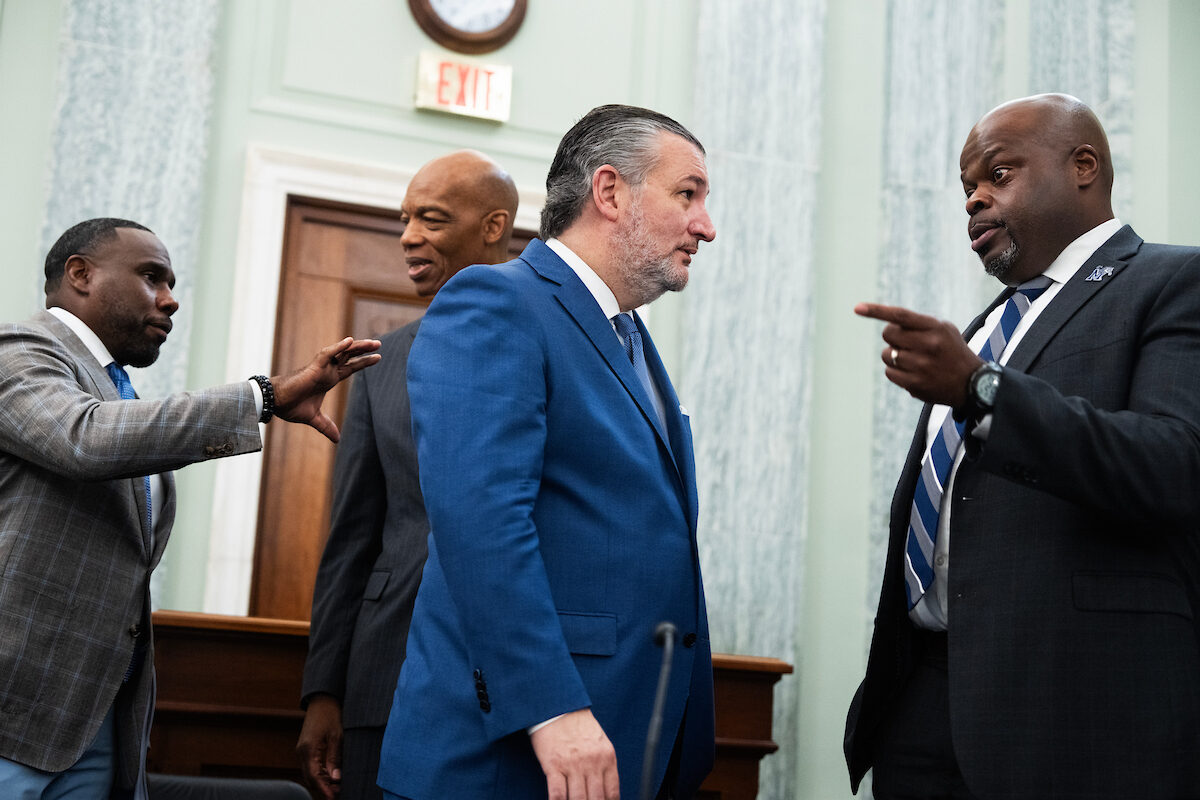
Bipartisan College Sports Reform Bill Creates Unusual Political Alliances
A Senate bill called the Protect College Sports Act, co-authored by Republican Ted Cruz and Democrat Maria Cantwell, is advancing with backing from President Trump and support from rival college football coaches. The legislation aims to regulate Name, Image, and Likeness (NIL) payments and restore order to college athletics amid skyrocketing costs and roster instability. The bill has created unusual cross-party and regional alliances, though it faces opposition from some conservatives and progressives, as well as divisions among conference leaders.