Energy Secretary Wright Reports Nearly 100 Ships Have Used Trump's Jones Act Waiver for Oil Transport
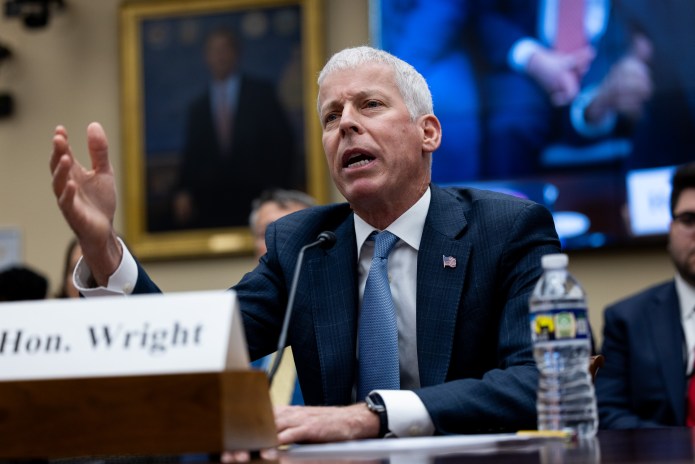
Energy Secretary Chris Wright testified that nearly 100 vessels have utilized President Trump's Jones Act waiver, which allows foreign-flagged ships to transport fuel between U.S. ports, with a CATO Institute tracker confirming 95 voyages as of June 8th. The waiver, first issued in March and extended through July, is part of the administration's effort to lower oil prices elevated by the Iran conflict and closure of the Strait of Hormuz. The move remains controversial due to its impact on the domestic maritime industry, though some economists argue eliminating the Jones Act could reduce fuel prices on the East Coast.
Energy Secretary Chris Wright testified before the House Science, Space and Technology Committee that nearly 100 ships have used the Jones Act waiver granted by President Trump, with independent tracking confirming 95 total voyages as of June 8th. The Jones Act requires goods shipped between U.S. ports to be carried only by American-built, -flagged, and -crewed vessels; the waiver suspends this requirement to allow foreign tankers to transport oil domestically. The Trump administration issued the initial waiver in March and extended it in April for 90 days through July, as part of a broader strategy to lower energy prices amid the Iran conflict and the effective closure of the Strait of Hormuz, which previously handled about 20 million barrels of crude oil daily. Wright argued the waiver has been "enormously helpful" and emphasized the administration's commitment to lowering energy costs nationwide, particularly in California. However, Republican Rep. Randy Weber acknowledged the move's controversy and stressed the importance of restoring the Jones Act protections for the domestic maritime industry. A 2025 study by economists at the University of Chicago and Boston College found that eliminating the Jones Act could reduce East Coast fuel prices by $0.50 to $1.00 per barrel, though it would raise Gulf Coast prices by approximately $0.30 per barrel.
What's missing
The article does not provide details on the specific impact of the waiver on domestic maritime industry employment or vessel utilization rates, nor does it include perspectives from maritime labor unions or domestic shipping companies affected by the waiver.
What different sources said
- Washington ExaminerRight
Chris Wright says nearly 100 ships have used Jones Act waiver to move oil
Related
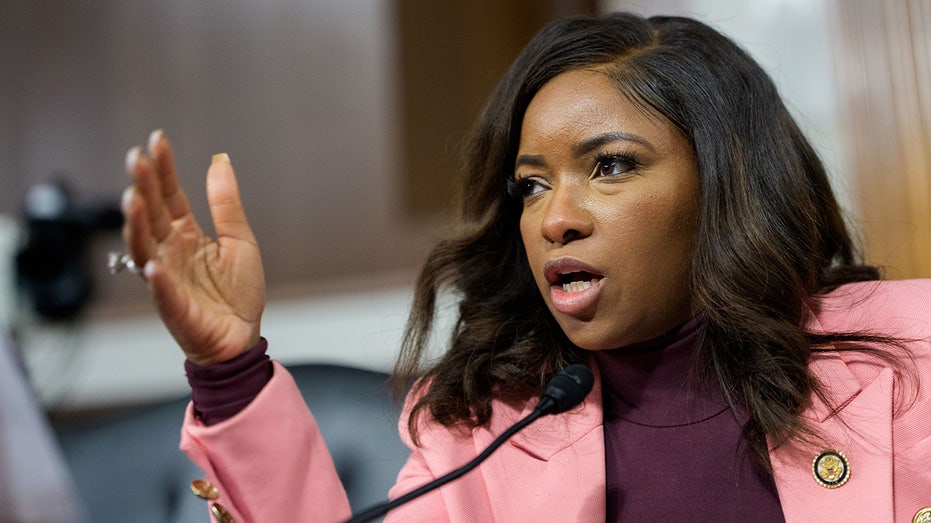
Rep. Crockett and Alveda King clash at Capitol Hill hearing on SPLC funding
During a House Judiciary Committee hearing on the Southern Poverty Law Center's funding practices, Rep. Jasmine Crockett criticized Republicans for what she called using Martin Luther King Jr.'s niece Alveda King as a 'prop' to deflect from racism allegations. Crockett accused the GOP of being predominantly white and unwelcoming to people of color, while Alveda King responded by asserting her legitimate place in the King family legacy. The exchange highlighted partisan disagreements over civil rights organizations and representation within the Republican Party.
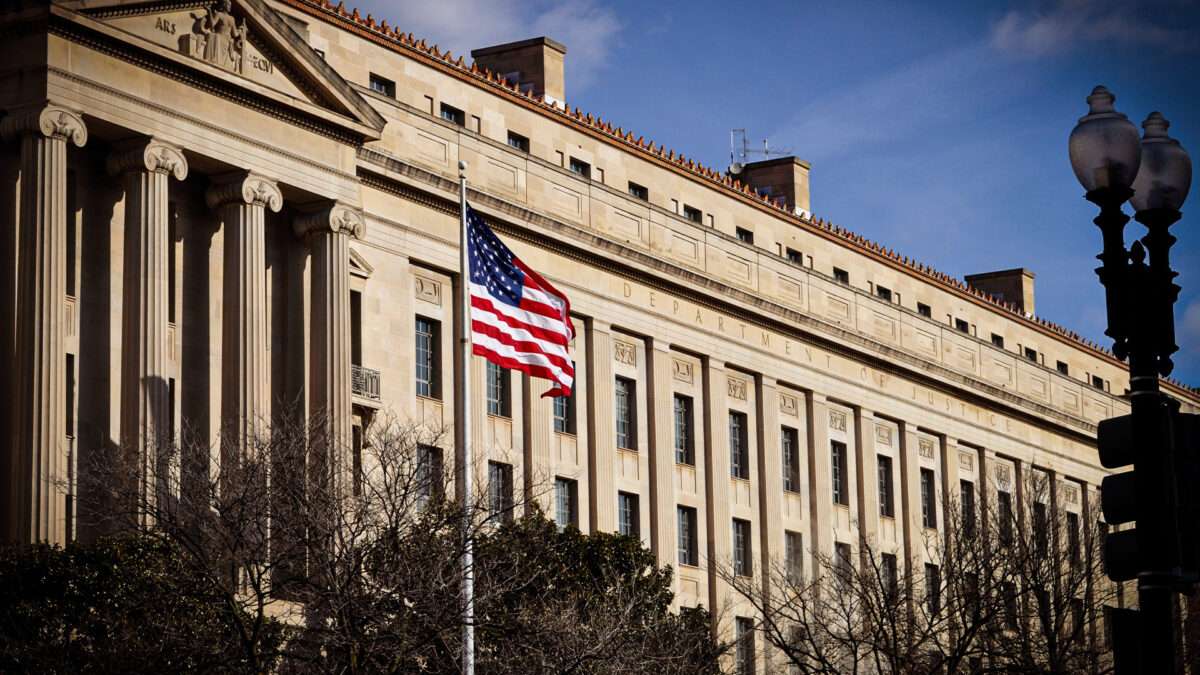
DOJ Brief Claims Anti-Weaponization Fund Was Politically Neutral; Trump's Recent Comments Contradict That Position
The Department of Justice filed a brief arguing that Trump's proposed Anti-Weaponization Fund is moot because it will not be implemented, and denying claims it was designed to benefit Trump supporters. However, Trump stated in a recent television interview that the fund would benefit people hurt by the "radical-left," directly contradicting the DOJ's legal position. The discrepancy highlights tensions between the administration's official legal arguments and the president's public statements about the fund's intended purpose.
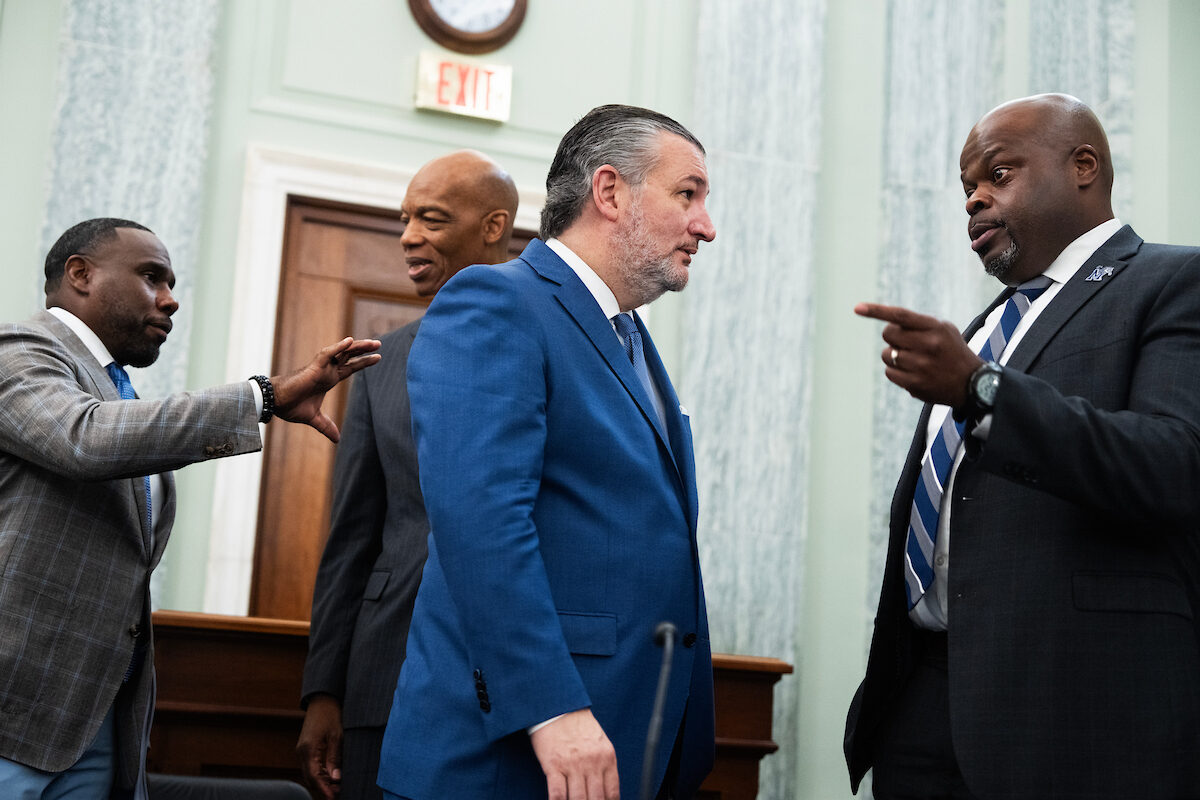
Bipartisan College Sports Reform Bill Creates Unusual Political Alliances
A Senate bill called the Protect College Sports Act, co-authored by Republican Ted Cruz and Democrat Maria Cantwell, is advancing with backing from President Trump and support from rival college football coaches. The legislation aims to regulate Name, Image, and Likeness (NIL) payments and restore order to college athletics amid skyrocketing costs and roster instability. The bill has created unusual cross-party and regional alliances, though it faces opposition from some conservatives and progressives, as well as divisions among conference leaders.