Employers Face 'Prisoner's Dilemma' Over GLP-1 Coverage Decisions
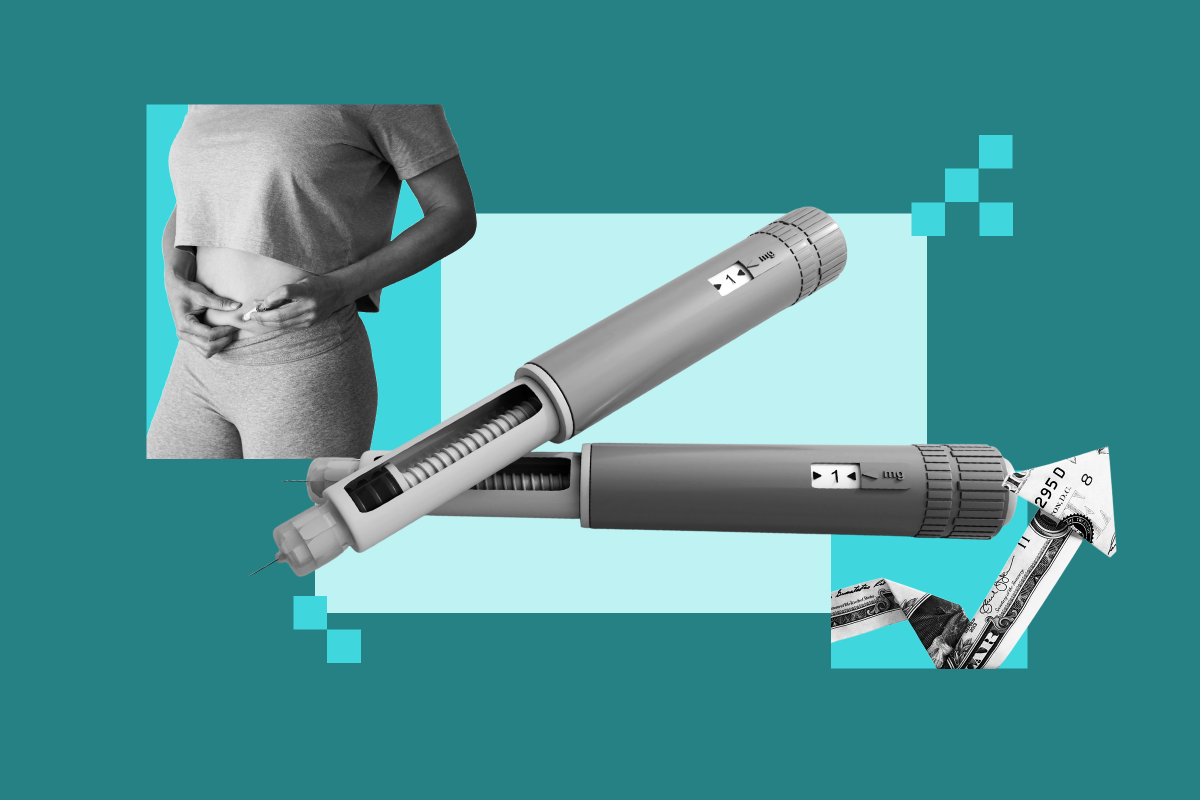
Pharmaceutical and benefits industry leaders discussed at a Newsweek webinar why only 36% of employers cover GLP-1 therapies despite evidence that obesity costs the U.S. healthcare system over $261 billion annually. The debate centers on a 'prisoner's dilemma' where individual employers hesitate to invest in treatments whose financial returns may take years to materialize, even though not covering them carries significant long-term costs. The discussion highlights how GLP-1 coverage decisions could affect workforce retention and talent recruitment, particularly among younger employees.
At a June 9 Newsweek webinar titled "Will GLP-1s Ease or Escalate Health Care Costs?," industry panelists including Eli Lilly's Kevin Hern, Enara Health's Dr. Lydia Alexander, and WEX's Robert Deshaies examined why employer adoption of GLP-1 therapies remains limited despite growing evidence of their benefits. With 100 million American adults living with obesity and $261 billion in annual healthcare spending attributed to obesity-related complications, the panelists agreed that the cost of not covering these medications could exceed the cost of coverage. However, employers face a structural dilemma: individual companies have incentives to delay coverage investments, hoping competitors absorb initial costs while the broader workforce benefits. The average U.S. employee tenure of 3.9 years creates a mismatch with GLP-1 benefits that can take up to 12 months to materialize, making long-term return on investment calculations difficult. Panelists suggested reframing GLP-1 coverage as a workforce retention and talent recruitment tool, particularly for younger generations who increasingly expect such benefits.
What's missing
The article does not provide specific data on the actual financial outcomes or ROI analyses from employers who have already implemented GLP-1 coverage, which would help substantiate the panelists' claims about long-term cost benefits versus the upfront expenses.
What different sources said
- NewsweekCenter
GLP-1 Coverage Debate Comes Down to a ‘Prisoner's Dilemma,’ Lilly SVP Says
Related

Study Links Childhood Smacking to Lower GCSE Grades and Risky Behavior
A University College London study of 19,000 UK children found that those who were smacked in early childhood were 5.7 percentage points more likely to fail GCSE exams and 33% more likely to engage in risky behaviors at age 14. The research has prompted renewed calls for England and Northern Ireland to ban physical punishment, following Scotland (2020) and Wales (2022). The findings matter because they contribute to the evidence base on child discipline methods, though experts debate whether correlation proves causation and whether legal bans are the appropriate policy response.

How Holding Your Urine Affects Bladder Health: What Urologists Say
Channel NewsAsia consulted multiple urologists to explain bladder capacity, urine production timelines, and potential health effects of regularly delaying bathroom visits. A healthy adult bladder typically holds 300-500ml of urine, with the urge to urinate triggered around this volume, though individual variation is significant. Understanding these mechanisms matters for people experiencing incontinence or concerned about long-term bladder health from frequent urine retention.

Managing Oily Skin and Acne During Puberty: A Dermatologist's Guide for Tweens
Hormonal changes during puberty, beginning in the tween years (ages 8-12), trigger increased oil production and acne affecting 90-96% of teenagers. A dermatologist recommends a simple three-step skincare routine with a gentle cleanser, lightweight moisturizer, and SPF50+ sunscreen, along with ingredients like niacinamide and salicylic acid. Establishing healthy skincare habits early, combined with attention to hygiene, diet, sleep, and stress management, can help prevent and manage these common skin concerns.