Electoral Roll Revision in West Bengal: Analysis of SIR Impact on 2026 Assembly Election Results
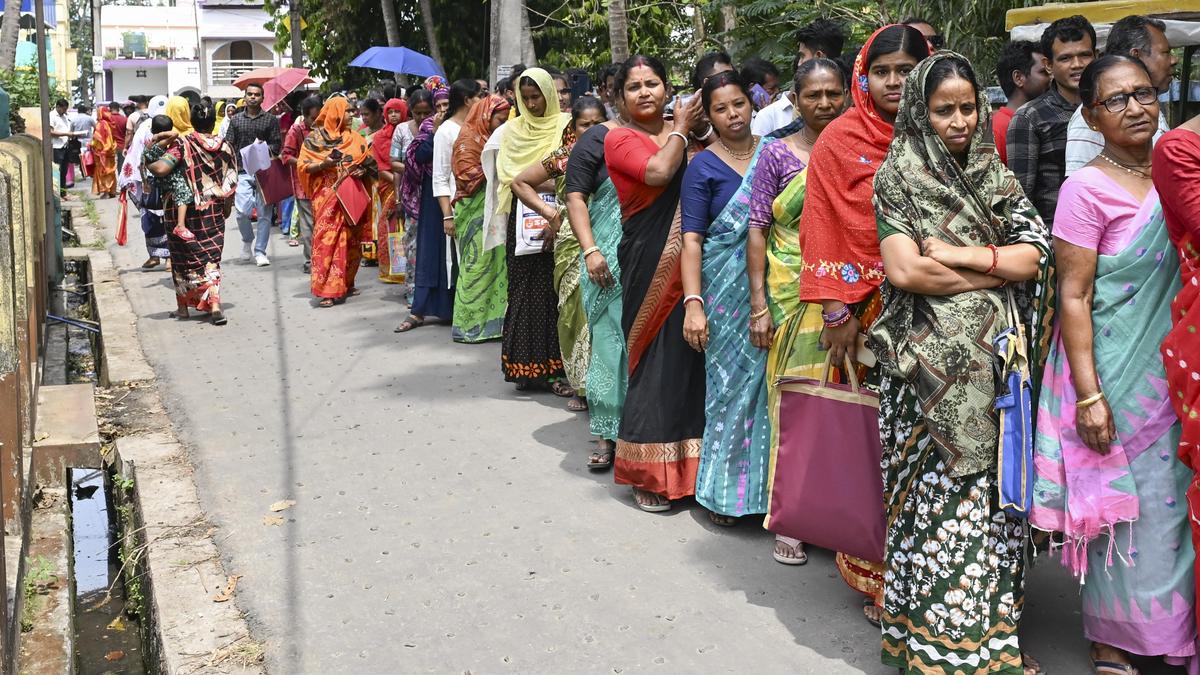
West Bengal's 2026 Assembly election saw unprecedented 93% voter turnout, but this was significantly influenced by a Special Intensive Revision (SIR) of electoral rolls that removed approximately 64.7 lakh voters, with disproportionate impact on Muslim voters. The SIR process, which introduced a controversial 'logical discrepancy' criterion unique to West Bengal, resulted in over 25 lakh Muslim voter deletions—38.6% of total deletions despite Muslims comprising 27% of the population. The analysis suggests this electoral roll revision, combined with anti-incumbency and communal polarization, materially affected election outcomes, with the BJP gaining 63 lakh votes while the ruling Trinamool Congress lost 29.5 lakh votes compared to 2021.
West Bengal's 2026 Assembly election produced a 93% voter turnout—reportedly the highest ever in a major Indian state general election—but this figure was significantly influenced by a Special Intensive Revision (SIR) of electoral rolls that commenced in November 2025. The SIR process, initially scheduled for completion by January 2026, was extended when the Election Commission of India introduced a 'logical discrepancy' criterion uniquely applied to West Bengal to identify and remove additional voters. This led to the deletion of approximately 64.7 lakh voters from the rolls, with over 34 lakh appeals still pending in appellate tribunals. Digital scrutiny of electoral rolls revealed that roughly 25 lakh of the deleted voters were Muslim—38.6% of total deletions—a proportion significantly higher than Muslims' 27% share of the state's population according to the 2011 census. While the total electorate shrank from 7.34 crore in 2021 to 6.81 crore in 2026, the BJP's vote share increased by 63 lakh votes and the Trinamool Congress's declined by 29.5 lakh votes. The analysis attributes the election outcome to a combination of factors: the SIR's disproportionate impact on certain voter demographics, significant anti-incumbency against the incumbent government, and communal polarization.
What's missing
The article does not provide the Election Commission of India's official justification or response to the 'logical discrepancy' criterion or the allegations of disproportionate Muslim voter deletion. Additionally, while the analysis uses 2011 census data as a proxy for current Muslim population percentages, the article does not discuss the limitations of using decade-old demographic data or acknowledge that population composition may have changed significantly since 2011.
What different sources said
- The HinduCenter
Decoding SIR impact in West Bengal
Related
Rep. Crockett and Alveda King clash at Capitol Hill hearing on SPLC funding
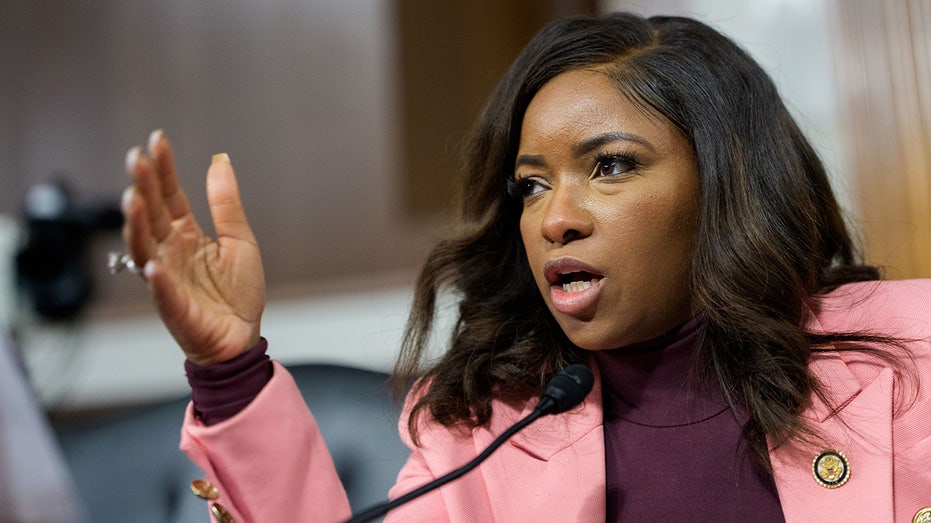
During a House Judiciary Committee hearing on the Southern Poverty Law Center's funding practices, Rep. Jasmine Crockett criticized Republicans for what she called using Martin Luther King Jr.'s niece Alveda King as a 'prop' to deflect from racism allegations. Crockett accused the GOP of being predominantly white and unwelcoming to people of color, while Alveda King responded by asserting her legitimate place in the King family legacy. The exchange highlighted partisan disagreements over civil rights organizations and representation within the Republican Party.
DOJ Brief Claims Anti-Weaponization Fund Was Politically Neutral; Trump's Recent Comments Contradict That Position
The Department of Justice filed a brief arguing that Trump's proposed Anti-Weaponization Fund is moot because it will not be implemented, and denying claims it was designed to benefit Trump supporters. However, Trump stated in a recent television interview that the fund would benefit people hurt by the "radical-left," directly contradicting the DOJ's legal position. The discrepancy highlights tensions between the administration's official legal arguments and the president's public statements about the fund's intended purpose.
Bipartisan College Sports Reform Bill Creates Unusual Political Alliances
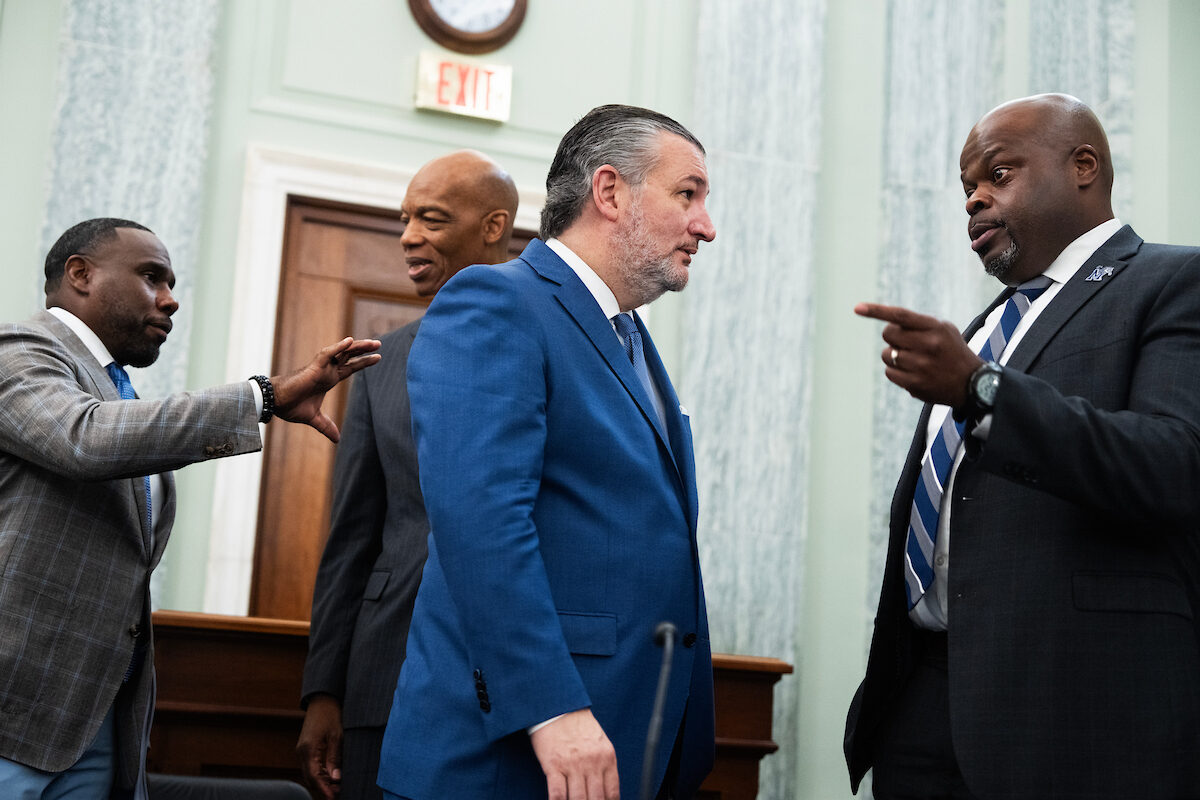
A Senate bill called the Protect College Sports Act, co-authored by Republican Ted Cruz and Democrat Maria Cantwell, is advancing with backing from President Trump and support from rival college football coaches. The legislation aims to regulate Name, Image, and Likeness (NIL) payments and restore order to college athletics amid skyrocketing costs and roster instability. The bill has created unusual cross-party and regional alliances, though it faces opposition from some conservatives and progressives, as well as divisions among conference leaders.