EAC-PM Proposes Targeted Constituency Splitting for Next Delimitation, Suggests Lok Sabha Expansion to 824 Seats

India's Economic Advisory Council to the Prime Minister has released a working paper recommending multi-factor criteria for splitting parliamentary constituencies during the next delimitation exercise, proposing to increase the Lok Sabha from 543 to 824 seats. The model would allow approximately 50% seat increases for large states while maintaining their current proportional representation, with southern states' aggregate share remaining at 23.6% and northern states at 45.2%. The recommendation is significant as it would be the first major delimitation since the 1976 Constitutional Amendment froze state-wise seat proportions based on 1971 Census data.
The Economic Advisory Council to the Prime Minister (EAC-PM) has released a working paper proposing a new approach to India's next delimitation of parliamentary constituencies, authored by EAC-PM Member Shamika Ravi and Mudit Kapoor of the Indian Statistical Institute. Rather than using population distribution alone, the model employs multi-factor criteria including voter turnout, urban share, SC/ST representation, and linguistic characteristics to determine which constituencies should be split and into how many parts. The proposed model would increase the Lok Sabha to 824 seats by splitting 170 existing constituencies (59 into two parts and 111 into three parts), with states like Uttar Pradesh rising from 80 to 120 seats and Tamil Nadu from 39 to 59 seats. Notably, the model maintains the existing proportional representation of states—southern states would retain approximately 23.6% of seats and northern states 45.2%—despite allowing roughly 50% seat increases across large states. The EAC-PM recommends that the Delimitation Commission, to be constituted after the 2027 Census, adopt these targeted criteria rather than uniform splitting rules, and suggests coordinating the exercise with booth rationalization and timely release of census data.
What's missing
The working paper does not explicitly justify the underlying principle of maintaining existing state-wise seat proportions despite allowing for the first major delimitation since 1976, beyond stating the model was designed to 'respect' the 50% per-state expansion. Additionally, the article notes a residual gap in women's turnout in urban areas identified by the model but does not detail the EAC-PM's specific recommendations to address this gap.
What different sources said
- The HinduCenter
EAC-PM recommends targeted splitting of seats for delimitation, shows model allowing 50% rise for all large States
Related
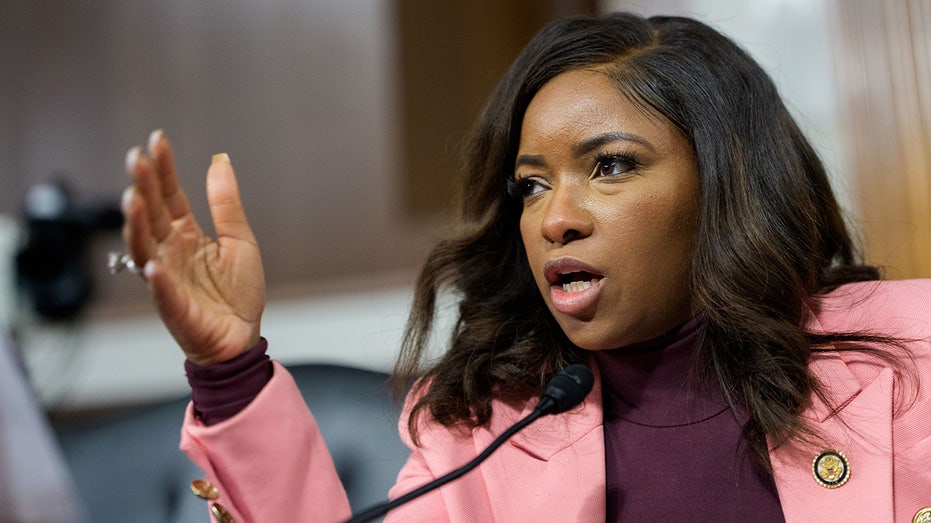
Rep. Crockett and Alveda King clash at Capitol Hill hearing on SPLC funding
During a House Judiciary Committee hearing on the Southern Poverty Law Center's funding practices, Rep. Jasmine Crockett criticized Republicans for what she called using Martin Luther King Jr.'s niece Alveda King as a 'prop' to deflect from racism allegations. Crockett accused the GOP of being predominantly white and unwelcoming to people of color, while Alveda King responded by asserting her legitimate place in the King family legacy. The exchange highlighted partisan disagreements over civil rights organizations and representation within the Republican Party.
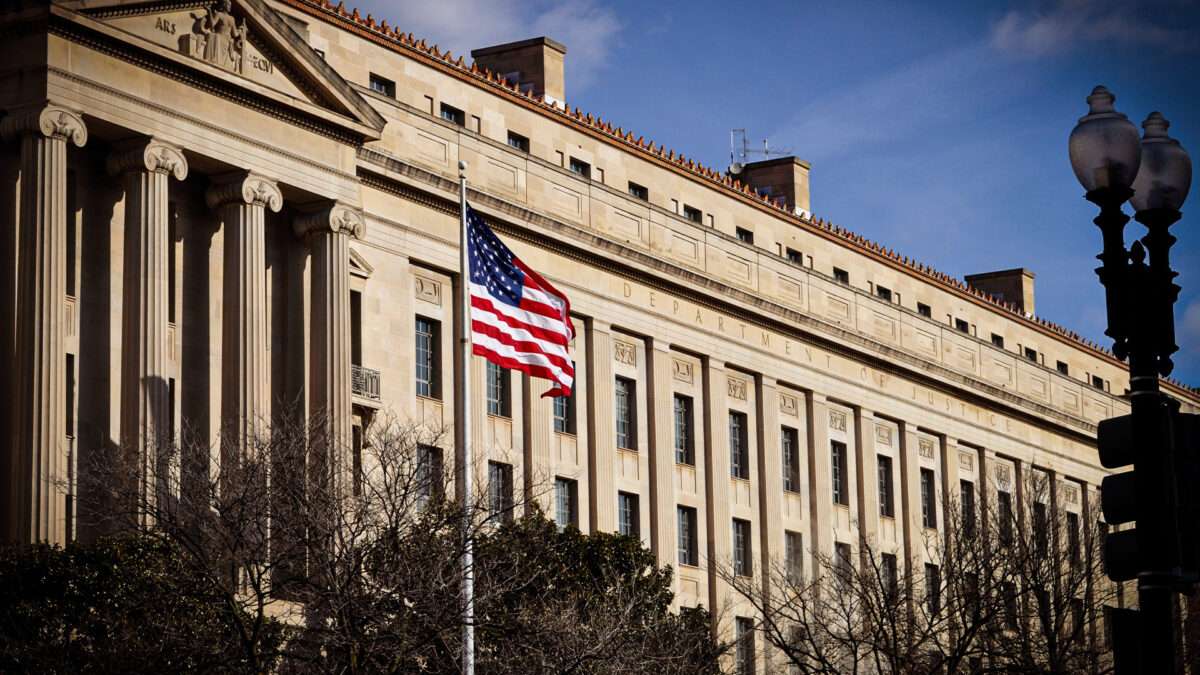
DOJ Brief Claims Anti-Weaponization Fund Was Politically Neutral; Trump's Recent Comments Contradict That Position
The Department of Justice filed a brief arguing that Trump's proposed Anti-Weaponization Fund is moot because it will not be implemented, and denying claims it was designed to benefit Trump supporters. However, Trump stated in a recent television interview that the fund would benefit people hurt by the "radical-left," directly contradicting the DOJ's legal position. The discrepancy highlights tensions between the administration's official legal arguments and the president's public statements about the fund's intended purpose.
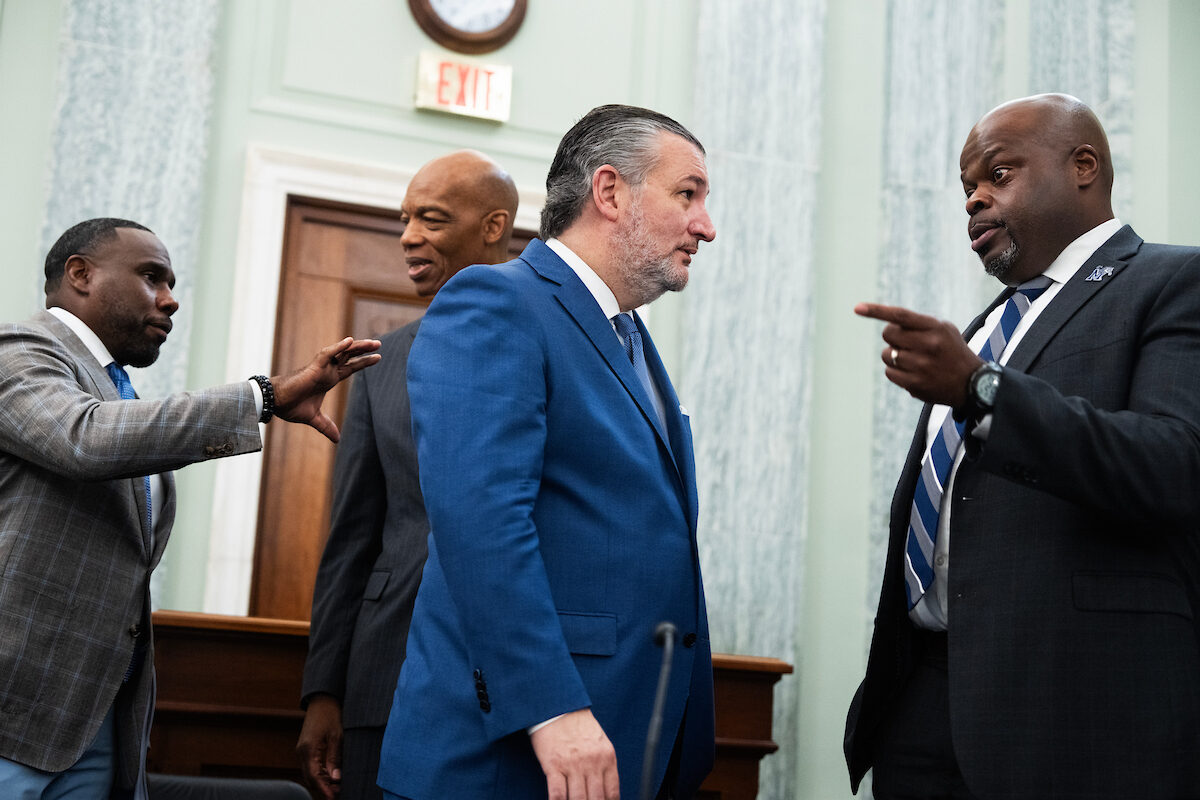
Bipartisan College Sports Reform Bill Creates Unusual Political Alliances
A Senate bill called the Protect College Sports Act, co-authored by Republican Ted Cruz and Democrat Maria Cantwell, is advancing with backing from President Trump and support from rival college football coaches. The legislation aims to regulate Name, Image, and Likeness (NIL) payments and restore order to college athletics amid skyrocketing costs and roster instability. The bill has created unusual cross-party and regional alliances, though it faces opposition from some conservatives and progressives, as well as divisions among conference leaders.