Democrats Reassess Foreign Policy Direction After Trump's 2024 Election Victory
Democratic foreign-policy leaders who shaped Biden's approach are facing calls from within their own party to step aside, with some senators arguing for a complete generational change in staffing. The party's traditional foreign-policy establishment has lost influence following Trump's reelection, the Afghanistan withdrawal, the Ukraine war's partisan polarization, and divisions over Gaza policy. Democrats now face the challenge of rebuilding a foreign-policy vision that can appeal to American voters while adapting to a world that no longer views Trumpism as a temporary aberration.
The Democratic Party's foreign-policy establishment, which coalesced during Trump's first term as a "shadow cabinet" to counter his approach, is now being rejected by elements within its own party. Key figures like Antony Blinken and Jake Sullivan, who became principal policymakers under Biden, are facing calls from Democratic senators to be replaced with new personnel. The article attributes this shift to multiple factors: Trump's 2024 reelection victory, the chaotic Afghanistan withdrawal, the Ukraine war becoming a source of partisan division, and deep Democratic divisions over Gaza policy following October 7. The author notes that allies no longer view Trumpism as a temporary aberration, and Beijing and Moscow are asserting themselves based on perceptions of American decline. Democrats now recognize they must rebuild their foreign-policy vision around demonstrating how global engagement serves American security and prosperity, rather than relying on appeals to international institutions and traditional alliances that failed to resonate with voters.
What's missing
The article does not provide specific details on what alternative foreign-policy positions some Democrats are proposing beyond mentions of 'a complete reset, especially on aid to Israel' and proposals that 'carry more than a whiff of Trumpism.' More concrete examples of these competing Democratic foreign-policy visions would strengthen the analysis.
What different sources said
- The AtlanticLeft
Can the Democrats Find a Foreign Policy?
Related
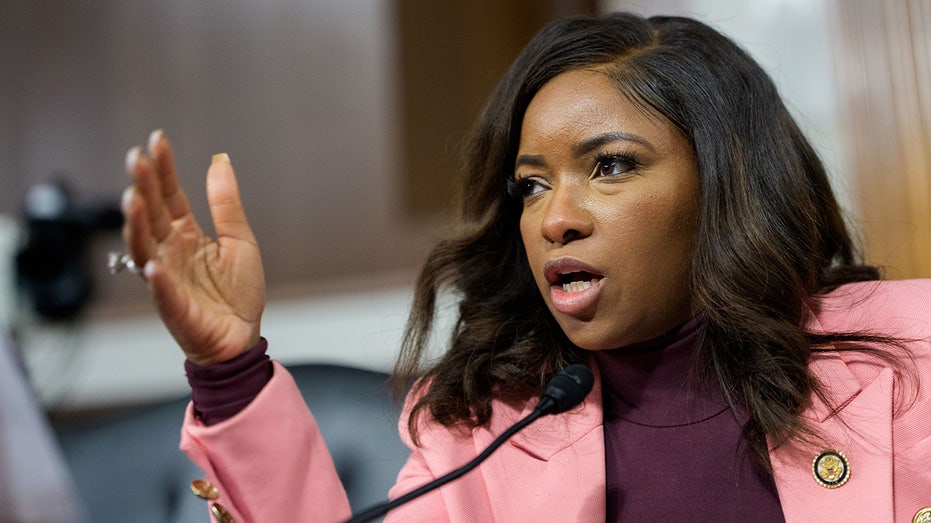
Rep. Crockett and Alveda King clash at Capitol Hill hearing on SPLC funding
During a House Judiciary Committee hearing on the Southern Poverty Law Center's funding practices, Rep. Jasmine Crockett criticized Republicans for what she called using Martin Luther King Jr.'s niece Alveda King as a 'prop' to deflect from racism allegations. Crockett accused the GOP of being predominantly white and unwelcoming to people of color, while Alveda King responded by asserting her legitimate place in the King family legacy. The exchange highlighted partisan disagreements over civil rights organizations and representation within the Republican Party.
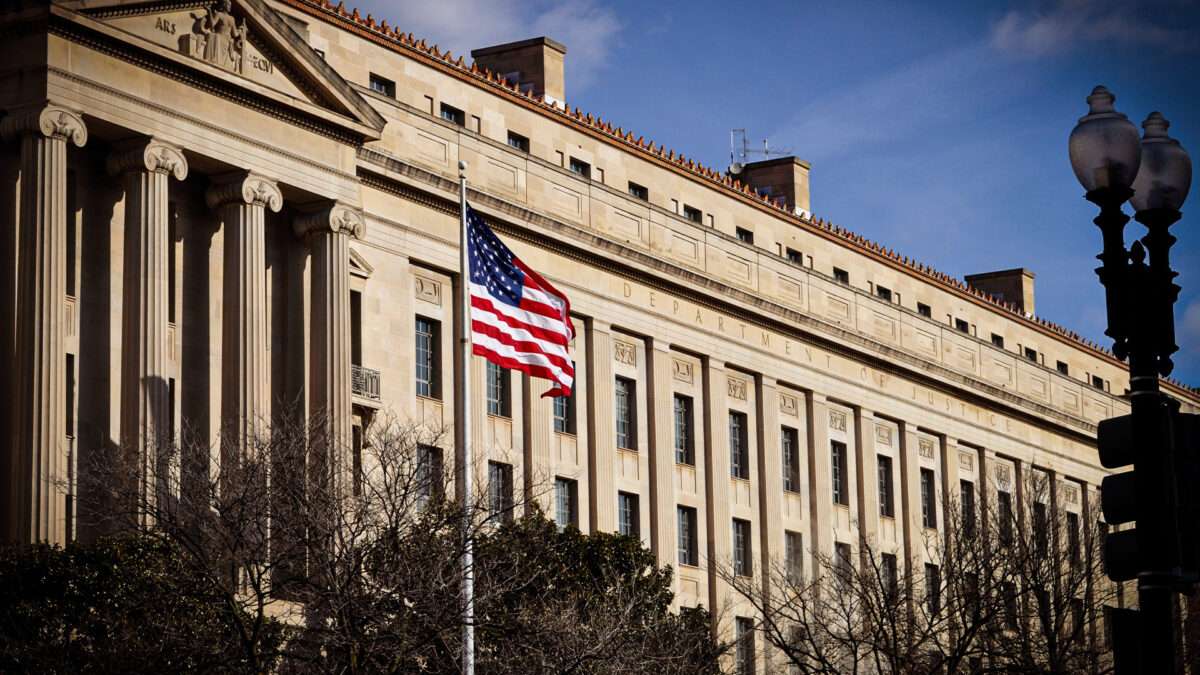
DOJ Brief Claims Anti-Weaponization Fund Was Politically Neutral; Trump's Recent Comments Contradict That Position
The Department of Justice filed a brief arguing that Trump's proposed Anti-Weaponization Fund is moot because it will not be implemented, and denying claims it was designed to benefit Trump supporters. However, Trump stated in a recent television interview that the fund would benefit people hurt by the "radical-left," directly contradicting the DOJ's legal position. The discrepancy highlights tensions between the administration's official legal arguments and the president's public statements about the fund's intended purpose.
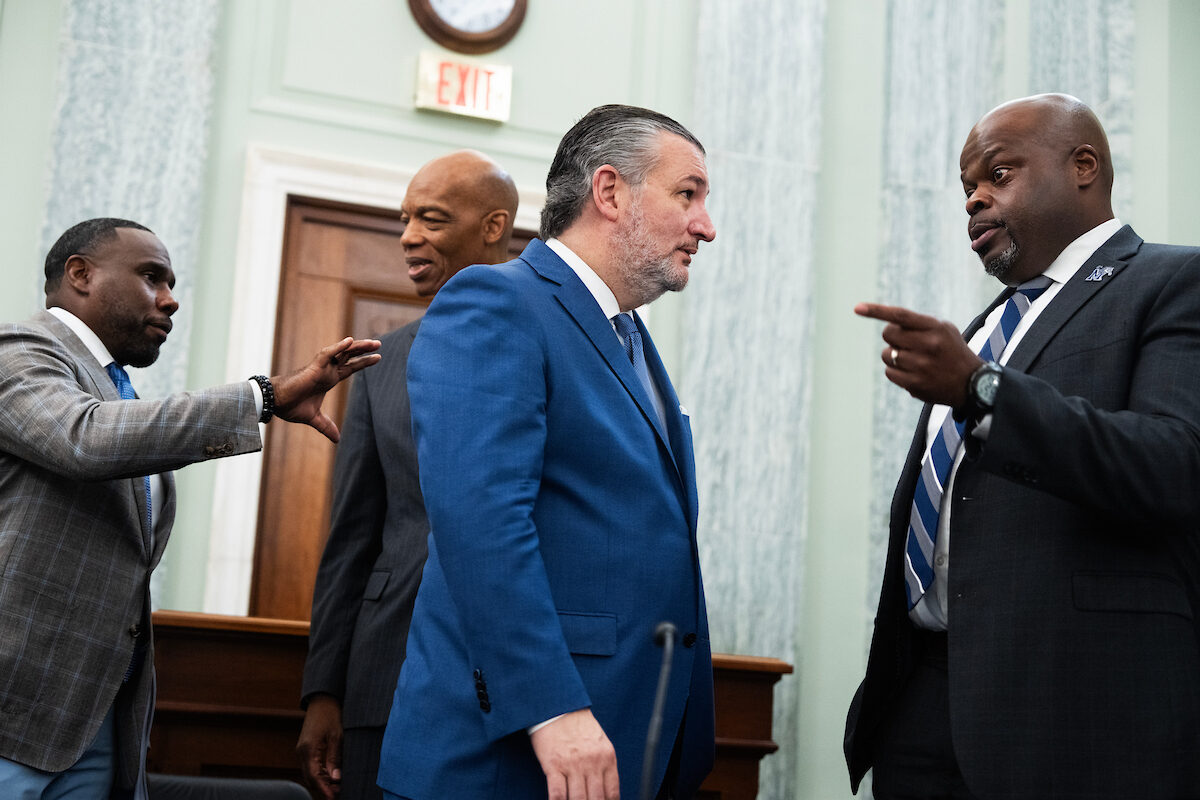
Bipartisan College Sports Reform Bill Creates Unusual Political Alliances
A Senate bill called the Protect College Sports Act, co-authored by Republican Ted Cruz and Democrat Maria Cantwell, is advancing with backing from President Trump and support from rival college football coaches. The legislation aims to regulate Name, Image, and Likeness (NIL) payments and restore order to college athletics amid skyrocketing costs and roster instability. The bill has created unusual cross-party and regional alliances, though it faces opposition from some conservatives and progressives, as well as divisions among conference leaders.