Debate Over Trying Juveniles as Adults Intensifies Despite Evidence of Effectiveness of Rehabilitation

Lawmakers in several states are pushing to make it easier to try juveniles as adults and impose harsher sentences, despite decades of research showing rehabilitation is more effective at reducing recidivism. The movement is driven by recent crime spikes and high-profile incidents of teen violence, reversing years of reform efforts. This matters because juvenile crime and arrests have fallen 75 percent since 1995, yet policy is moving toward stricter punishment rather than addressing root causes.
The article examines the case of four Indiana teenagers charged with felony murder after an unarmed burglary resulted in a death, with three tried as adults and sentenced to at least 50 years in prison. Indiana's Supreme Court later ruled one sentence disproportionate given adolescent brain development research, reducing convictions and ordering resentencing. Despite this precedent and decades of studies showing incarceration increases recidivism rates among juveniles, lawmakers in Missouri, the House, and other jurisdictions are recently moving to expand adult prosecution of minors as young as 12 or 14. The article notes that juvenile crime arrests have plummeted 75 percent since 1995, yet political pressure to impose harsher penalties resurges during crime upticks, prioritizing punitive measures over evidence-based approaches like therapy, mentors, and job training.
What different sources said
- The AtlanticLeft
Bad Ideas About Juvenile Crime That Won’t Go Away
Related
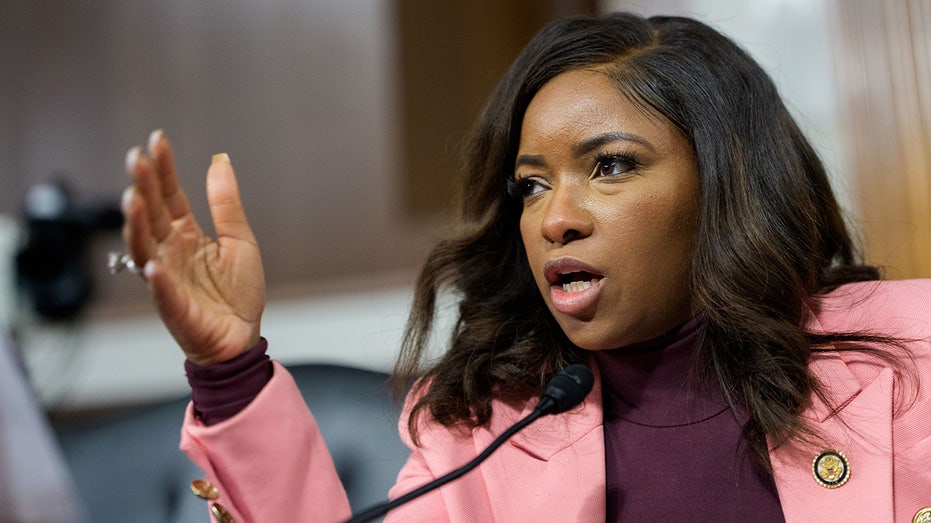
Rep. Crockett and Alveda King clash at Capitol Hill hearing on SPLC funding
During a House Judiciary Committee hearing on the Southern Poverty Law Center's funding practices, Rep. Jasmine Crockett criticized Republicans for what she called using Martin Luther King Jr.'s niece Alveda King as a 'prop' to deflect from racism allegations. Crockett accused the GOP of being predominantly white and unwelcoming to people of color, while Alveda King responded by asserting her legitimate place in the King family legacy. The exchange highlighted partisan disagreements over civil rights organizations and representation within the Republican Party.
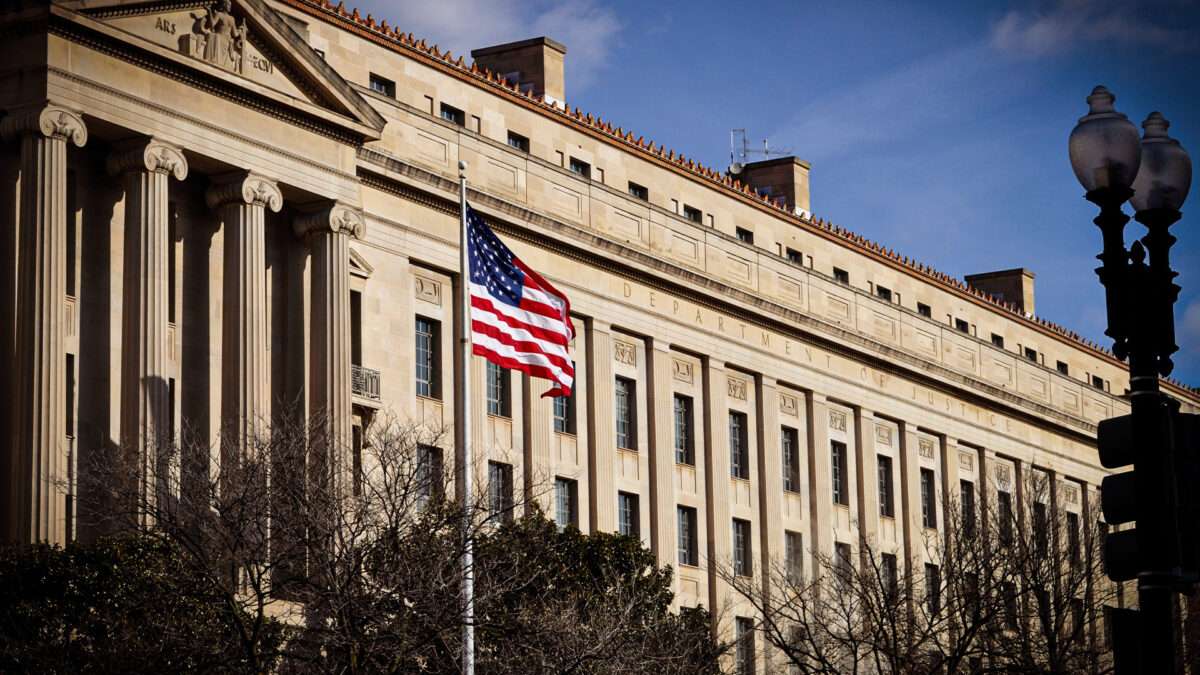
DOJ Brief Claims Anti-Weaponization Fund Was Politically Neutral; Trump's Recent Comments Contradict That Position
The Department of Justice filed a brief arguing that Trump's proposed Anti-Weaponization Fund is moot because it will not be implemented, and denying claims it was designed to benefit Trump supporters. However, Trump stated in a recent television interview that the fund would benefit people hurt by the "radical-left," directly contradicting the DOJ's legal position. The discrepancy highlights tensions between the administration's official legal arguments and the president's public statements about the fund's intended purpose.
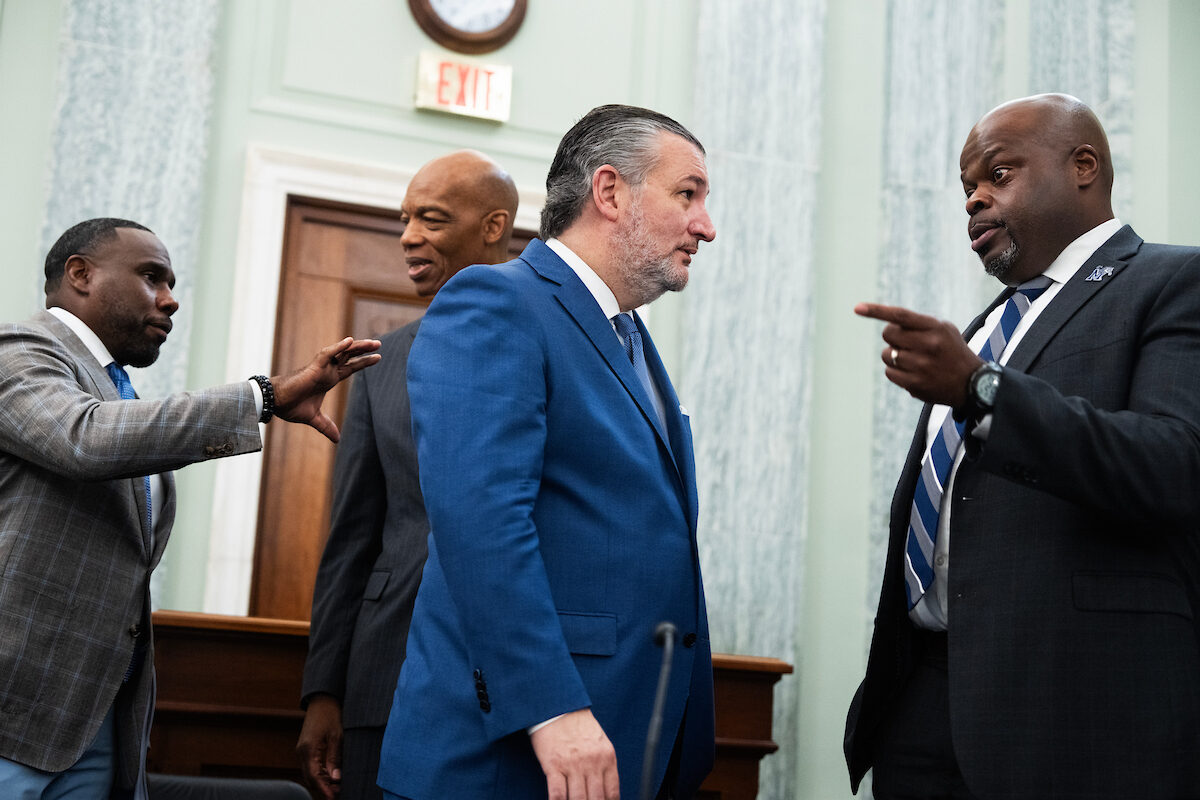
Bipartisan College Sports Reform Bill Creates Unusual Political Alliances
A Senate bill called the Protect College Sports Act, co-authored by Republican Ted Cruz and Democrat Maria Cantwell, is advancing with backing from President Trump and support from rival college football coaches. The legislation aims to regulate Name, Image, and Likeness (NIL) payments and restore order to college athletics amid skyrocketing costs and roster instability. The bill has created unusual cross-party and regional alliances, though it faces opposition from some conservatives and progressives, as well as divisions among conference leaders.