Constitutional Scholar Examines 'Good Behaviour' Standard for Federal Judges in Eleanor Ross Case
Legal ethics professor Michael Broyde argues that federal judges can lose tenure not only through criminal conviction but also by failing to meet the constitutional "good Behaviour" standard, citing the case of U.S. District Judge Eleanor Ross who engaged in misconduct in her chambers. Broyde distinguishes between the impeachment grounds in Article II ("high Crimes and Misdemeanors") and the tenure condition in Article III ("good Behaviour"), arguing these are separate constitutional standards. The analysis matters because it reframes the judicial accountability debate beyond criminal law to include fitness for office and public trust.
Professor Michael Broyde of Emory University, who teaches legal ethics, has published analysis of the Eleanor Ross case arguing that federal judges' life tenure is conditioned on "good Behaviour" as stated in Article III of the Constitution, not merely on avoiding criminal conviction. According to judicial misconduct materials, Ross engaged in an extramarital relationship with a law-enforcement officer involving sexual activity in her chambers during business hours, initially denied the relationship to investigators, and later admitted it. The misconduct created workplace concerns and potential conflicts of interest and blackmail vulnerability. While two Georgia Members of Congress introduced impeachment resolutions, Broyde argues the deeper constitutional question concerns whether the judge's conduct satisfies the "good Behaviour" condition for tenure, separate from whether it meets the "high Crimes and Misdemeanors" standard for impeachment. Broyde contends that judges occupy constitutional offices premised on public trust and impartiality, and that chambers are federal workplaces, not private spaces, making the distinction between private failing and constitutional violation relevant to judicial fitness.
What's missing
The article does not provide Eleanor Ross's response to the allegations or her perspective on the misconduct findings, nor does it detail the specific sanctions imposed beyond the private reprimand and apology letters mentioned.
What different sources said
- ReasonRight
Prof. Michael Broyde (Emory) on "When Judges Stop Behaving Well"
Related
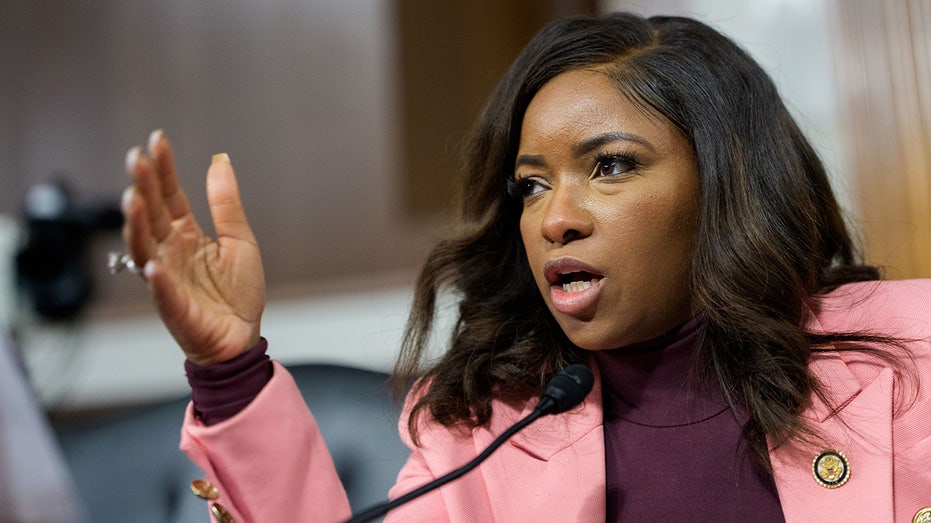
Rep. Crockett and Alveda King clash at Capitol Hill hearing on SPLC funding
During a House Judiciary Committee hearing on the Southern Poverty Law Center's funding practices, Rep. Jasmine Crockett criticized Republicans for what she called using Martin Luther King Jr.'s niece Alveda King as a 'prop' to deflect from racism allegations. Crockett accused the GOP of being predominantly white and unwelcoming to people of color, while Alveda King responded by asserting her legitimate place in the King family legacy. The exchange highlighted partisan disagreements over civil rights organizations and representation within the Republican Party.
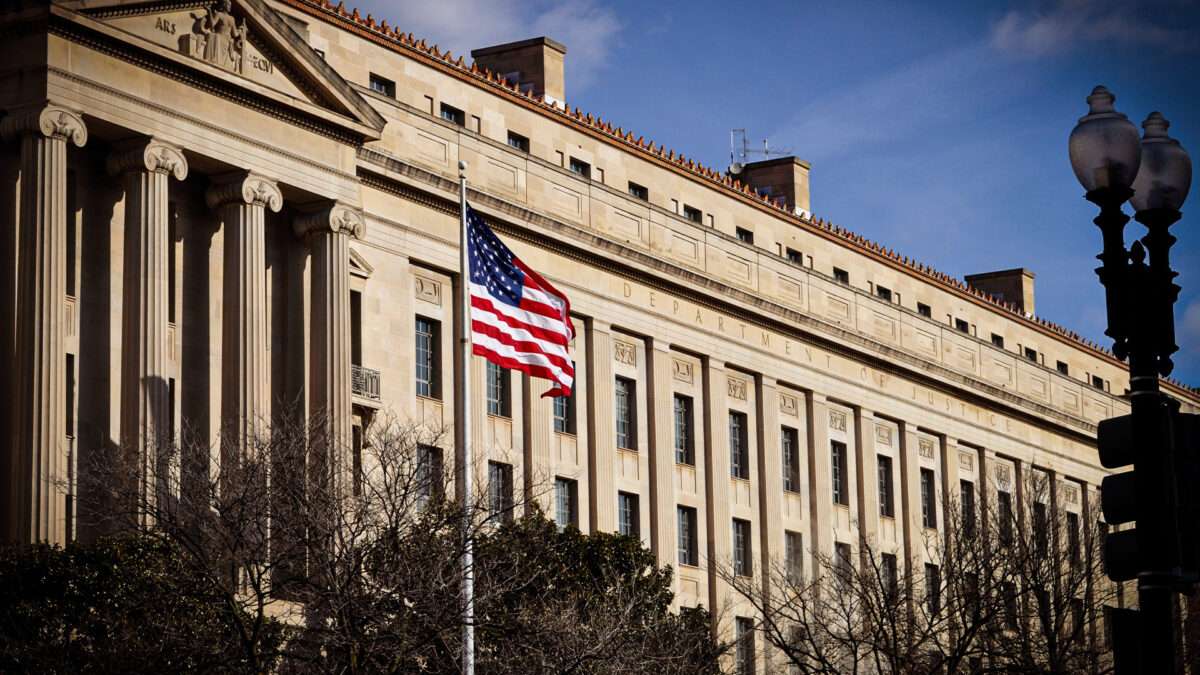
DOJ Brief Claims Anti-Weaponization Fund Was Politically Neutral; Trump's Recent Comments Contradict That Position
The Department of Justice filed a brief arguing that Trump's proposed Anti-Weaponization Fund is moot because it will not be implemented, and denying claims it was designed to benefit Trump supporters. However, Trump stated in a recent television interview that the fund would benefit people hurt by the "radical-left," directly contradicting the DOJ's legal position. The discrepancy highlights tensions between the administration's official legal arguments and the president's public statements about the fund's intended purpose.
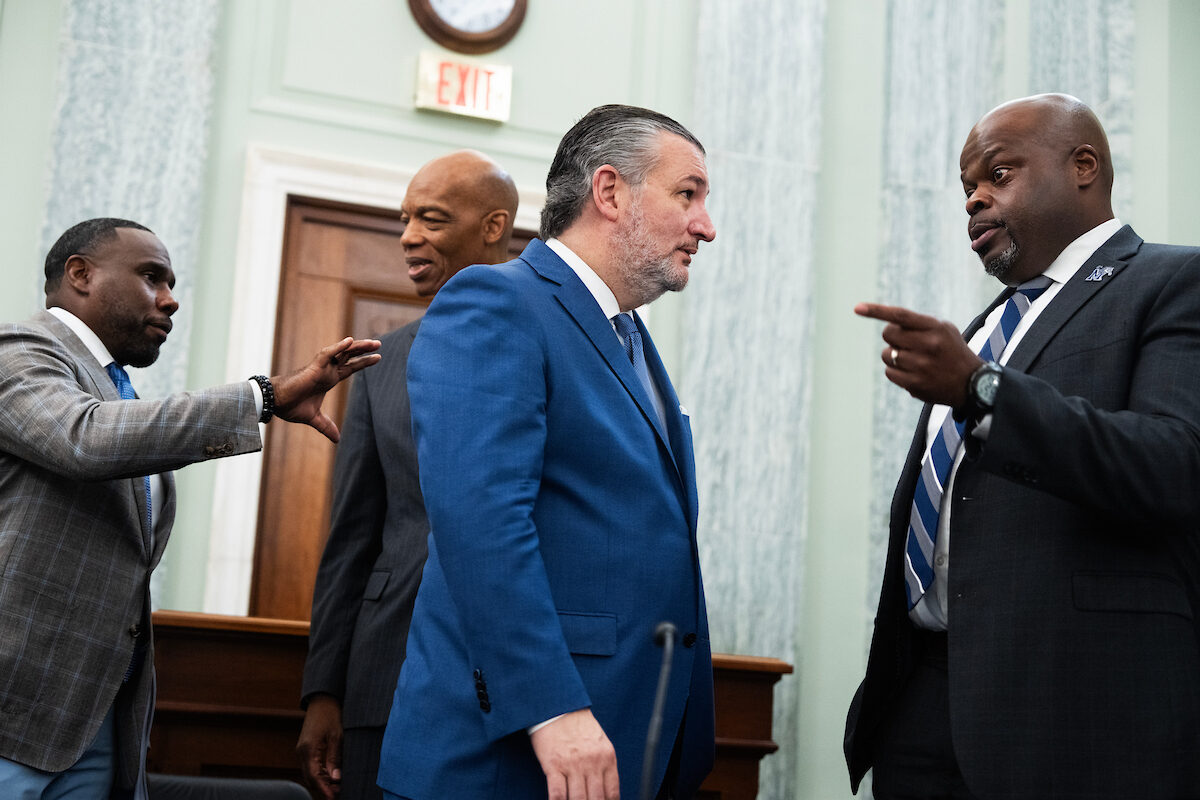
Bipartisan College Sports Reform Bill Creates Unusual Political Alliances
A Senate bill called the Protect College Sports Act, co-authored by Republican Ted Cruz and Democrat Maria Cantwell, is advancing with backing from President Trump and support from rival college football coaches. The legislation aims to regulate Name, Image, and Likeness (NIL) payments and restore order to college athletics amid skyrocketing costs and roster instability. The bill has created unusual cross-party and regional alliances, though it faces opposition from some conservatives and progressives, as well as divisions among conference leaders.