Civil Rights Complaint Challenges HHS Native Hawaiian Health Scholarship Program

A civil rights group filed a complaint with the Department of Health and Human Services alleging that the Native Hawaiian Health Scholarship Program, which has awarded hundreds of millions in full-ride scholarships to indigenous Hawaiian healthcare students since 1991, violates federal civil rights law by making awards based on race and ancestry. The complaint argues the program violates Title VI of the Civil Rights Act and the 14th Amendment's equal protection clause, claiming Native Hawaiians do not qualify for the special legal status that allows race-based federal benefits. HHS confirmed it is investigating the complaint, joining similar probes into other Biden-era healthcare training programs targeting minorities.
The Californians for Equal Rights Foundation filed a complaint with HHS's Office of Civil Rights challenging the constitutionality of the Native Hawaiian Health Scholarship Program, which has distributed hundreds of millions of dollars in full scholarships to over 300 indigenous Hawaiian students pursuing healthcare degrees since its 1991 establishment. The complaint contends that requiring applicants to "check a race or ancestry box" to receive federal aid violates Title VI of the Civil Rights Act, which prohibits excluding applicants from government programs based on race, color, or national origin, as well as the 14th Amendment's equal protection clause. The foundation's legal arguments, supported by constitutional law experts including Cornell University professor William Jacobson and Manhattan Institute attorney Ilya Shapiro, assert that federal law permits race-based benefits only under "highly unusual circumstances" and that Native Hawaiians, having remained part of Hawaii's political mainstream without separate governing structures, do not qualify as a tribe eligible for such protections. HHS confirmed in a June 1 letter that it is reviewing the complaint and investigating similar concerns about three Biden-era healthcare training grant programs restricted to minority applicants. The complaint reflects broader litigation strategy by groups promoting colorblind civil rights policies following the Supreme Court's 2023 decision striking down racial preferences in college admissions.
What's missing
The article does not include substantive response or counterarguments from HHS, Native Hawaiian advocacy organizations, or legal scholars who support the program's constitutionality. The historical and legal basis for federal recognition of Native Hawaiians' distinct status—including the Apology Resolution and the Native Hawaiian Government Reorganization Act—is not discussed. No information is provided about the program's stated outcomes or its role in addressing healthcare disparities in Native Hawaiian communities.
What different sources said
- Washington TimesRight
Civil rights complaint says HHS scholarship for Hawaiian natives violates federal laws
Related
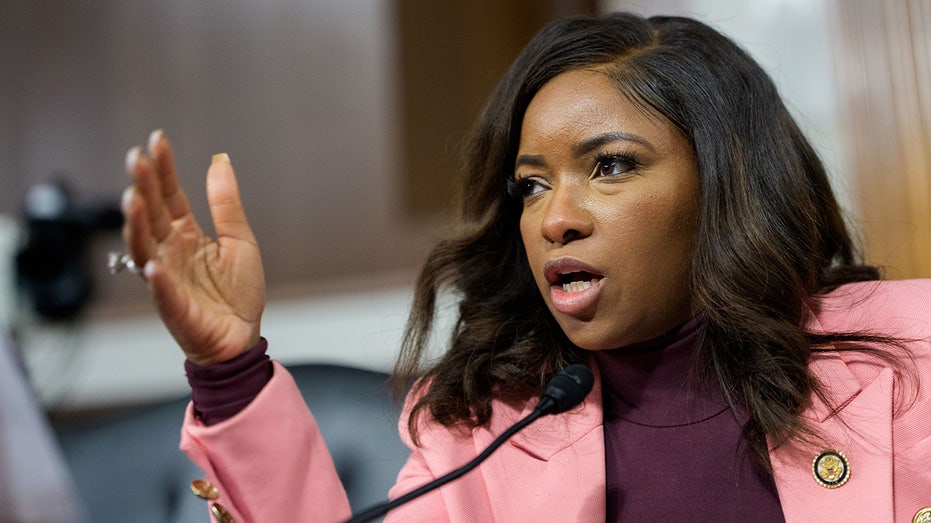
Rep. Crockett and Alveda King clash at Capitol Hill hearing on SPLC funding
During a House Judiciary Committee hearing on the Southern Poverty Law Center's funding practices, Rep. Jasmine Crockett criticized Republicans for what she called using Martin Luther King Jr.'s niece Alveda King as a 'prop' to deflect from racism allegations. Crockett accused the GOP of being predominantly white and unwelcoming to people of color, while Alveda King responded by asserting her legitimate place in the King family legacy. The exchange highlighted partisan disagreements over civil rights organizations and representation within the Republican Party.
DOJ Brief Claims Anti-Weaponization Fund Was Politically Neutral; Trump's Recent Comments Contradict That Position
The Department of Justice filed a brief arguing that Trump's proposed Anti-Weaponization Fund is moot because it will not be implemented, and denying claims it was designed to benefit Trump supporters. However, Trump stated in a recent television interview that the fund would benefit people hurt by the "radical-left," directly contradicting the DOJ's legal position. The discrepancy highlights tensions between the administration's official legal arguments and the president's public statements about the fund's intended purpose.
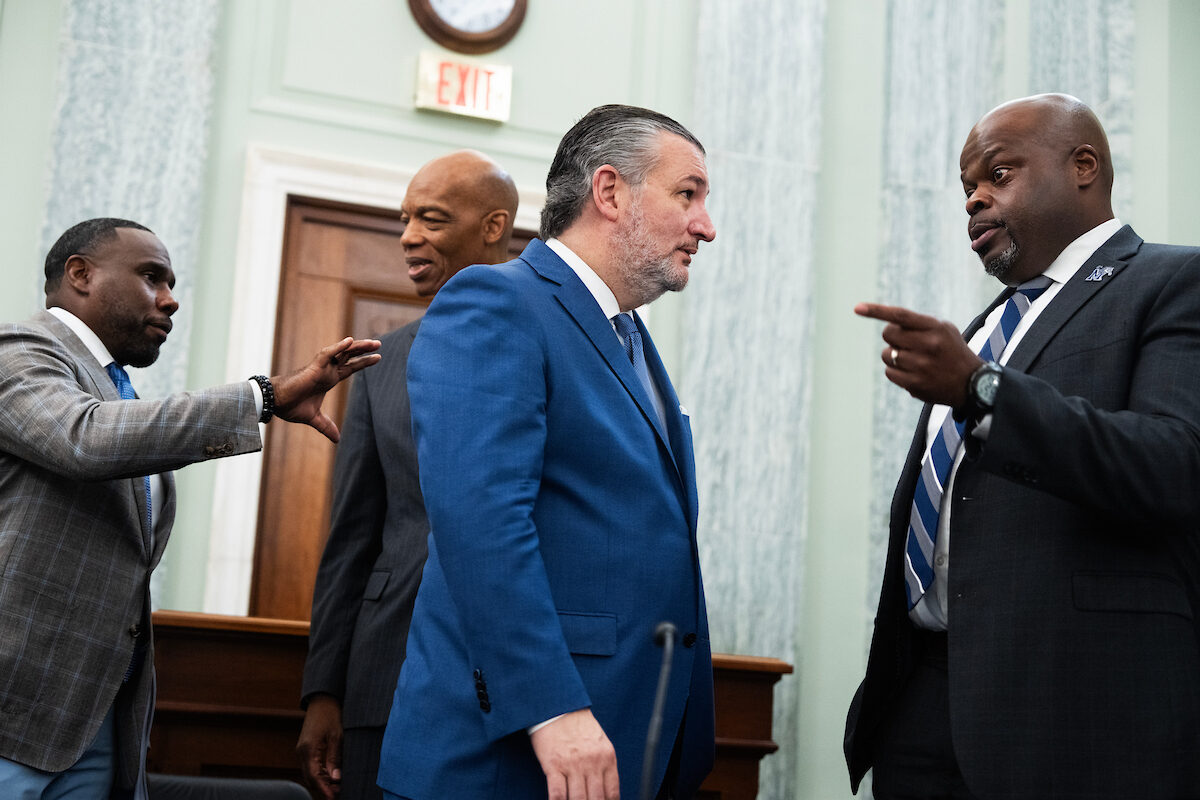
Bipartisan College Sports Reform Bill Creates Unusual Political Alliances
A Senate bill called the Protect College Sports Act, co-authored by Republican Ted Cruz and Democrat Maria Cantwell, is advancing with backing from President Trump and support from rival college football coaches. The legislation aims to regulate Name, Image, and Likeness (NIL) payments and restore order to college athletics amid skyrocketing costs and roster instability. The bill has created unusual cross-party and regional alliances, though it faces opposition from some conservatives and progressives, as well as divisions among conference leaders.