Challenges in Passing Online Safety Legislation to Protect Children from Social Media
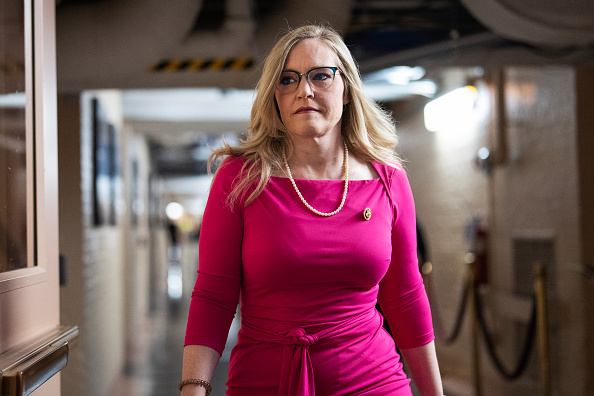
Rep. Erin Houchin (R-IN) has struggled to advance legislation banning social media use for children under 16, with her amendment failing to make it into a congressional online safety package. The effort faces resistance from multiple directions: tech industry lobbying, free speech concerns, parental rights arguments, and LGBTQ+ advocacy groups who view social media as a resource. The issue has gained international attention following Australia's ban on social media for under-18s, while the Trump administration has signaled skepticism about such regulatory approaches.
Rep. Erin Houchin has been attempting to advance legislation that would ban social media use for children under 16, but her amendment failed to be included in a congressional online safety package currently under consideration. Houchin, drawing on her personal experience as a parent whose teenage daughter circumvented parental controls on Instagram, argues that children are particularly vulnerable to peer pressure, eating disorders, and suicide risks on social media platforms. The current regulatory framework, the Children's Online Privacy Protection Act, was written in 1998 and sets the age threshold at 13—predating modern platforms like TikTok. Opposition to raising age restrictions comes from multiple quarters: tech companies spending over $100 million annually on federal lobbying, conservative arguments that parenting is a parental rather than state responsibility, free speech concerns, and progressive advocates who note that social media may be the only safe space for LGBTQ+ youth to seek advice. Australia recently became the first nation to implement an under-18 social media ban, drawing international attention, though the Trump administration has publicly opposed similar measures in Britain, arguing that technology solutions rather than broad bans are preferable.
What different sources said
- Washington ExaminerRight
Why is it so hard to persuade lawmakers to protect children online?
Related
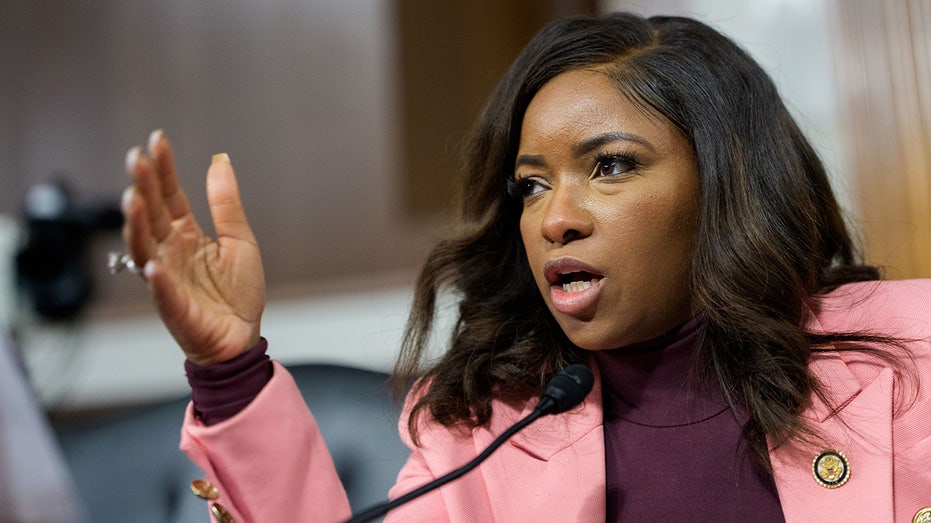
Rep. Crockett and Alveda King clash at Capitol Hill hearing on SPLC funding
During a House Judiciary Committee hearing on the Southern Poverty Law Center's funding practices, Rep. Jasmine Crockett criticized Republicans for what she called using Martin Luther King Jr.'s niece Alveda King as a 'prop' to deflect from racism allegations. Crockett accused the GOP of being predominantly white and unwelcoming to people of color, while Alveda King responded by asserting her legitimate place in the King family legacy. The exchange highlighted partisan disagreements over civil rights organizations and representation within the Republican Party.
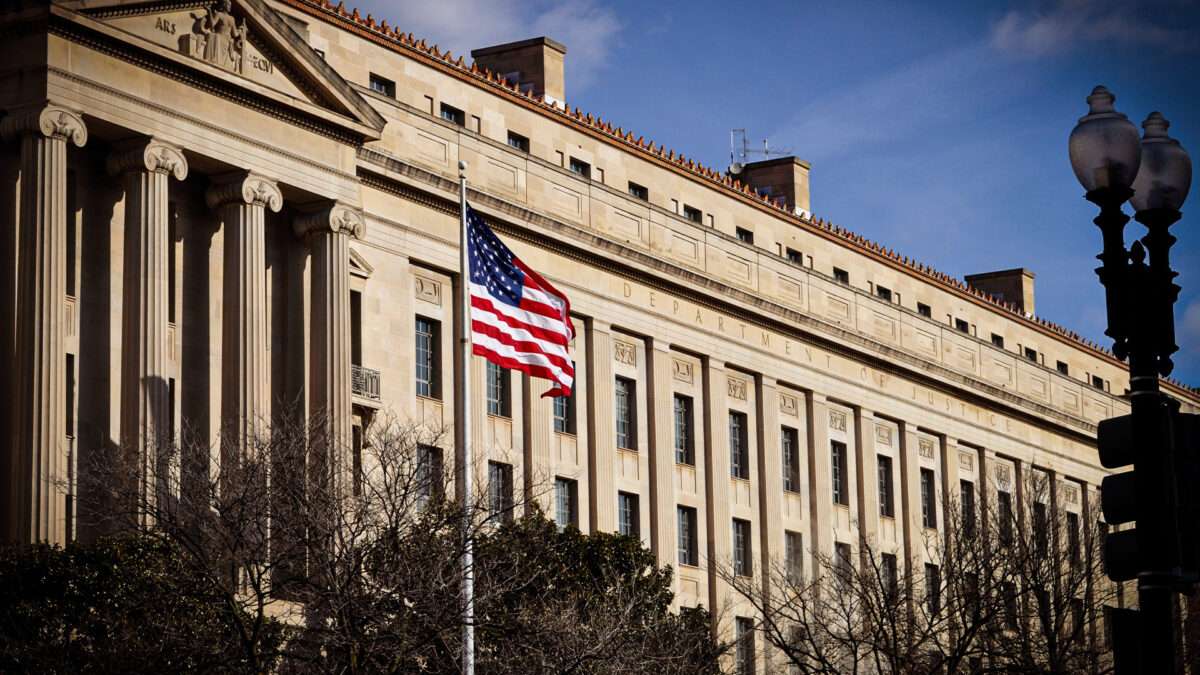
DOJ Brief Claims Anti-Weaponization Fund Was Politically Neutral; Trump's Recent Comments Contradict That Position
The Department of Justice filed a brief arguing that Trump's proposed Anti-Weaponization Fund is moot because it will not be implemented, and denying claims it was designed to benefit Trump supporters. However, Trump stated in a recent television interview that the fund would benefit people hurt by the "radical-left," directly contradicting the DOJ's legal position. The discrepancy highlights tensions between the administration's official legal arguments and the president's public statements about the fund's intended purpose.
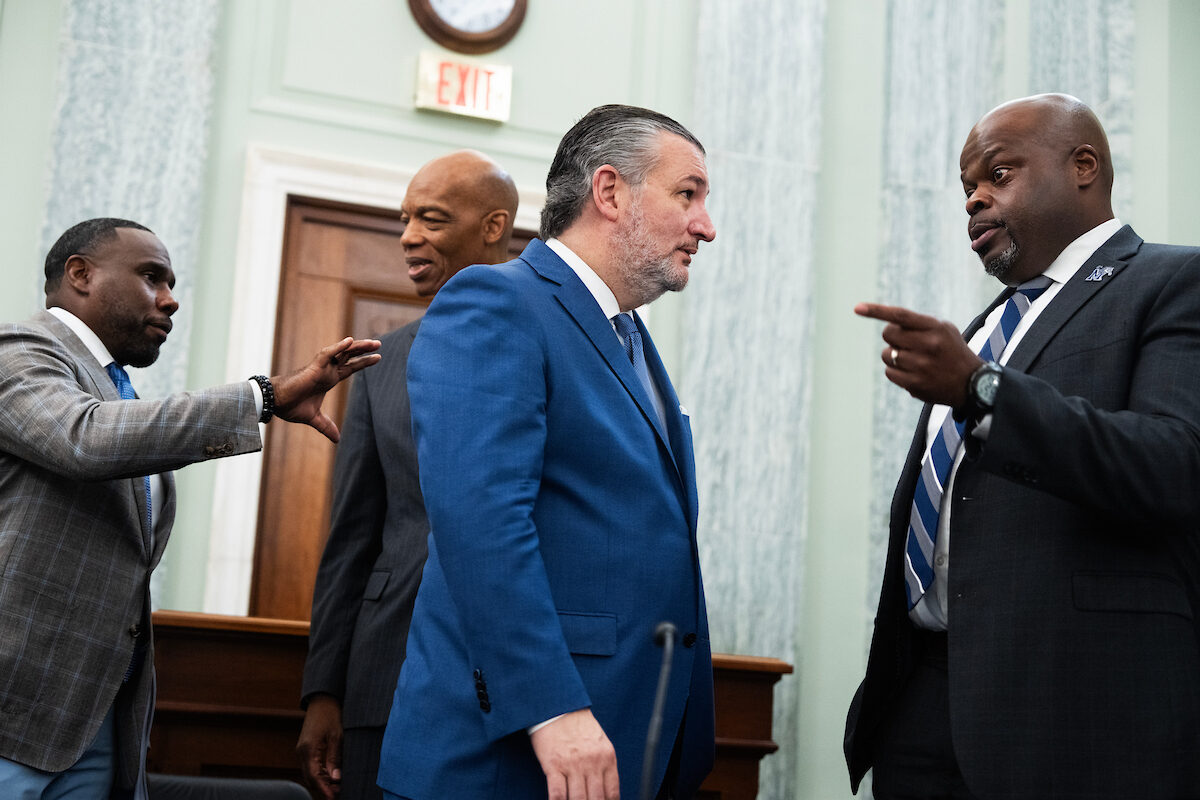
Bipartisan College Sports Reform Bill Creates Unusual Political Alliances
A Senate bill called the Protect College Sports Act, co-authored by Republican Ted Cruz and Democrat Maria Cantwell, is advancing with backing from President Trump and support from rival college football coaches. The legislation aims to regulate Name, Image, and Likeness (NIL) payments and restore order to college athletics amid skyrocketing costs and roster instability. The bill has created unusual cross-party and regional alliances, though it faces opposition from some conservatives and progressives, as well as divisions among conference leaders.