Why Flying Ants, Bees, and Beetles Enter Homes and How to Remove Them Humanely
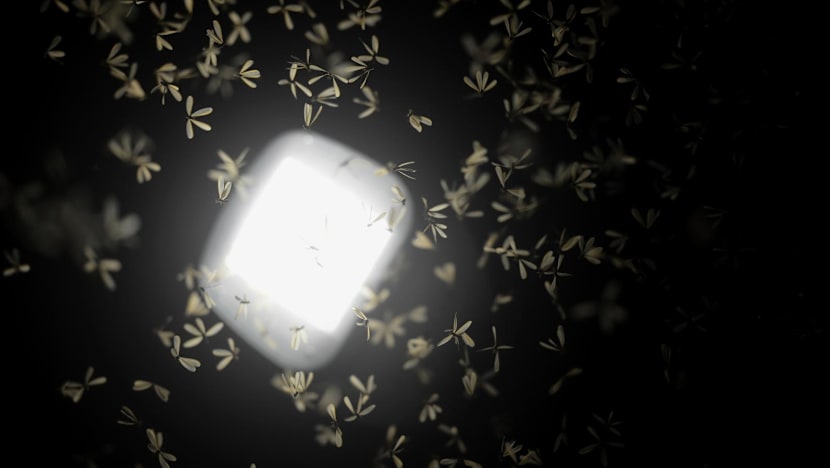
Insects such as flying ants, bees, and brown chafer beetles are drawn into homes by artificial light, food sources, warmth, and the search for nesting sites. Experts explain that many insects are simply disoriented by artificial lighting — a phenomenon known as the dorsal light response — causing them to fly erratically indoors, while others actively seek shelter or food. Understanding why insects enter homes can help residents remove them humanely rather than resorting to pesticides.
According to entomologists and science educators in Singapore, insects enter homes primarily due to food availability, shelter, nesting opportunities, and disorientation caused by artificial light. Flying ants, for example, mistake indoor lights for moonlight and swarm indoors at night, particularly after a hot dry spell followed by heavy rain that cools temperatures. Bees may enter homes while foraging for food near flowering plants or when scout bees seek new hive locations, while brown chafer beetles are attracted to artificial lights and fly erratically indoors. Cicadas, by contrast, tend to enter homes accidentally, confusing smooth walls for tree trunks. As shown in images of swarms near urban settings, these events can involve large numbers of insects appearing suddenly. Experts recommend humane removal methods such as opening windows during the day to let insects navigate by sunlight, switching off indoor lights at night to disorient light-attracted insects toward exits, or gently transferring sluggish insects into containers for outdoor release. To deter insects without harming them, window meshes and natural repellents such as peppermint oil, vinegar, or cinnamon sprayed on windowsills can be effective, and residents with bee or wasp hives are encouraged to contact professional beekeepers for humane relocation rather than pest exterminators who would kill the colonies.
Limitations & open questions
The article focuses on Singapore specifically; readers in other climates or regions may find the seasonal triggers, species references, and local service recommendations less applicable. Additionally, the article does not address potential health risks from stings for individuals with allergies, nor does it discuss how to identify whether a bee species is aggressive before attempting DIY removal.
What different sources said
- Channel NewsAsiaCenter
Why do flying ants, bees and beetles keep ending up in your home – and how do you get them out humanely?
Related
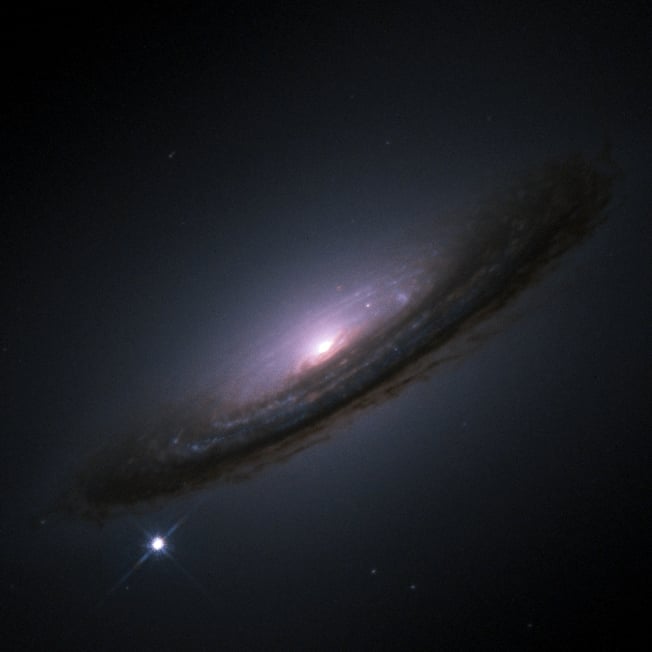
Nobel Laureates Rebut Study Claiming Universe's Expansion Is Slowing, Confirm Acceleration Continues
An international team of astrophysicists, including Nobel laureates Adam Riess and Brian Schmidt, has published a study in the Monthly Notices of the Royal Astronomical Society confirming that the universe's expansion is still accelerating. The rebuttal targets a late-2024 South Korean study that had claimed dark energy was weakening, a finding that would have overturned nearly three decades of cosmological understanding. The new study identifies two specific methodological errors in the earlier work, restoring confidence in the standard model of cosmic acceleration while leaving the deeper mystery of what dark energy actually is unresolved.

Study Finds Trees May Store Less Carbon Than Climate Models Predict
A new study published in Science Advances found that oak trees stop growing months before they stop photosynthesizing, meaning increased carbon uptake does not necessarily translate into more wood growth and long-term carbon storage. Researchers analyzed 137 sites across the US, finding that 26–36% of annual carbon uptake occurred after tree growth had already ceased, with drought and heat identified as key triggers for halting growth. The findings suggest that widely used climate models, which assume photosynthesis and growth are tightly linked, may be overestimating forests' future capacity to sequester carbon.
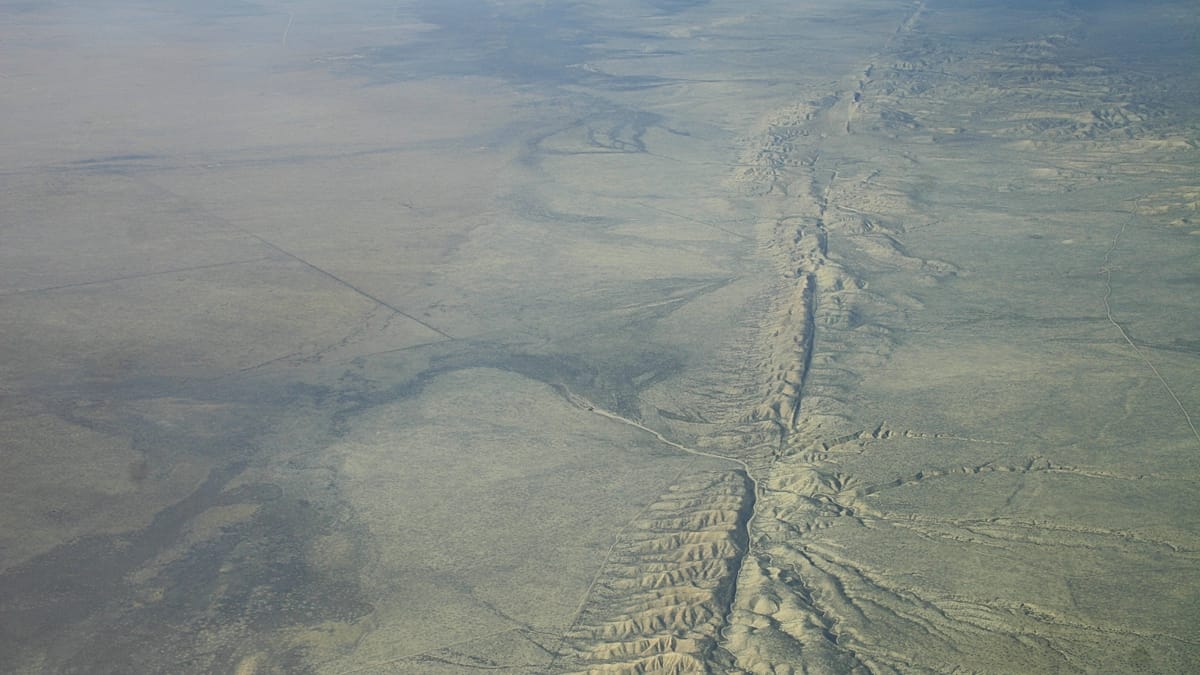
San Andreas Fault Stress Reaches Highest Level in 1,000 Years, Study Finds
A new peer-reviewed study finds that tectonic stress on Southern California's San Andreas and San Jacinto fault systems has reached its highest levels in at least 1,000 years, with the San Jacinto-Bernardino section measuring 3.6 megapascals. The research, led by the University of Hawaiʻi at Mānoa and published in the Journal of Geophysical Research: Solid Earth, used a computer model drawing on geological data including radiocarbon dating and tree-ring records to reconstruct a millennium of earthquake history. The findings cannot predict when a major earthquake will occur but are intended to improve hazard assessments, inform building codes, and guide emergency preparedness in a region home to millions.