US Shortens Critical Vulnerability Fix Window to Three Days Amid AI-Driven Cyber Threats

The U.S. Cybersecurity and Infrastructure Security Agency (CISA) issued a new directive requiring federal civilian agencies to fix the most critical software vulnerabilities within three days, down from the previous 15-day standard. The compressed timeline reflects concerns that artificial intelligence is accelerating both vulnerability discovery and exploitation by malicious actors. The directive aims to help agencies prioritize patching efforts while acknowledging that faster response times are necessary to defend against AI-enhanced cyber threats.
CISA released a binding operational directive on Wednesday establishing a tiered patching timeline based on vulnerability severity, with the most critical flaws requiring remediation within three calendar days. The directive replaces previous orders from 2019 and 2021 that allowed 15 and 30 days respectively for critical vulnerabilities. The urgency criteria include whether a vulnerability is publicly exposed, listed in CISA's Known Exploited Vulnerabilities Catalog, automatable by attackers, and what level of system access it grants. CISA officials cited advances in AI models that enable threat actors to discover and exploit vulnerabilities at scale, with historical data showing 42% of known exploited vulnerabilities are weaponized on day zero of disclosure. While the three-day deadline reflects the accelerated threat landscape, CISA acknowledged it was set at a feasible level for most agencies; less severe vulnerabilities have longer timelines of up to two months.
How coverage differed
Wired provides more technical depth on the directive's assessment criteria and includes expert commentary questioning whether patching alone is sufficient, while Channel NewsAsia offers a more straightforward reporting approach focused on the headline change and timeline compression.
What different sources said
- Channel NewsAsiaCenter
US shortens cyber fix window to three days as AI threats rise
- WiredLeft
CISA Tells US Agencies to Fix Security Bugs in as Little as 3 Days Thanks to AI Threats
Related
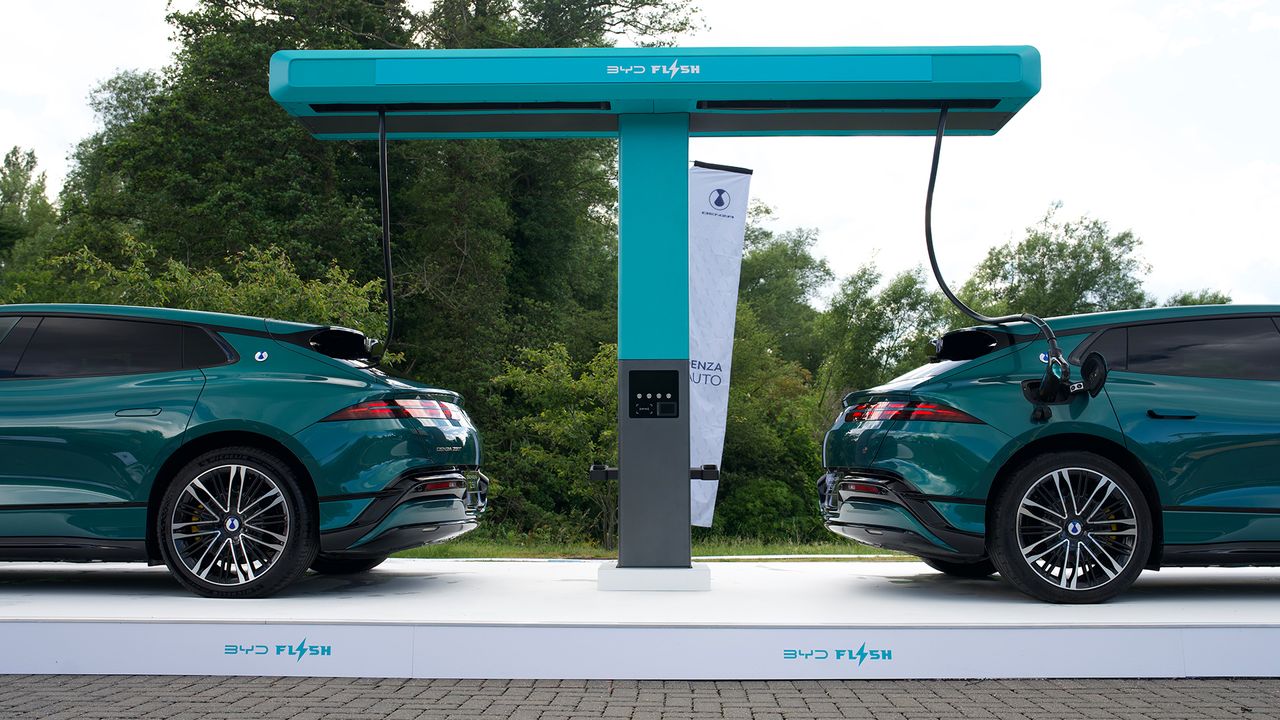
BYD Demonstrates Ultra-Fast 9-Minute EV Charging Technology at UK Headquarters
BYD showcased its Flash Charge technology at its West London headquarters, charging a Denza Z9 GT from 10% to nearly 100% in nine minutes using 1,500kW peak power. The system uses CCS 2 connectors compatible with most EVs and includes on-site battery storage to reduce grid demand. BYD plans to deploy 6,000 Flash Charging stalls globally by end of 2027, with 3,000 in Europe and 300 in the UK, potentially offering charging at under 50 pence per kilowatt-hour.

Anthropic's Claude Fable 5 Model Blocking Harmless User Requests with Overly Strict Safety Filters
Anthropic's newly released Claude Fable 5 AI model is refusing to respond to innocuous user prompts, including simple greetings like "hello," due to overly conservative safety guardrails. The company acknowledged the issue and stated that false positives occur in less than 5% of sessions, but has not provided exact refusal rates. The problem affects millions of users and has generated numerous bug reports and complaints from researchers and developers.

Open-Source Raspberry Pi Project Recreates Retro VCR Interface for Modern Media Playback
Developer Anthony Caccese has released 240-MP, an open-source Raspberry Pi project that creates a vintage VCR-style interface for playing local media files and Plex libraries on CRT or modern screens. The project runs on Raspberry Pi 4B, 3B+, and 3B models and supports navigation via remote control or keyboard. The tool addresses nostalgia for older display formats while enabling modern streaming functionality.