BYD Demonstrates Ultra-Fast 9-Minute EV Charging Technology at UK Headquarters
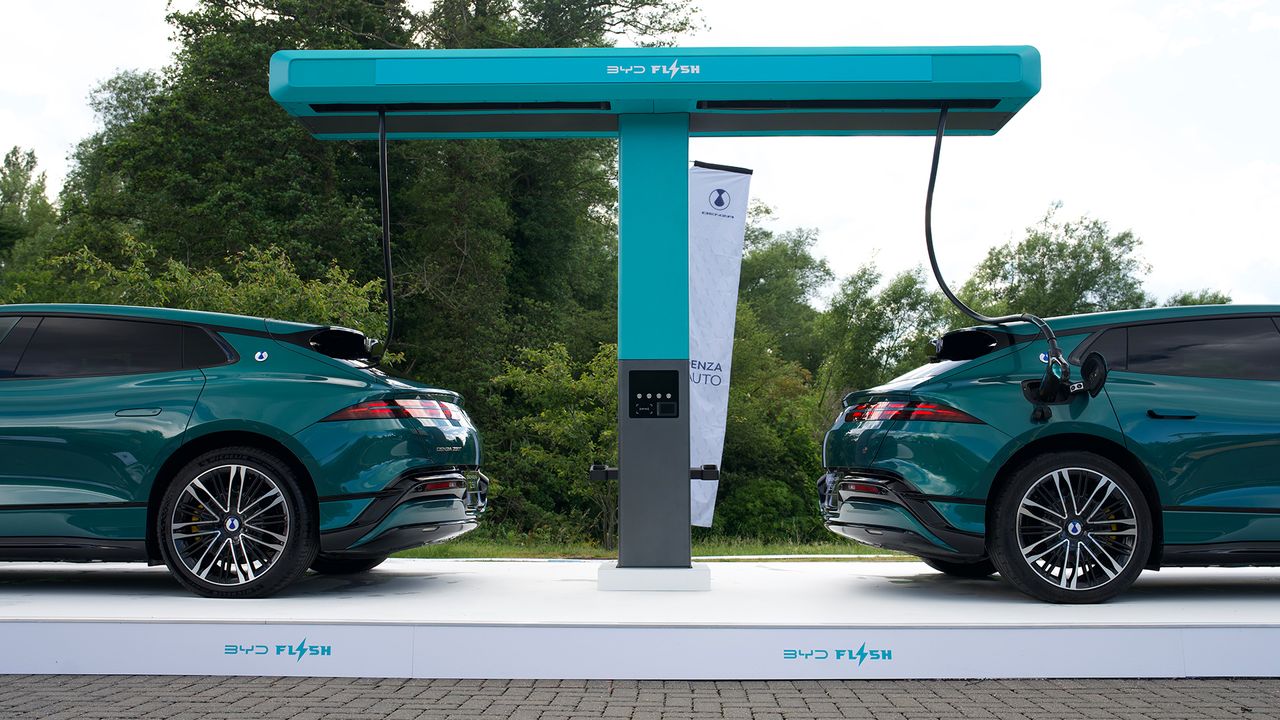
BYD showcased its Flash Charge technology at its West London headquarters, charging a Denza Z9 GT from 10% to nearly 100% in nine minutes using 1,500kW peak power. The system uses CCS 2 connectors compatible with most EVs and includes on-site battery storage to reduce grid demand. BYD plans to deploy 6,000 Flash Charging stalls globally by end of 2027, with 3,000 in Europe and 300 in the UK, potentially offering charging at under 50 pence per kilowatt-hour.
BYD demonstrated its next-generation Flash Charging technology at its UK headquarters, where journalists witnessed a Denza Z9 GT—a premium EV rival to the Porsche Taycan—charge from 10% to 97% in approximately nine minutes. The Flash chargers deliver peak power of 1,500kW, significantly exceeding current ultra-rapid chargers that typically peak at 350-400kW. The system uses standard CCS 2 connectors, making it compatible with most electric vehicles, and features specially designed overhead cable management resembling fuel pumps. Each charging stall includes a 400kW on-site battery stack that allows overnight charging during cheaper electricity hours, potentially reducing costs to customers. BYD plans a major European expansion with 6,000 stalls by end of 2027, including 3,000 in Europe and 300 in the UK, with pricing potentially reaching under 50 pence per kilowatt-hour—significantly cheaper than current public rapid chargers.
What's missing
The article does not specify which BYD models beyond the Denza Z9 GT will be compatible with Flash Charging technology in Europe, nor does it provide independent verification of the charging speeds or technical specifications from third-party sources. The long-term durability and battery degradation effects of repeated ultra-fast charging cycles are not discussed.
What different sources said
- TechRadarCenter
I’ve witnessed BYD fully charge its Denza Z9 GT in under 10 minutes, and it’s going to change how people view EVs
Related
Tech Companies Advancing Smart Glasses with AI Integration
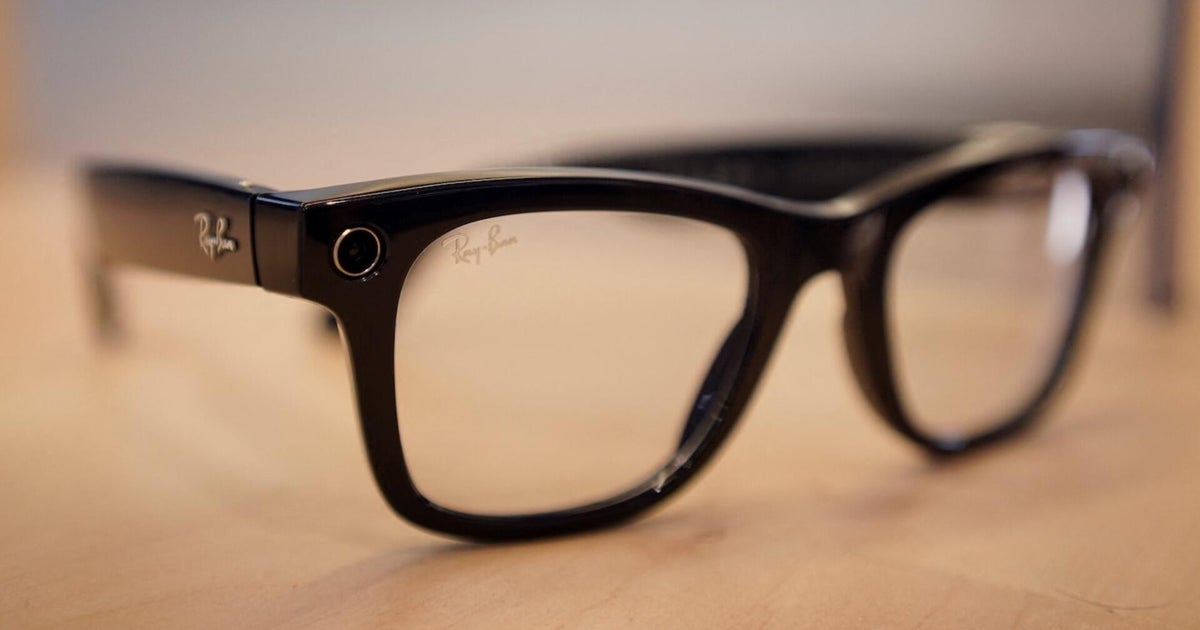
Major technology companies are developing smart glasses that incorporate artificial intelligence capabilities. The devices represent a growing trend in wearable technology as companies like Qualcomm position themselves in the emerging market. The development raises questions about both the potential benefits and concerns surrounding widespread adoption of AI-enabled wearables.
Anthropic CEO Warns AI Job Loss May Be 'Intrinsic' to Technology, Proposes Wealth Redistribution
Anthropic CEO Dario Amodei published a policy essay arguing that significant job displacement from AI may be an inherent feature of the technology rather than a temporary adjustment problem. He previously warned AI could eliminate half of entry-level white-collar jobs within five years and push unemployment to 10-20%. Amodei proposes government interventions including wage insurance, workforce training, and potentially universal basic income funded by taxes on AI companies to offset permanent job losses.

Andrew Yang Launches Noble Mobile Startup to Address Wealth Concentration Through Phone Usage Incentives
Andrew Yang has launched Noble Mobile, a startup that pays users to spend less time on their phones, as a practical response to automation and wealth concentration concerns he raised during his 2020 presidential campaign. The venture represents Yang's shift from political advocacy to entrepreneurial action, addressing what he sees as the "attention economy" problem. The move reflects growing mainstream concern about AI and automation's labor market impact, with figures like Sam Altman and Bernie Sanders now echoing similar warnings.