Study Shows Parental Genes Shape Environment in Ways That Rival Direct Inheritance
Two new studies find that parental influence on offspring traits extends well beyond directly inherited genes, operating through environmental shaping and molecular buffering mechanisms. A human genetics study published in Cell Genomics analyzed over 30,000 families and found that indirect parental genetic effects and parent-of-origin effects together rival a child's own DNA in influencing height, BMI, and school performance, while a separate animal study in burying beetles shows parental care itself acts as a 'genetic capacitor' that suppresses and releases heritable variation. Together, the findings suggest that standard genetic models significantly underestimate the role of parental factors in shaping offspring development and evolution.
Researchers at the Institute of Science and Technology Austria (ISTA) and the Norwegian Institute of Public Health developed a novel statistical framework to disentangle three distinct genetic pathways shaping children's traits: the child's own DNA, indirect effects from parental genes acting through the home environment (genetic nurture), and parent-of-origin effects where the same gene behaves differently depending on which parent transmitted it. Analyzing data from over 30,000 mother-father-child trios drawn from Norwegian and Estonian biobanks, the team found that while a child's own DNA remains the single largest genetic contributor to height, BMI, and age-10 school test scores, the combined indirect and parent-of-origin effects are comparably substantial. Notably, the same genomic loci appear to underlie both direct and indirect effects, suggesting the same DNA regions shape traits both through inheritance and through the environments parents create. The researchers also found evidence that genetic imprinting may be more widespread in humans than previously appreciated, though its molecular mechanisms remain poorly understood. A separate preprint study using the burying beetle Nicrophorus vespilloides as a model organism provides a complementary mechanistic picture: parental care suppresses heritable genetic variation in offspring body size, and removing care releases that variation, apparently by disrupting the protein chaperone Hsp83 and altering chromatin accessibility. Collectively, the two studies reinforce that the relationship between genes and traits is shaped by a layered system of parental influence operating at environmental, epigenetic, and molecular levels, with implications for personalized medicine, public health policy, and evolutionary biology.
Limitations & open questions
The human genetics study is limited to three traits (height, BMI, school test scores) and populations from Norway and Estonia, so generalizability to other traits, diseases, or non-European populations is unknown. The study cannot fully establish causal mechanisms linking specific parental genetic loci to particular environmental pathways. The burying beetle findings are from a preprint and have not yet undergone peer review, and it remains unclear how directly the Hsp83 capacitor mechanism translates to mammalian or human biology.
What different sources said
- Medical XpressCenter
Human traits beyond inherited genes can still leave a measurable imprint on your life, study shows
- bioRxivCenter
Parental care is a genetic capacitor
- News-MedicalCenter
Uninherited parental genes leave lasting imprint on children's lives
Related
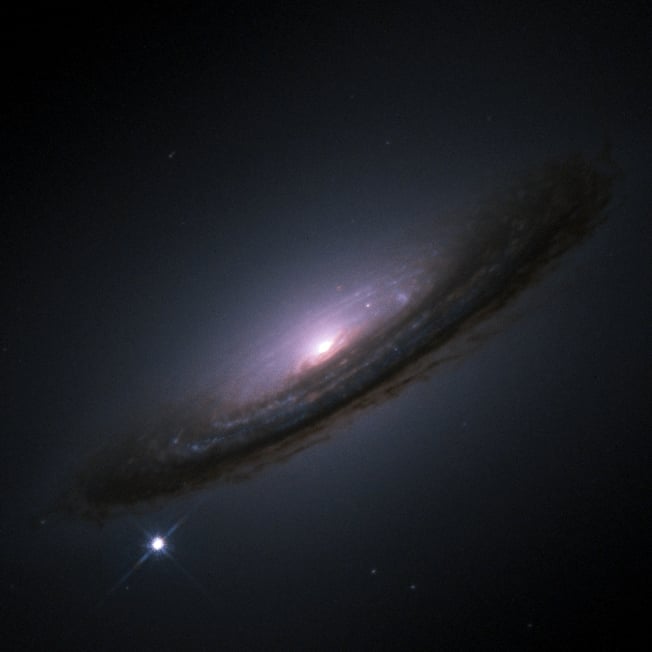
Nobel Laureates Rebut Study Claiming Universe's Expansion Is Slowing, Confirm Acceleration Continues
An international team of astrophysicists, including Nobel laureates Adam Riess and Brian Schmidt, has published a study in the Monthly Notices of the Royal Astronomical Society confirming that the universe's expansion is still accelerating. The rebuttal targets a late-2024 South Korean study that had claimed dark energy was weakening, a finding that would have overturned nearly three decades of cosmological understanding. The new study identifies two specific methodological errors in the earlier work, restoring confidence in the standard model of cosmic acceleration while leaving the deeper mystery of what dark energy actually is unresolved.

Study Finds Trees May Store Less Carbon Than Climate Models Predict
A new study published in Science Advances found that oak trees stop growing months before they stop photosynthesizing, meaning increased carbon uptake does not necessarily translate into more wood growth and long-term carbon storage. Researchers analyzed 137 sites across the US, finding that 26–36% of annual carbon uptake occurred after tree growth had already ceased, with drought and heat identified as key triggers for halting growth. The findings suggest that widely used climate models, which assume photosynthesis and growth are tightly linked, may be overestimating forests' future capacity to sequester carbon.
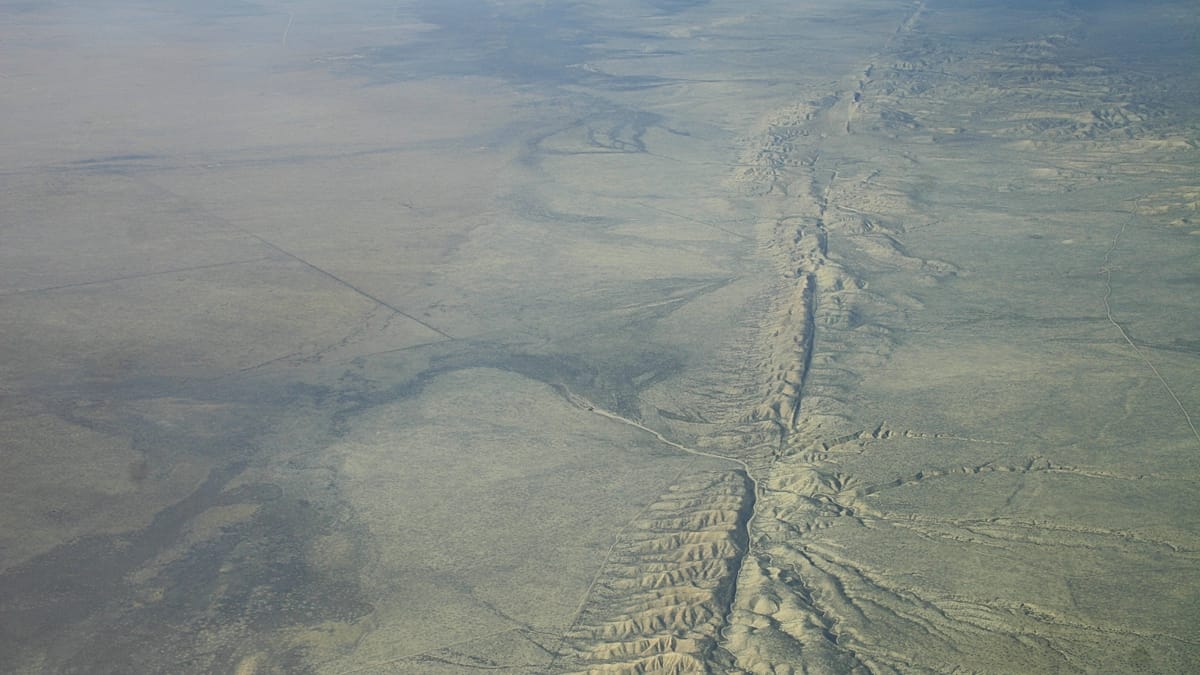
San Andreas Fault Stress Reaches Highest Level in 1,000 Years, Study Finds
A new peer-reviewed study finds that tectonic stress on Southern California's San Andreas and San Jacinto fault systems has reached its highest levels in at least 1,000 years, with the San Jacinto-Bernardino section measuring 3.6 megapascals. The research, led by the University of Hawaiʻi at Mānoa and published in the Journal of Geophysical Research: Solid Earth, used a computer model drawing on geological data including radiocarbon dating and tree-ring records to reconstruct a millennium of earthquake history. The findings cannot predict when a major earthquake will occur but are intended to improve hazard assessments, inform building codes, and guide emergency preparedness in a region home to millions.