Study reveals significant differences between American and Chinese vaginal microbiomes
Chinese researchers have published the world's most comprehensive genomic catalog of the human vaginal microbiome, built from over 10,665 Chinese samples and integrated with global data, revealing significant population-level differences between Chinese and American women. The study, published in Nature Genetics, found that BVAB1—a bacterium linked to bacterial vaginosis and preterm birth—is far more prevalent and carries greater virulence-related genetic features in American women than in Chinese women. The findings challenge universal treatment approaches and establish a foundational resource for reproductive health research across diverse populations.
The Peacock Project, led by BGI-Research and collaborating Chinese institutions, sequenced cervicovaginal samples from 10,665 Chinese women across Beijing, Shenzhen, and Suzhou, integrating these with 2,967 publicly available metagenomes from the US, France, and other countries to construct the Global Vaginal Metagenome-Assembled Genomes (GVMG) catalog. The resulting repository contains 65,055 microbial genomes—including 890 prokaryotic species, 6,577 viral operational taxonomic units, and 11 fungal species—representing a 1.9-fold expansion over the previous largest catalog and the most comprehensive genomic resource of the human vaginal microbiome to date. A key finding is that BVAB1, a bacterium associated with vaginal dysbiosis and preterm birth risk, was present in 12.4% of US samples but only 0.46% of Chinese samples, and American BVAB1 strains carried significantly more virulence-related biosynthetic gene clusters, including toxin production and adhesion genes. The study also performed a metagenome genome-wide association study (M-GWAS) on nearly 7,000 participants, identifying 18 genetic loci linked to specific vaginal microbes, with the strongest association between the opioid receptor gene OPRK1 and Ureaplasma urealyticum. Intraspecies phylogenetic analysis confirmed that most vaginal bacterial species show significant geographic genetic divergence between Chinese and American populations, with non-Lactobacillus species showing the strongest population stratification. The researchers argue these findings underscore the need for population-specific diagnostic and therapeutic approaches to vaginal health.
Data: Nature (article figures)
Limitations & open questions
The study's own limitations include that the Chinese cohort skews toward older, clinic-attending or cancer-screening women (mean ages 31–51 years depending on subcohort), which may not represent the general Chinese female population. The M-GWAS findings are based exclusively on Chinese participants, so the host genetic associations identified may not generalize to other ethnic groups. The authors note that vaginal virome accumulation curves have not yet plateaued, meaning substantial undiscovered viral diversity likely remains. Causal mechanisms linking identified host genetic loci to specific microbial taxa remain unestablished and require experimental follow-up.
How coverage differed
The South China Morning Post framed the study primarily through the lens of US-China health disparities and the practical need for localized treatments, emphasizing the virulence of BVAB1 in American women. Nature Genetics presented the full technical scope of the research, including catalog construction methodology, host genetics associations, and viral ecology, with no comparative framing between populations beyond the data itself.
What different sources said
- Nature NewsCenter
Genomic landscape of the human vaginal microbiome is linked to host genetics and population of origin
- South China Morning PostCenter
US-China vaginal microbiome differences challenge ‘one-size-fits-all’ health solutions
Related
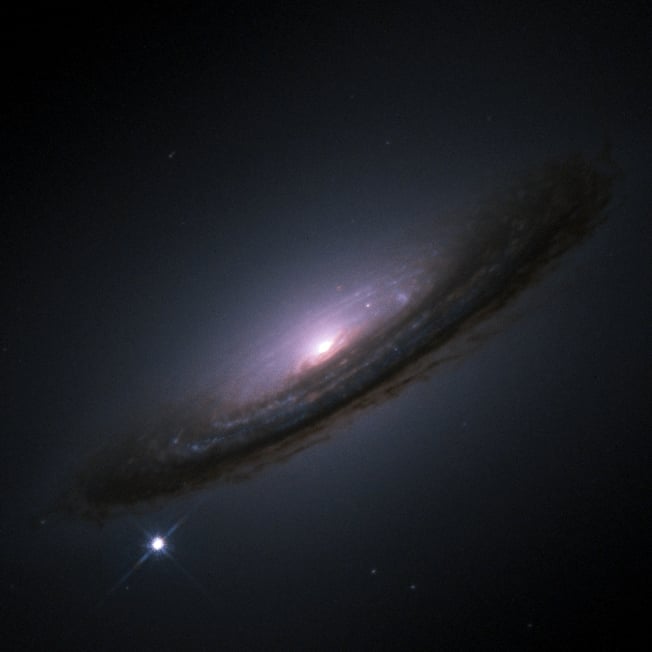
Nobel Laureates Rebut Study Claiming Universe's Expansion Is Slowing, Confirm Acceleration Continues
An international team of astrophysicists, including Nobel laureates Adam Riess and Brian Schmidt, has published a study in the Monthly Notices of the Royal Astronomical Society confirming that the universe's expansion is still accelerating. The rebuttal targets a late-2024 South Korean study that had claimed dark energy was weakening, a finding that would have overturned nearly three decades of cosmological understanding. The new study identifies two specific methodological errors in the earlier work, restoring confidence in the standard model of cosmic acceleration while leaving the deeper mystery of what dark energy actually is unresolved.

Study Finds Trees May Store Less Carbon Than Climate Models Predict
A new study published in Science Advances found that oak trees stop growing months before they stop photosynthesizing, meaning increased carbon uptake does not necessarily translate into more wood growth and long-term carbon storage. Researchers analyzed 137 sites across the US, finding that 26–36% of annual carbon uptake occurred after tree growth had already ceased, with drought and heat identified as key triggers for halting growth. The findings suggest that widely used climate models, which assume photosynthesis and growth are tightly linked, may be overestimating forests' future capacity to sequester carbon.
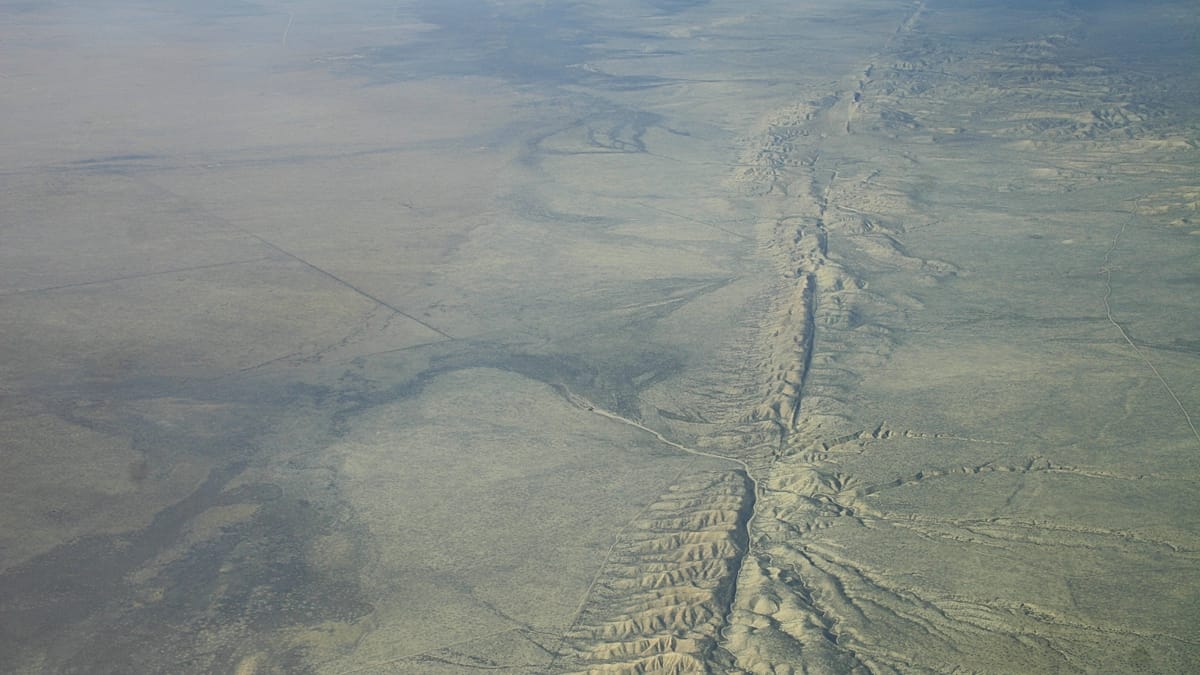
San Andreas Fault Stress Reaches Highest Level in 1,000 Years, Study Finds
A new peer-reviewed study finds that tectonic stress on Southern California's San Andreas and San Jacinto fault systems has reached its highest levels in at least 1,000 years, with the San Jacinto-Bernardino section measuring 3.6 megapascals. The research, led by the University of Hawaiʻi at Mānoa and published in the Journal of Geophysical Research: Solid Earth, used a computer model drawing on geological data including radiocarbon dating and tree-ring records to reconstruct a millennium of earthquake history. The findings cannot predict when a major earthquake will occur but are intended to improve hazard assessments, inform building codes, and guide emergency preparedness in a region home to millions.