Study Reveals How Cellular Waste Buildup in Brain Contributes to Aging and Neurodegeneration
Researchers have identified how the accumulation of cellular waste called lipofuscin in neurons contributes to aging and neurodegenerative disease. When neurons lose their ability to recycle waste—either through aging or genetic mutations—toxic buildup occurs that impairs brain function. Understanding this mechanism could lead to better treatments for age-related neurological diseases.
Scientists have made progress in understanding how cellular waste accumulates in the brain during aging and neurodegeneration. Neurons normally recycle cellular waste to maintain proper function, but this recycling process deteriorates with age or due to harmful genetic mutations. When this recycling fails, pigmented material called lipofuscin builds up to toxic levels. Researchers believe that studying how lipofuscin forms could provide insights into the fundamental aging process and help explain how age-related neurodegenerative diseases develop and progress. This understanding may eventually inform new therapeutic approaches to prevent or slow neurological decline.
Limitations & open questions
The article does not specify which research institution conducted this study, when the findings were published, or what specific experimental methods were used to observe lipofuscin formation.
What different sources said
- Medical XpressCenter
How waste build-up in the brain occurs in aging and neurodegeneration
Related

Study Suggests Acoustic Environment Influences Which Bird Songs Persist Over Time
Research indicates that the acoustic properties of a bird's environment may determine which songs survive and are passed down through generations. Bird songs are learned behaviors similar to human language, involving listening, imitation, and practice rather than being purely instinctual. Understanding how environmental acoustics shape bird communication could reveal principles about how learned vocalizations evolve and persist in nature.
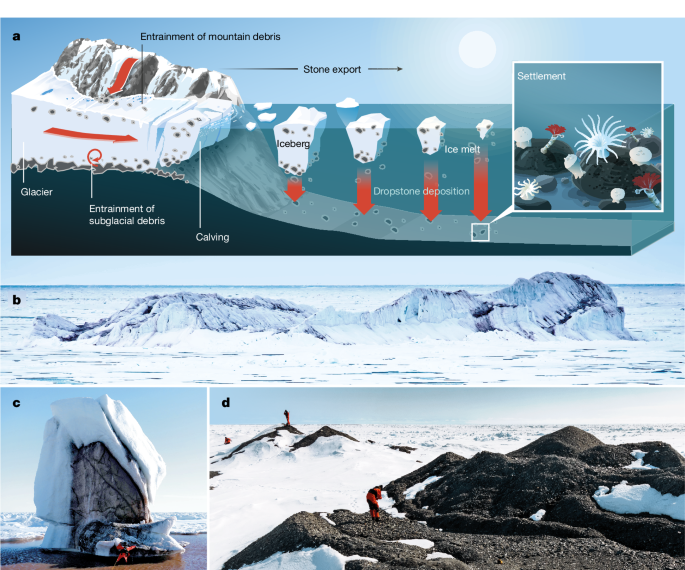
Arctic Iceberg Traffic Intensifies, Reshaping Deep-Sea Ecosystems
A long-term monitoring study in the Arctic's Fram Strait reveals increasing numbers of icebergs delivering glacial debris to the deep seafloor, altering benthic biodiversity patterns. The research combines 40 years of ship observations, satellite tracking, and direct seafloor monitoring to document this shift. Understanding these changes is critical as Arctic warming accelerates glacial melt and human activity in previously inaccessible regions.
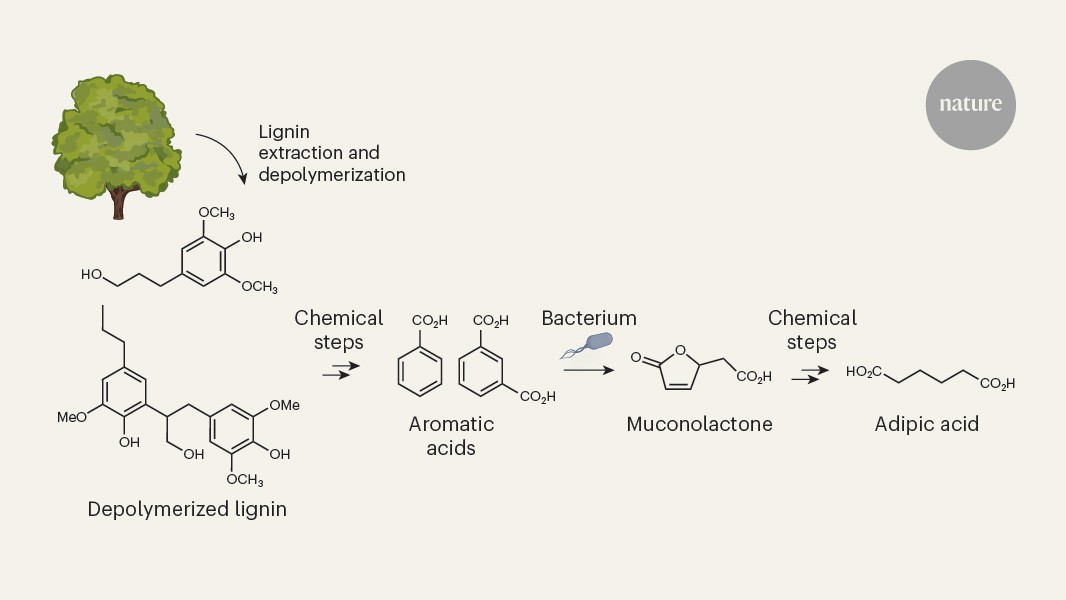
Hybrid chemical-biological process converts lignin into nylon precursor at high yields
Researchers have developed a multi-step process that converts lignin, a major plant biopolymer component, into adipic acid—a key ingredient for nylon production—at yields exceeding previous methods. Lignin is abundant and renewable but has been difficult to process into defined industrial chemicals due to the complex mixtures it produces. This breakthrough demonstrates a general strategy for transforming lignin waste into valuable commercial products rather than simply breaking it apart.