Study Finds CFC Replacement Chemicals Creating Global 'Forever Chemical' Pollution
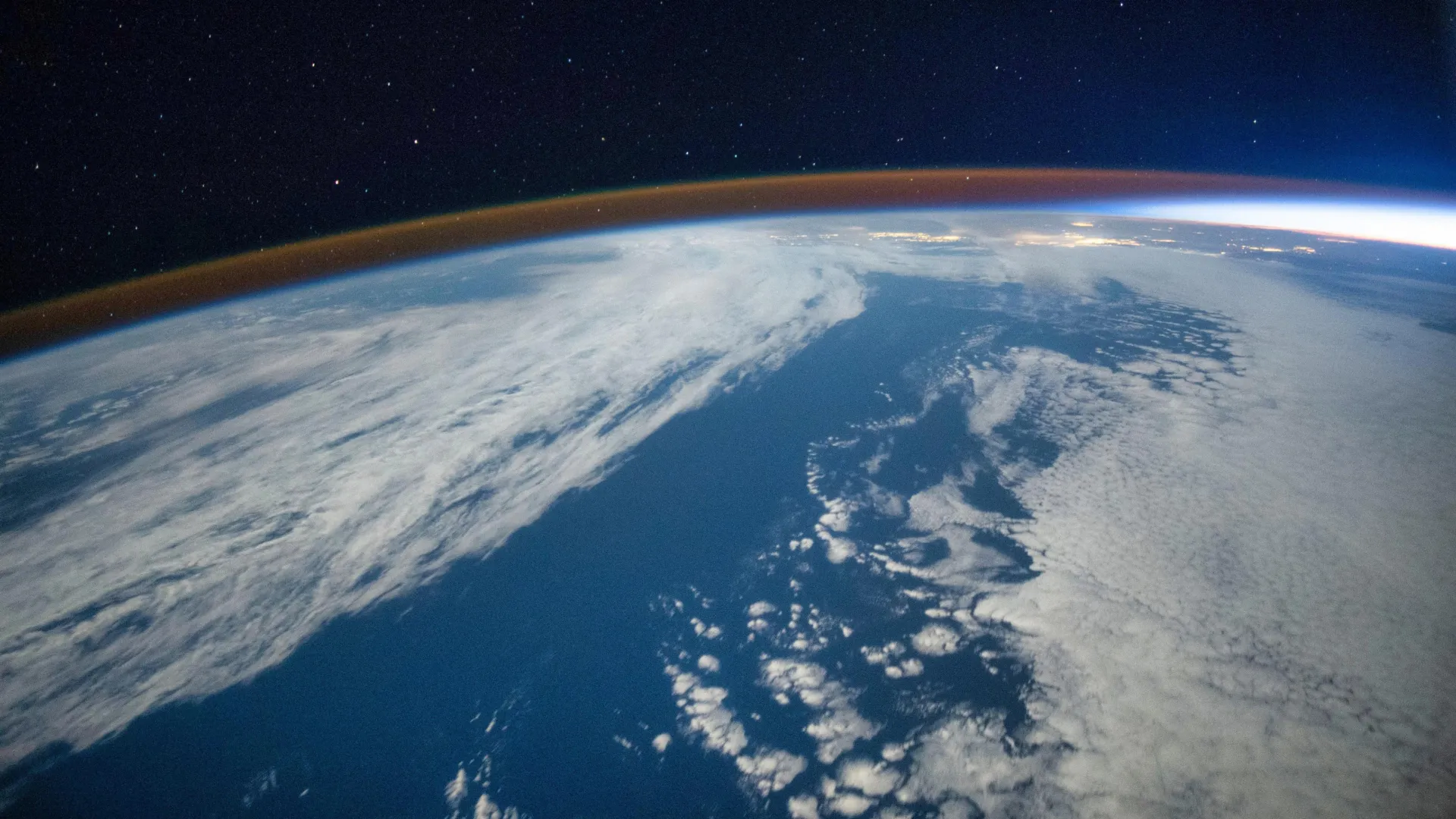
A new study published in Geophysical Research Letters estimates that chemicals used to replace ozone-damaging CFCs have deposited approximately 335,500 tonnes of trifluoroacetic acid (TFA), a persistent 'forever chemical,' onto Earth's surface between 2000 and 2022. TFA is a type of PFAS that resists breakdown and accumulates in the environment, with researchers detecting it in human blood and urine. The findings raise concerns about unintended consequences of chemical substitution and highlight the need for broader risk assessment in environmental regulation.
Researchers at Lancaster University used advanced chemical transport modeling to track how hydrochlorofluorocarbons (HCFCs), hydrofluorocarbons (HFCs), and inhalation anesthetics break down in the atmosphere to form trifluoroacetic acid (TFA). The study, published in Geophysical Research Letters, estimates that approximately 335,500 tonnes of TFA were deposited globally between 2000 and 2022, with annual production expected to peak sometime between 2025 and 2100. TFA is classified as a PFAS or 'forever chemical' because it resists environmental breakdown and accumulates over time. The European Chemicals Agency classifies TFA as harmful to aquatic life, and the German Federal Office for Chemicals has proposed classifying it as potentially toxic to human reproduction, though some agencies maintain current environmental levels remain below harmful thresholds. The research highlights a paradox: chemicals introduced to protect the ozone layer may have created a new environmental problem that will persist for decades due to the long atmospheric lifespans of their precursor compounds.
Limitations & open questions
The study's own limitations are not detailed in this article excerpt, such as uncertainty ranges in the modeling estimates, sensitivity analyses performed, or acknowledged gaps in understanding TFA's actual environmental and health impacts at current concentrations.
What different sources said
- Science DailyCenter
An invisible forever chemical rain is falling across the planet
Related
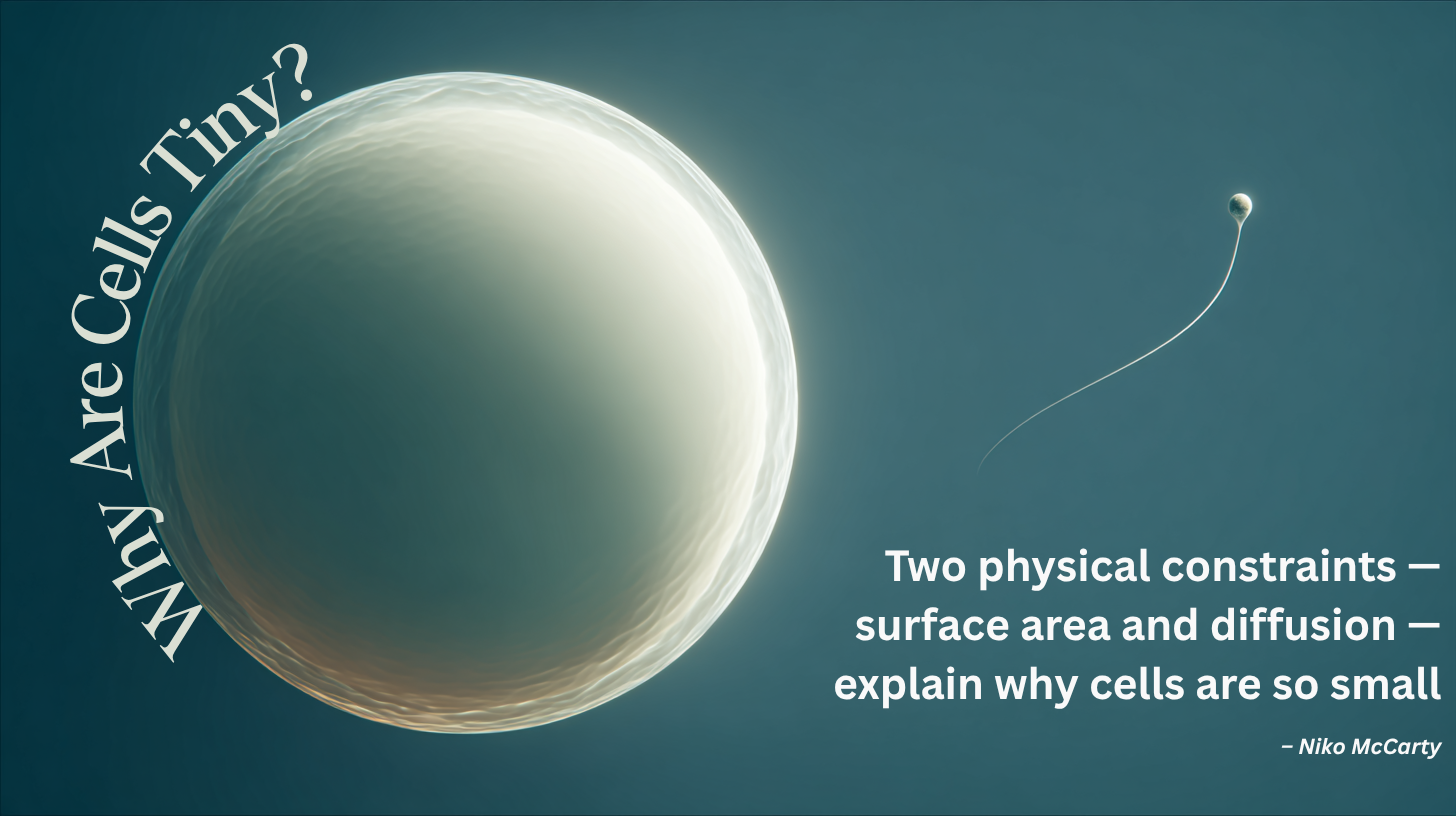
The Physics Behind Why Cells Are Small
A Hacker News article explains that cells range dramatically in size—from 30 µm³ sperm to 4-million µm³ oocytes—but physics constrains most cells to remain small. Two key physical limits are the surface area-to-volume ratio, which determines how efficiently a cell can exchange nutrients and waste, and diffusion, which slows molecular interactions as cell volume increases. Understanding these constraints reveals why evolution has shaped different cell types to their optimal sizes for their specific functions.
UK Global Talent Visa Program Attracts 18 International Researchers
Britain's Global Talent visa program has attracted 18 international researchers, with 10 announced in the latest wave, according to the Department for Science, Innovation and Technology. The scheme was launched last summer to compete with similar initiatives from the EU and France to recruit scientists, particularly those from the United States. The program represents a modest outcome compared to the €500 million funding commitment from the EU, though the UK government characterizes it as meeting initial objectives.
Collaborative Grant Applications Emerge as Model for Advancing Scientific Research
Scientists are increasingly submitting collective funding applications that combine diverse expertise rather than competing individually for grants. This collaborative approach helps identify knowledge gaps and accelerates research progress across disciplines. The shift requires systemic changes to funding mechanisms and institutional incentives to make joint applications viable.