Collaborative Grant Applications Emerge as Model for Advancing Scientific Research
Scientists are increasingly submitting collective funding applications that combine diverse expertise rather than competing individually for grants. This collaborative approach helps identify knowledge gaps and accelerates research progress across disciplines. The shift requires systemic changes to funding mechanisms and institutional incentives to make joint applications viable.
A new model for scientific funding emphasizes collaboration over competition, with researchers from different fields joining forces to write grant applications together. This approach leverages the complementary expertise of scientists across disciplines, enabling them to identify gaps in knowledge that single-discipline teams might miss and to design more comprehensive research programs. According to the analysis, collective funding applications can drive faster progress by breaking down silos between research areas. However, the current funding landscape—which typically rewards individual principal investigators and competitive submissions—creates barriers to this collaborative model. Experts argue that funding agencies, universities, and research institutions need to restructure their systems to actively incentivize and support joint applications rather than penalizing researchers for collaborative efforts.
Limitations & open questions
The article does not specify which funding agencies or institutions have already begun implementing changes to support collaborative applications, nor does it provide concrete examples of successful collective funding models or data on their outcomes compared to traditional competitive approaches.
What different sources said
- Nature NewsCenter
Don’t compete, collaborate: why collective funding applications are the future
Related
New AI Framework Improves Evidence-Based Analysis for Muon Collider Research
Researchers have developed an AI system called agentic hybrid RAG that combines retrieval and reasoning techniques to help scientists find and verify evidence in muon collider research literature. The framework integrates both keyword-based and semantic search methods with AI reasoning to decompose complex queries and synthesize answers. This work addresses a growing need in high-energy physics for AI-assisted tools that can reliably navigate rapidly expanding scientific literature.
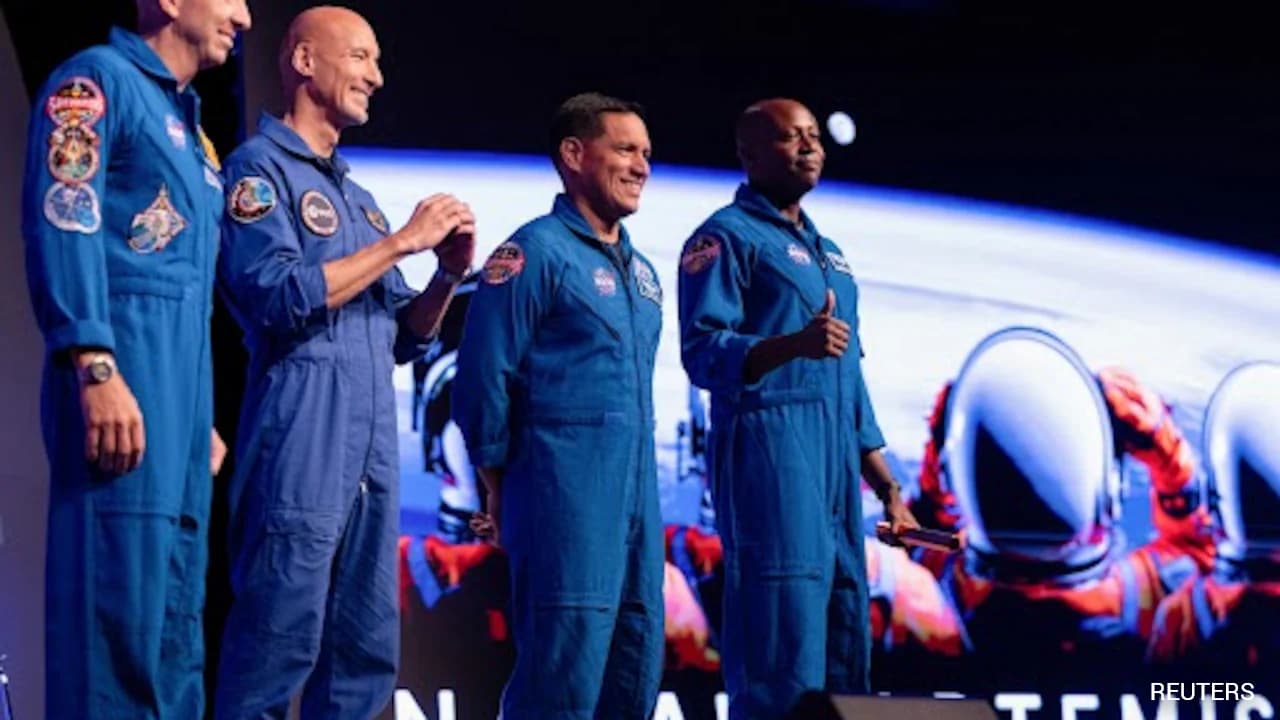
NASA Announces Four-Astronaut Crew for Artemis III Moon Mission
NASA named three U.S. astronauts and one Italian astronaut from the European Space Agency as the crew for Artemis III, scheduled to launch in 2027. The mission will conduct a docking demonstration in Earth's orbit and test moon landers from SpaceX and Blue Origin. The crew includes a veteran test pilot, a record-holder for longest U.S. spaceflight, and a first-time space flyer.
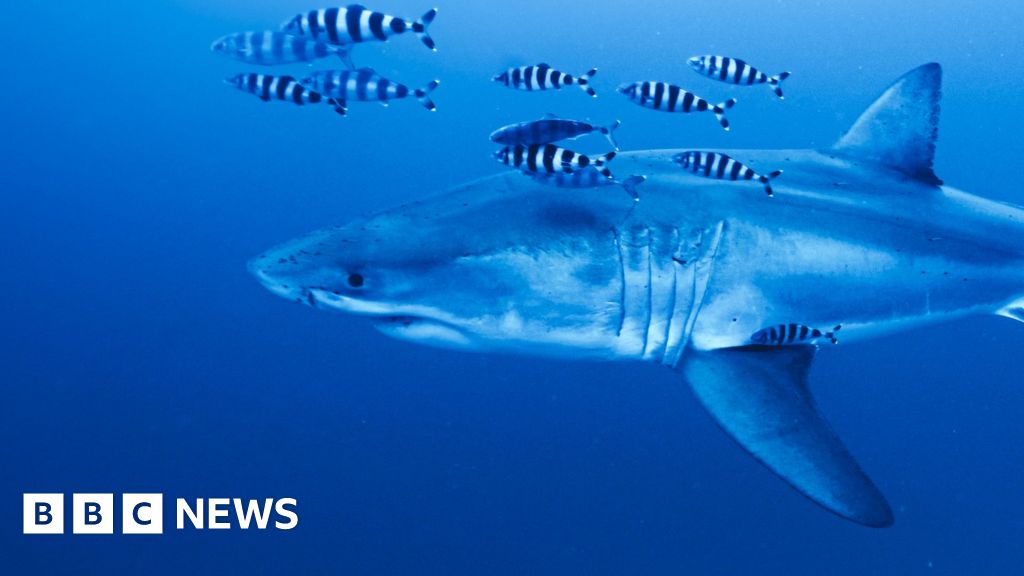
Rare Great White shark filmed in Mediterranean Sea between Tunisia and Sicily
A volunteer diver captured rare footage of a Great White shark in the Mediterranean Sea in May while working to document ghost fishing nets. The sighting is significant because Great Whites are thought to be near extinction in the Mediterranean due to overfishing. Conservationists hope the discovery will prompt governments to establish marine protected areas in the region.