SpaceX Dragon Spacecraft Departs International Space Station with Research Samples
A SpaceX Dragon cargo spacecraft is scheduled to undock from the International Space Station on June 16, 2026, and splash down off the California coast on June 17 at approximately 5:08 a.m. PDT. The capsule, which arrived at the station on May 17 carrying nearly 6,500 pounds of supplies for the Expedition 74 crew, will return thousands of pounds of scientific research and hardware. The returning cargo includes bioprinted tissue samples, cryogenic fuel storage data, and DNA-inspired cancer treatment materials, representing research with potential applications both in space exploration and on Earth.
NASA and its international partners are preparing to receive scientific samples and equipment as the SpaceX Dragon spacecraft from the 34th commercial resupply services mission departs the ISS on June 16, 2026. The Dragon will undock from the forward port of the station's Harmony module at approximately 12:05 p.m. EDT, following a command from SpaceX ground controllers, before reentering Earth's atmosphere and splashing down off the California coast the following morning. Among the research returning to Earth are bioprinted organ and cartilage tissue, data aimed at improving cryogenic fuel storage for future deep-space missions, and DNA-inspired materials being studied for cancer treatment development. Hardware returning includes an ocular imaging device for monitoring crew eye health, an air filtration absorbent bed, and a separator pump from the waste and hygiene compartment. The Dragon originally launched on May 15 aboard a Falcon 9 rocket from Cape Canaveral Space Force Station and docked two days later. NASA will provide live coverage of the undocking beginning at 11:45 a.m. EDT on NASA+, Amazon Prime, and YouTube, though the splashdown itself will not be streamed. The mission underscores the ISS's ongoing role in supporting research that advances both human spaceflight capabilities and potential terrestrial medical and technological applications.
Limitations & open questions
The articles do not detail the current size or composition of the Expedition 74 crew aboard the station.
What different sources said
- Mirage NewsCenter
NASA Covers 34th SpaceX Resupply Mission Departure
- NASACenter
NASA to Cover 34th SpaceX Resupply Mission Space Station Departure
Related
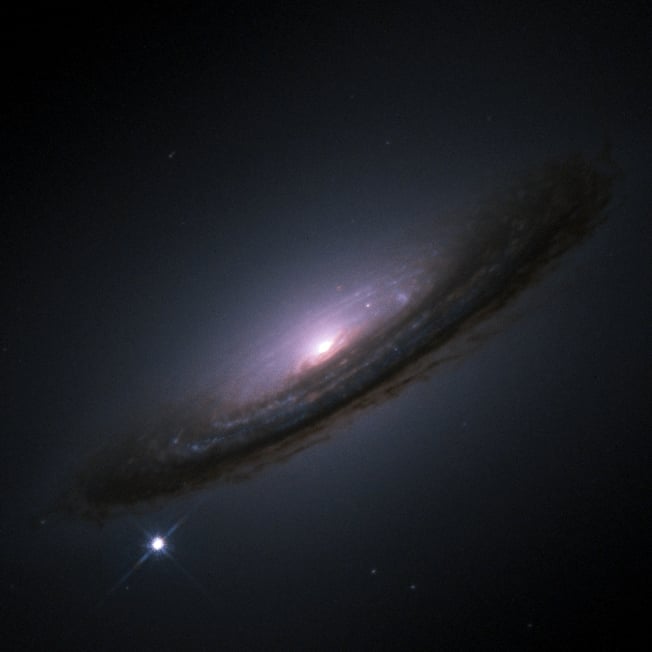
Nobel Laureates Rebut Study Claiming Universe's Expansion Is Slowing, Confirm Acceleration Continues
An international team of astrophysicists, including Nobel laureates Adam Riess and Brian Schmidt, has published a study in the Monthly Notices of the Royal Astronomical Society confirming that the universe's expansion is still accelerating. The rebuttal targets a late-2024 South Korean study that had claimed dark energy was weakening, a finding that would have overturned nearly three decades of cosmological understanding. The new study identifies two specific methodological errors in the earlier work, restoring confidence in the standard model of cosmic acceleration while leaving the deeper mystery of what dark energy actually is unresolved.

Study Finds Trees May Store Less Carbon Than Climate Models Predict
A new study published in Science Advances found that oak trees stop growing months before they stop photosynthesizing, meaning increased carbon uptake does not necessarily translate into more wood growth and long-term carbon storage. Researchers analyzed 137 sites across the US, finding that 26–36% of annual carbon uptake occurred after tree growth had already ceased, with drought and heat identified as key triggers for halting growth. The findings suggest that widely used climate models, which assume photosynthesis and growth are tightly linked, may be overestimating forests' future capacity to sequester carbon.
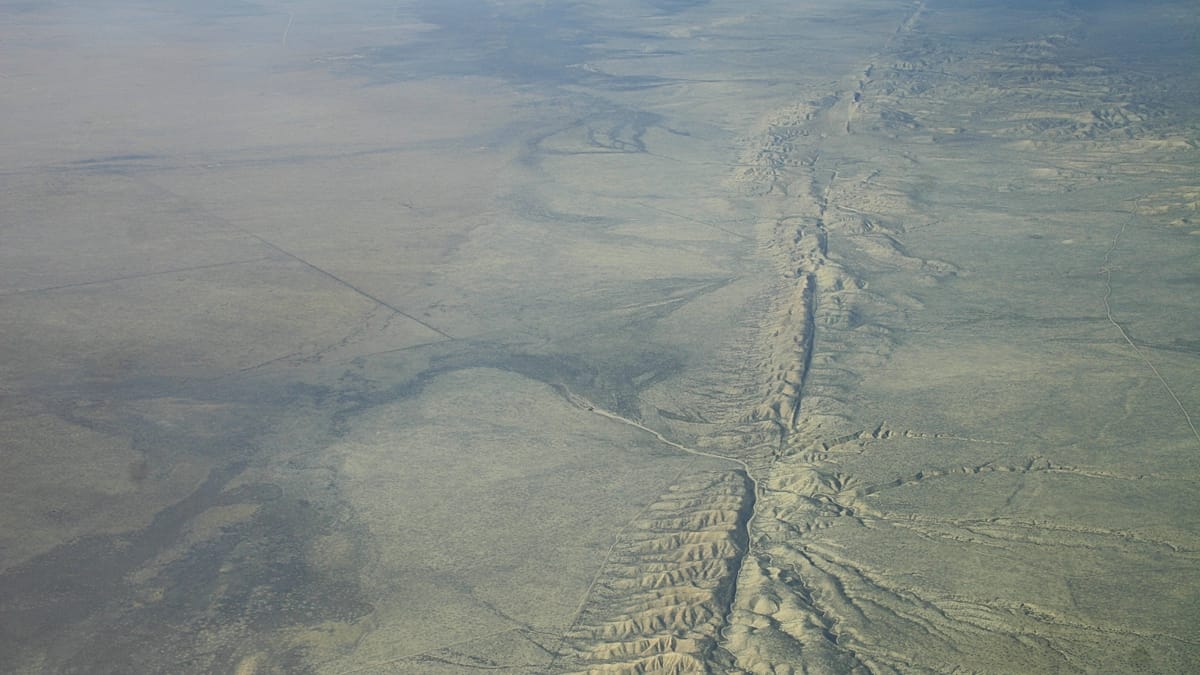
San Andreas Fault Stress Reaches Highest Level in 1,000 Years, Study Finds
A new peer-reviewed study finds that tectonic stress on Southern California's San Andreas and San Jacinto fault systems has reached its highest levels in at least 1,000 years, with the San Jacinto-Bernardino section measuring 3.6 megapascals. The research, led by the University of Hawaiʻi at Mānoa and published in the Journal of Geophysical Research: Solid Earth, used a computer model drawing on geological data including radiocarbon dating and tree-ring records to reconstruct a millennium of earthquake history. The findings cannot predict when a major earthquake will occur but are intended to improve hazard assessments, inform building codes, and guide emergency preparedness in a region home to millions.