South African Water Crisis Affects Over Half of Households Amid Infrastructure Failures
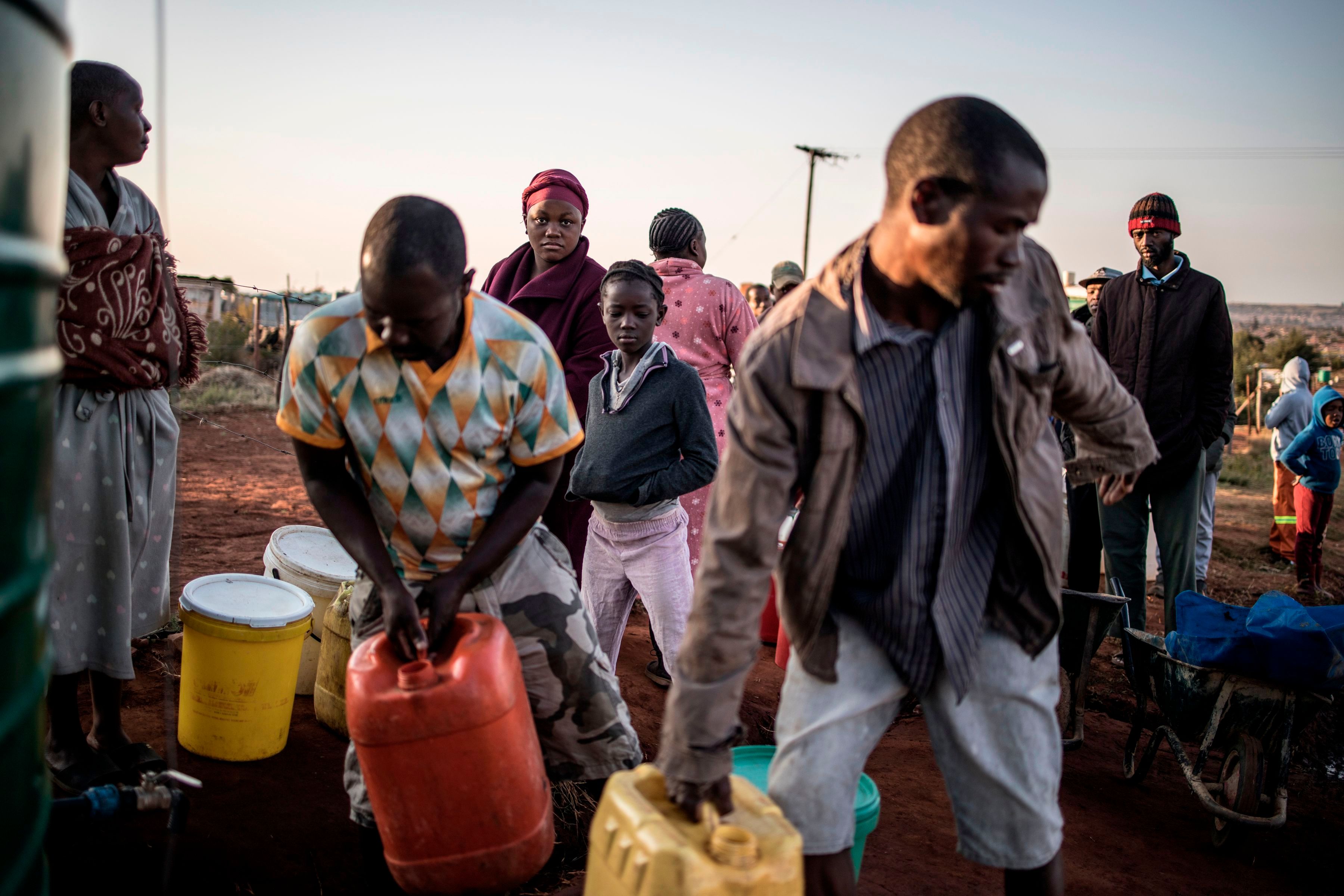
More than half of South African households face systematic water shortages due to aging infrastructure and maintenance backlogs at the national utility. The crisis is most severe in ANC-held provinces like Mpumalanga, where over a third of households experience dry taps weekly, forcing businesses to invest in backup water systems. The water crisis is emerging as a political issue ahead of November local elections, with the opposition Democratic Alliance positioned to gain leverage.
South Africa's water crisis has reached critical levels, with new data showing that more than half of all households experience systematic water shortages. The primary causes are severe maintenance backlogs and aging infrastructure leaks at the national utility, creating what officials describe as a "dry-tap reality" across Africa's most industrialized economy. The problem is particularly acute in Mpumalanga province, where over a third of households face water outages at least once weekly. Businesses have responded by investing in backup water systems, adding to costs they have already incurred protecting themselves from chronic power outages. The water shortages are becoming a significant political issue, with the opposition Democratic Alliance—which governs the Western Cape province where only 0.3% of households face water outages—likely to use the crisis as a campaign tool in November local elections.
What different sources said
- SemaforCenter
South African households grapple with water shortages
Related
IEEE TryEngineering OnCampus Program Expands to Seven Universities Globally
IEEE's TryEngineering OnCampus program expanded from two to seven universities, offering hands-on engineering experiences to pre-university students across Croatia, Egypt, Oman, Malaysia, Greece, and Hong Kong. The program provides workshops in AI, robotics, quantum computing, and circuit design, with nearly 75% of participants rating it highly in post-program surveys. The expansion demonstrates growing international interest in introducing young students to emerging engineering technologies and career pathways.
IEEE TryEngineering OnCampus Program Expands to Seven Universities Globally
The IEEE TryEngineering OnCampus program expanded from two to seven universities, offering hands-on engineering experiences to pre-university students across Croatia, Egypt, Oman, Malaysia, Greece, and Hong Kong. The program, funded by the IEEE Innovation Committee, provides workshops in AI, robotics, quantum computing, and circuit design to students ages 10-18. The initiative aims to build technical skills and inspire interest in engineering careers among young learners.
Sardinia's Resistance to Renewable Energy Reflects Deep Historical Grievances
Sardinians are opposing large-scale renewable energy projects despite recognizing climate benefits, with a quarter of voters signing a 2024 petition against new construction. The resistance stems from centuries of external exploitation and occupation, making islanders suspicious of Rome's top-down approach to using Sardinia as an energy exporter. Community-led energy initiatives show that grassroots approaches may succeed where corporate-driven projects face local opposition.