SIRT7 protein regulates X chromosome dosage compensation in females
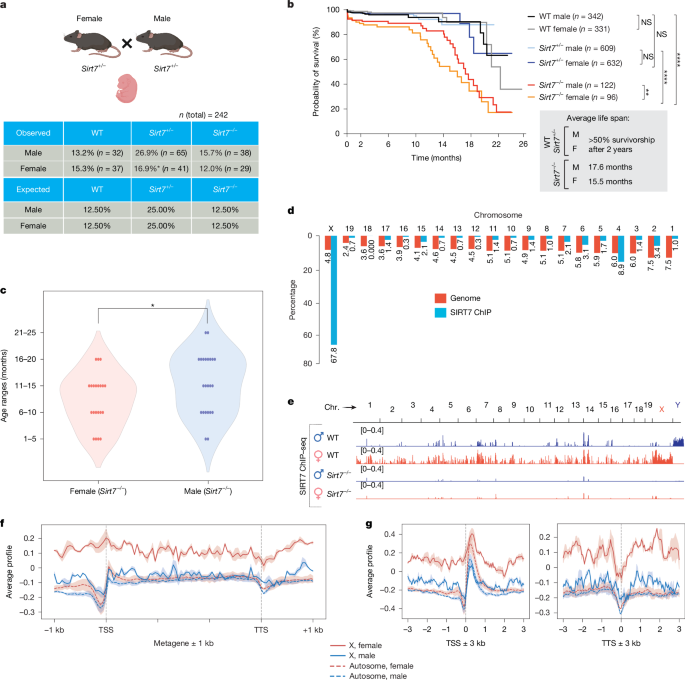
A new study published in Nature identifies the sirtuin protein SIRT7 as a key regulator of dosage compensation on the female X chromosome, linking its deacylase activity on histone H3K36 to the maintenance of X-chromosome inactivation. SIRT7 is a member of the sirtuin family of NAD+-dependent enzymes previously known for roles in genome stability, stress response, and aging. The findings suggest that loss of SIRT7 disrupts the epigenetic balance of the inactive X chromosome, with potential implications for understanding sex-specific differences in disease and aging.
Researchers from institutions including Massachusetts General Hospital, Harvard Medical School, the Josep Carreras Leukaemia Research Institute, and Rutgers University have identified SIRT7 as a critical regulator of X-chromosome dosage compensation in female mammals. The study, published in Nature, demonstrates that SIRT7's deacylase activity targeting histone H3K36 acetylation (H3K36ac) plays a role in maintaining the epigenetic state of the inactive X chromosome (Xi), a process essential for balancing gene expression between XX females and XY males. Using RNA-seq, ChIP-seq, proteomics, and 3D chromatin modeling, the team showed that SIRT7 loss leads to disruption of chromatin organization on the Xi and aberrant gene expression. The work builds on prior findings linking SIRT7 to genome integrity, DNA repair, and meiosis, and connects its nuclear functions to the broader machinery of X-chromosome inactivation involving Xist RNA and Polycomb repressive complexes. All genomic datasets have been deposited in public repositories (GEO accession GSE256287; ProteomeXchange PXD057198), and custom analysis code is archived at Zenodo. The study was supported by NIH grants and Spanish Ministry of Science funding, reflecting a broad international collaboration.
What different sources said
- Nature NewsCenter
SIRT7 regulates dosage compensation and safeguards the female X chromosome
Related
Nobel Laureates Rebut Study Claiming Universe's Expansion Is Slowing, Confirm Acceleration Continues
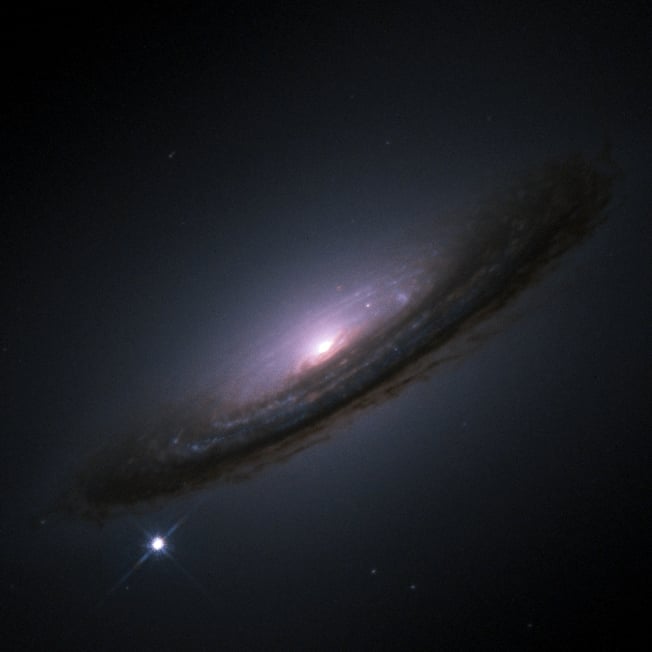
An international team of astrophysicists, including Nobel laureates Adam Riess and Brian Schmidt, has published a study in the Monthly Notices of the Royal Astronomical Society confirming that the universe's expansion is still accelerating. The rebuttal targets a late-2024 South Korean study that had claimed dark energy was weakening, a finding that would have overturned nearly three decades of cosmological understanding. The new study identifies two specific methodological errors in the earlier work, restoring confidence in the standard model of cosmic acceleration while leaving the deeper mystery of what dark energy actually is unresolved.

Study Finds Trees May Store Less Carbon Than Climate Models Predict
A new study published in Science Advances found that oak trees stop growing months before they stop photosynthesizing, meaning increased carbon uptake does not necessarily translate into more wood growth and long-term carbon storage. Researchers analyzed 137 sites across the US, finding that 26–36% of annual carbon uptake occurred after tree growth had already ceased, with drought and heat identified as key triggers for halting growth. The findings suggest that widely used climate models, which assume photosynthesis and growth are tightly linked, may be overestimating forests' future capacity to sequester carbon.
San Andreas Fault Stress Reaches Highest Level in 1,000 Years, Study Finds
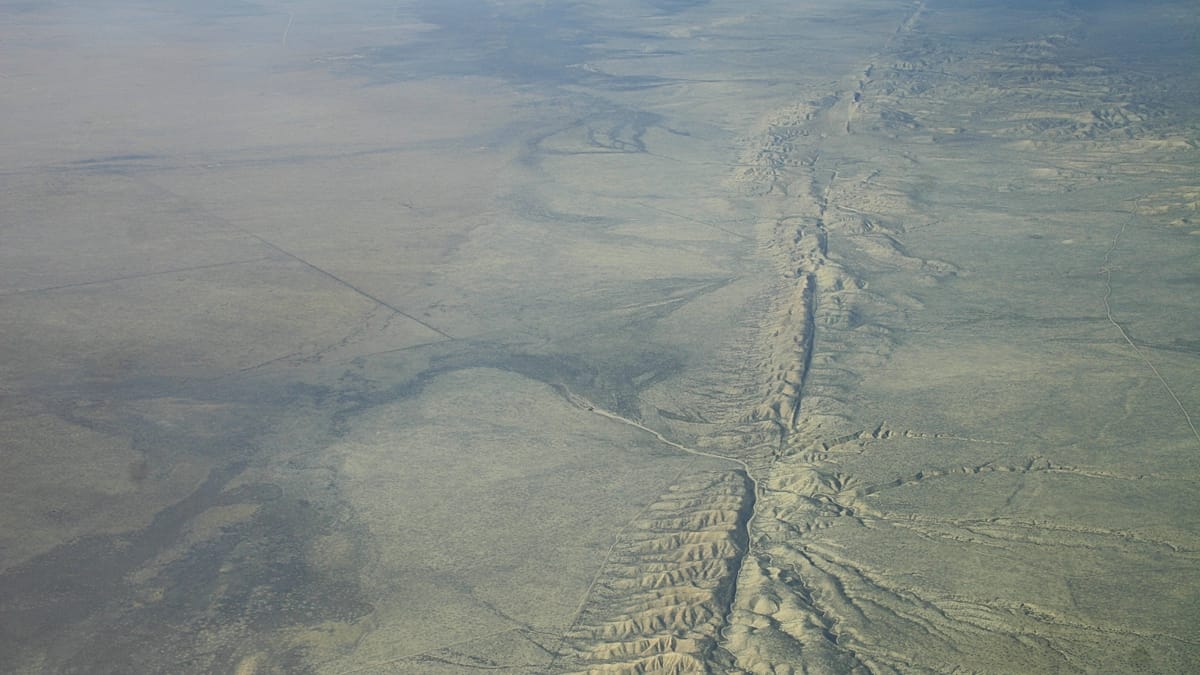
A new peer-reviewed study finds that tectonic stress on Southern California's San Andreas and San Jacinto fault systems has reached its highest levels in at least 1,000 years, with the San Jacinto-Bernardino section measuring 3.6 megapascals. The research, led by the University of Hawaiʻi at Mānoa and published in the Journal of Geophysical Research: Solid Earth, used a computer model drawing on geological data including radiocarbon dating and tree-ring records to reconstruct a millennium of earthquake history. The findings cannot predict when a major earthquake will occur but are intended to improve hazard assessments, inform building codes, and guide emergency preparedness in a region home to millions.