Scientists discover unicellular organism that sheds light on evolution of animal multicellularity

Researchers studying the marine microorganism Ministeria vibrans found that it forms stable aggregates and deploys genetic homologs of animal multicellularity genes during this process. The study, published in Nature, adds to growing evidence that aggregation — long dismissed as a path to complex multicellularity — may have been a key evolutionary stepping stone for animals. The findings suggest that the genetic toolkit underlying animal multicellular development may have originated in unicellular ancestors that used these genes for aggregation.
A new study published in Nature by researchers from Indiana University Bloomington, Uppsala University, and the Institute of Evolutionary Biology in Barcelona reports that Ministeria vibrans, a marine free-living unicellular relative of animals, forms homogeneous aggregates with reproducible kinetics and long-term stability. The researchers found that homologs of many animal genes involved in cell adhesion, signaling, and transcriptional regulation are actively deployed during this aggregation process. Improved feeding and mating are proposed as likely evolutionary drivers of the behavior. The discovery is significant because aggregation has historically been dismissed as a route to complex multicellularity, yet this study — combined with prior findings in choanoflagellates and the filasterean Capsaspora owczarzaki — suggests aggregation is widespread among close unicellular relatives of animals. The authors argue that these genes may have originally evolved to support aggregation in unicellular ancestors before being co-opted into the developmental programs of the first true animals. The work implies that aggregative multicellularity was central to assembling the genetic toolkit that made animal life possible.
Limitations & open questions
The study is described as an unedited early-access manuscript and has not yet undergone final editorial review, meaning errors may be present. Key open questions include how the specific molecular mechanisms by which these gene homologs function in aggregation compare to their roles in animal development.
What different sources said
- Nature NewsCenter
A unicellular relative links aggregative multicellularity to animal origins
- Phys.orgCenter
Why cells started sticking together could help explain how animals first evolved
Related
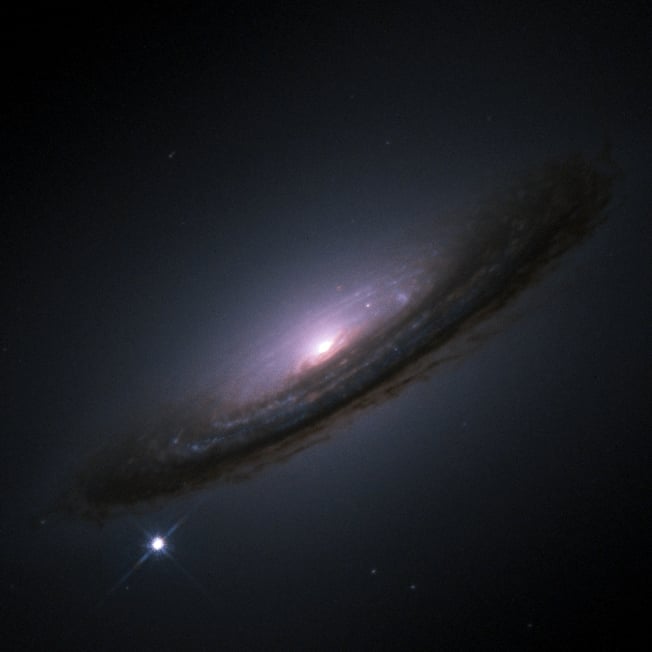
Nobel Laureates Rebut Study Claiming Universe's Expansion Is Slowing, Confirm Acceleration Continues
An international team of astrophysicists, including Nobel laureates Adam Riess and Brian Schmidt, has published a study in the Monthly Notices of the Royal Astronomical Society confirming that the universe's expansion is still accelerating. The rebuttal targets a late-2024 South Korean study that had claimed dark energy was weakening, a finding that would have overturned nearly three decades of cosmological understanding. The new study identifies two specific methodological errors in the earlier work, restoring confidence in the standard model of cosmic acceleration while leaving the deeper mystery of what dark energy actually is unresolved.

Study Finds Trees May Store Less Carbon Than Climate Models Predict
A new study published in Science Advances found that oak trees stop growing months before they stop photosynthesizing, meaning increased carbon uptake does not necessarily translate into more wood growth and long-term carbon storage. Researchers analyzed 137 sites across the US, finding that 26–36% of annual carbon uptake occurred after tree growth had already ceased, with drought and heat identified as key triggers for halting growth. The findings suggest that widely used climate models, which assume photosynthesis and growth are tightly linked, may be overestimating forests' future capacity to sequester carbon.
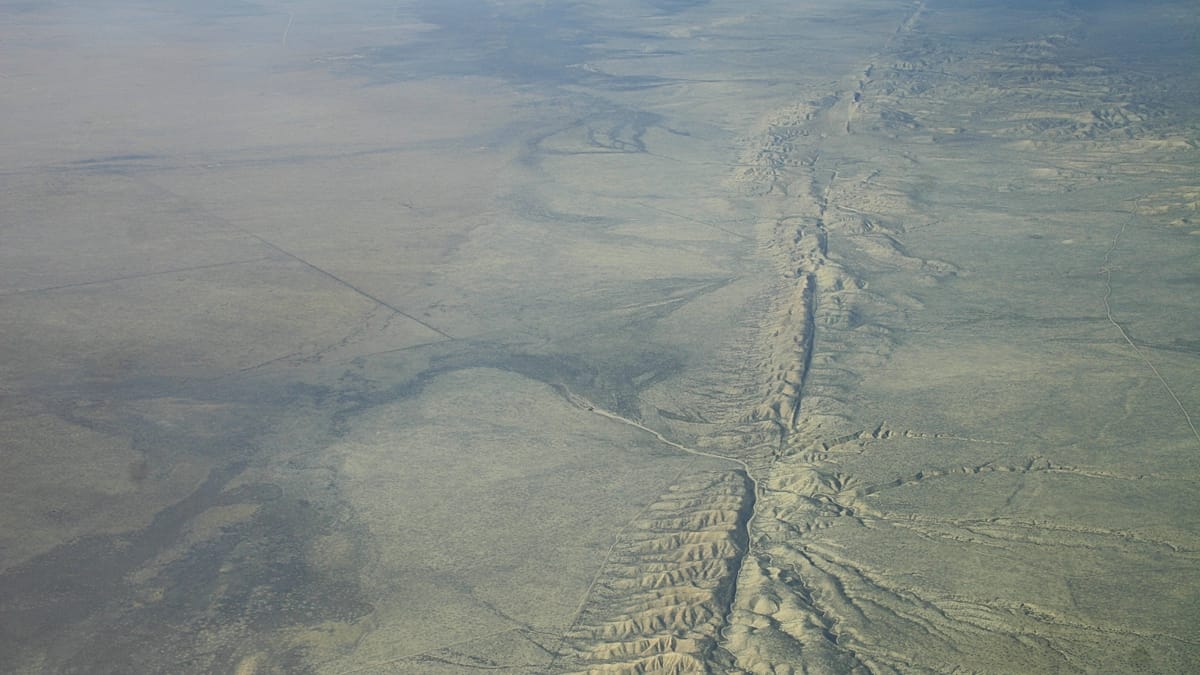
San Andreas Fault Stress Reaches Highest Level in 1,000 Years, Study Finds
A new peer-reviewed study finds that tectonic stress on Southern California's San Andreas and San Jacinto fault systems has reached its highest levels in at least 1,000 years, with the San Jacinto-Bernardino section measuring 3.6 megapascals. The research, led by the University of Hawaiʻi at Mānoa and published in the Journal of Geophysical Research: Solid Earth, used a computer model drawing on geological data including radiocarbon dating and tree-ring records to reconstruct a millennium of earthquake history. The findings cannot predict when a major earthquake will occur but are intended to improve hazard assessments, inform building codes, and guide emergency preparedness in a region home to millions.