Scientists Create First Global Map of Earth's Underground Fungal Networks, Revealing 110 Quadrillion Kilometers of Fungal Filaments
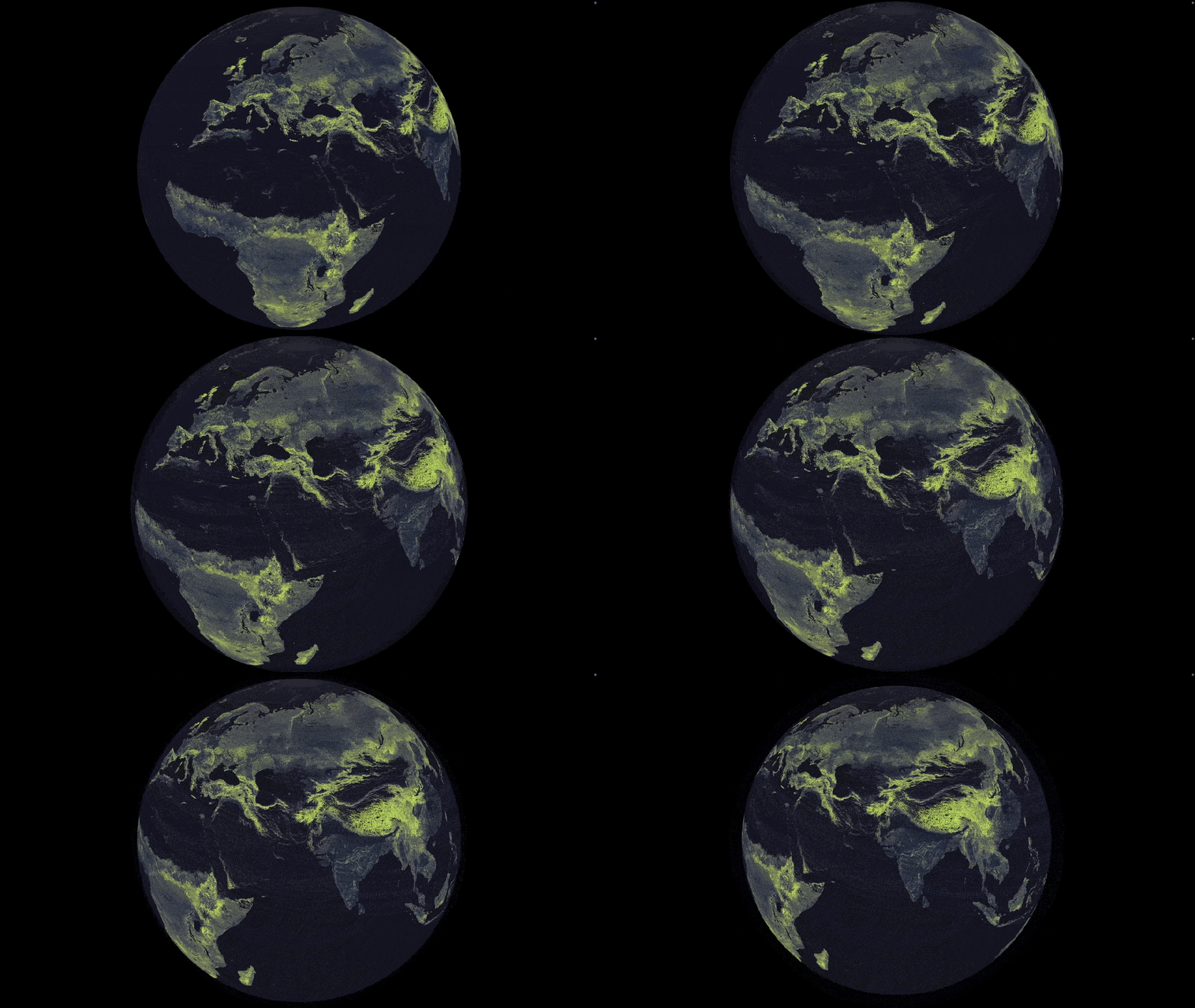
Researchers have produced the first high-resolution global map of arbuscular mycorrhizal (AM) fungi, estimating that Earth's topsoils contain approximately 110 quadrillion kilometers of these fungal networks — enough to reach the nearest star and back. The study, published in Science and led by the Society for the Protection of Underground Networks (SPUN), combined data from over 16,000 soil cores, robotic imaging of more than 300,000 fungal filaments, and machine-learning models to estimate global distribution and biomass. The findings reveal both the extraordinary scale of a climate-critical biological system and alarming evidence that intensive agriculture has reduced fungal network density by roughly 50% in croplands compared to wild ecosystems.
Published in the journal Science, the study represents the first attempt to map and quantify the physical density and global distribution of arbuscular mycorrhizal (AM) fungi, an ancient group of soil fungi that form symbiotic relationships with approximately 70% of all land plant species. Using data from more than 16,000 soil cores drawn from 322 prior studies, robotic imaging of over 300,000 living fungal hyphae, and machine-learning models trained across diverse biomes, the international research team estimated the total length of AM fungal networks at roughly 110 quadrillion kilometers and their total carbon mass at approximately 300 megatons — four to six times the mass of all living humans. The global map, built in collaboration with data visualization designer Moritz Stefaner and available as an interactive tool, resolves estimates down to each square kilometer of terrestrial land. Grassland ecosystems — including the Florida Everglades, South Sudan's Sudd wetlands, and the Tibetan Plateau — were identified as containing the densest networks, accounting for roughly 40% of global AM fungal biomass, yet these regions are among the least protected on Earth and are being converted to farmland four times faster than forests. The study documents that cropland soils show approximately 50% lower fungal network densities than wild ecosystems, driven by tillage, heavy fertilizer use, and fungicide application. Researchers emphasized that the findings are intended as living documents, supplemented by 'maps of ignorance' highlighting data-sparse regions, and that results will be presented to policymakers at the United Nations desertification summit in Mongolia in August 2026.
Limitations & open questions
The study's own authors and external researchers note that while the map quantifies where AM fungal networks exist and at what density, very little is currently understood about how effectively these networks function across different environments, how their ecological roles vary by host plant or biome, and how specific agricultural practices differentially affect their performance — gaps that the University of Sheffield's ongoing Royal Society Faraday Discovery Fellowship aims to address. Additionally, the study covers only arbuscular mycorrhizal fungi and does not account for other mycorrhizal types (e.g., ectomycorrhizal fungi), which are dominant in boreal and temperate forests, meaning the total global fungal infrastructure is likely substantially larger than reported.
What different sources said
- Phys.orgCenter
First global map of mycorrhizal fungi reveals true scale of underground networks across the planet
- New ScientistCenter
Global map reveals the vast scale of underground fungal networks
- Live ScienceCenter
Earth's underground fungal network is so massive, it would span 10% of the Milky Way, map reveals
- Scientific AmericanCenter
See the hidden fungal network so big it could stretch to Proxima Centauri and back
Subterranean fungi networks more than 100 quadrillion km in length, study finds
Scientists Measure Earth’s Vast Underground Fungal Webs
- The TimesCenter
Hidden fungus network below our feet could circle Earth 2.7 trillion times
- Mirage NewsCenter
Global Map Unveils Vast Underground Fungi Networks
- Ars TechnicaCenter
Threads of underground fungal networks are long enough to reach beyond the Solar System
- Times of IndiaCenter
'Real-life Project Hail Mary': Scientists discover a hidden fungal network beneath Earth stretching 110 q
Related
Nobel Laureates Rebut Study Claiming Universe's Expansion Is Slowing, Confirm Acceleration Continues
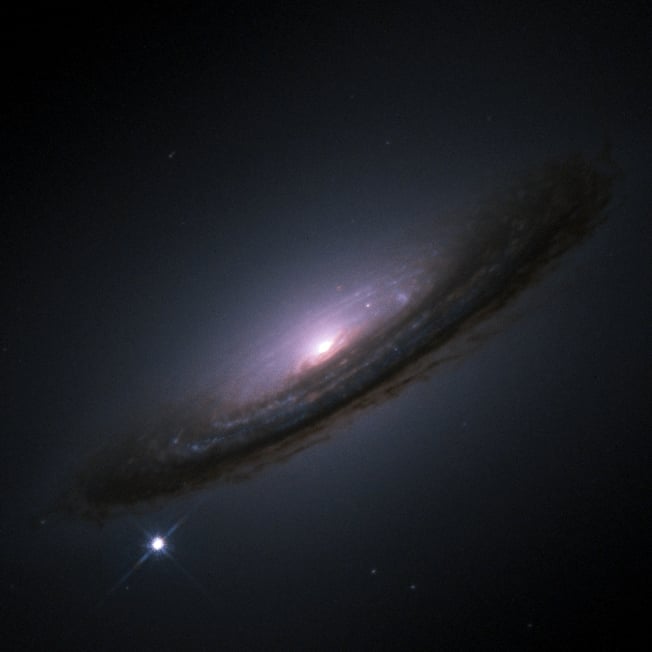
An international team of astrophysicists, including Nobel laureates Adam Riess and Brian Schmidt, has published a study in the Monthly Notices of the Royal Astronomical Society confirming that the universe's expansion is still accelerating. The rebuttal targets a late-2024 South Korean study that had claimed dark energy was weakening, a finding that would have overturned nearly three decades of cosmological understanding. The new study identifies two specific methodological errors in the earlier work, restoring confidence in the standard model of cosmic acceleration while leaving the deeper mystery of what dark energy actually is unresolved.

Study Finds Trees May Store Less Carbon Than Climate Models Predict
A new study published in Science Advances found that oak trees stop growing months before they stop photosynthesizing, meaning increased carbon uptake does not necessarily translate into more wood growth and long-term carbon storage. Researchers analyzed 137 sites across the US, finding that 26–36% of annual carbon uptake occurred after tree growth had already ceased, with drought and heat identified as key triggers for halting growth. The findings suggest that widely used climate models, which assume photosynthesis and growth are tightly linked, may be overestimating forests' future capacity to sequester carbon.
San Andreas Fault Stress Reaches Highest Level in 1,000 Years, Study Finds
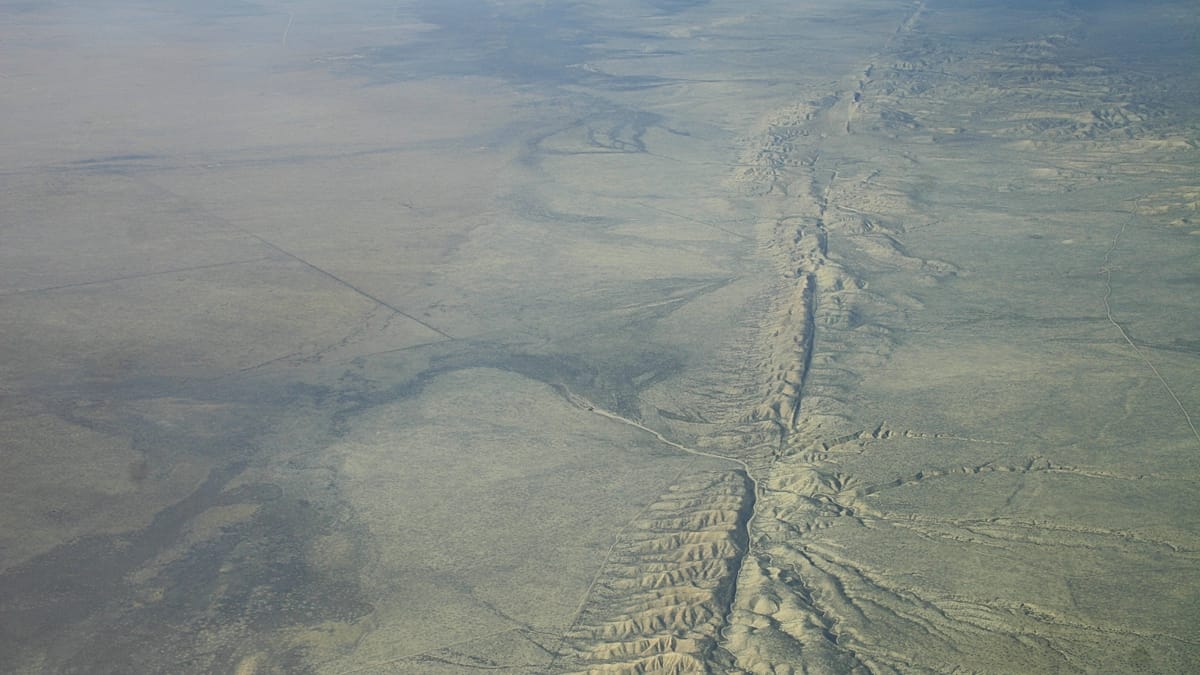
A new peer-reviewed study finds that tectonic stress on Southern California's San Andreas and San Jacinto fault systems has reached its highest levels in at least 1,000 years, with the San Jacinto-Bernardino section measuring 3.6 megapascals. The research, led by the University of Hawaiʻi at Mānoa and published in the Journal of Geophysical Research: Solid Earth, used a computer model drawing on geological data including radiocarbon dating and tree-ring records to reconstruct a millennium of earthquake history. The findings cannot predict when a major earthquake will occur but are intended to improve hazard assessments, inform building codes, and guide emergency preparedness in a region home to millions.