Satellite Mega-Constellations Are Transforming the Night Sky, Alarming Astronomers and Astrophotographers
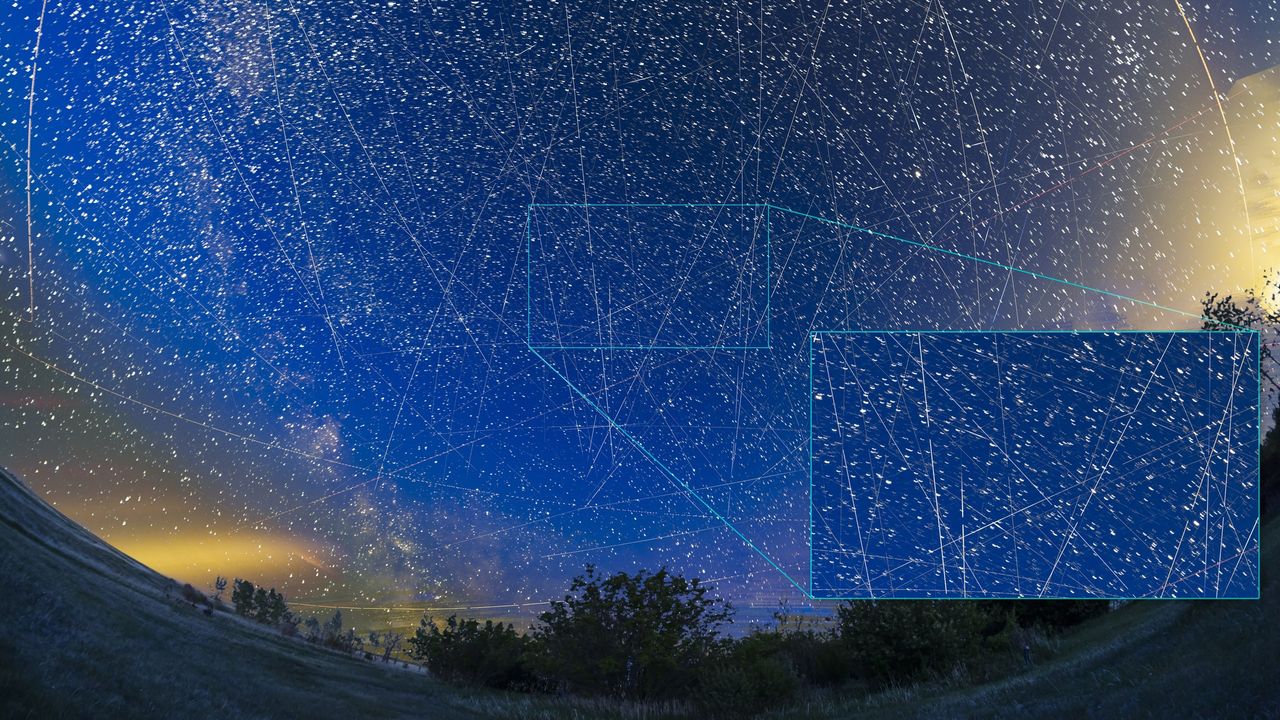
The rapid expansion of SpaceX's Starlink network, now exceeding 11,000 satellites in low Earth orbit, is increasingly disrupting both amateur stargazing and professional astronomy. Long-exposure astrophotography is plagued by satellite streaks, while radio astronomers and wide-field survey telescopes like the Rubin Observatory face interference from the growing constellation. With roughly 40,000 Starlinks projected within a few years, and Amazon and other companies preparing rival mega-constellations, experts warn conditions will worsen significantly.
Since SpaceX began launching Starlink satellites in May 2019, the number of artificial objects in low Earth orbit has grown dramatically, with over 11,000 Starlinks now in operation and approximately 12 million users worldwide relying on the service. What began as a novelty — visible 'trains' of satellites delighting observers during the COVID-19 pandemic — has become a serious concern for the astronomical community. Astrophotographers routinely find their long-exposure images crossed by bright linear streaks, as illustrated by wide-angle photographs showing dozens of trails crisscrossing a single frame. Professional astronomers face deeper problems: spectroscopic data can be corrupted, and wide-field survey instruments such as the Rubin Observatory are particularly vulnerable to interference. Software workarounds exist for imaging, including stacking and trail-removal techniques, but these add significant post-processing burden and cannot fully address radio frequency interference. The problem is compounded by the timing of satellite visibility: in summer twilight, when the sun remains close to the horizon, satellites at altitude are still illuminated and highly visible, making that observing window especially affected. With Amazon and other operators preparing competing mega-constellations, the total number of low Earth orbit satellites could reach tens of thousands, and observers note the situation is expected to deteriorate substantially before any natural de-orbiting reduces congestion.
Limitations & open questions
The articles do not quantify the specific magnitude of radio frequency interference caused by Starlink on professional observatories, nor do they detail what regulatory frameworks (e.g., FCC or ITU rules) currently govern satellite brightness or radio emissions. The WSJ's geoengineering framing is referenced only in the headline, with no elaboration on the underlying science or evidence for that claim available in the provided text.
How coverage differed
The Space.com article frames the satellite proliferation primarily through the lens of personal stargazing experience and the impact on amateur and professional astronomy, adopting a lamenting tone. The Wall Street Journal's headline frames the same phenomenon as an 'accidental geoengineering experiment,' suggesting broader environmental or atmospheric implications beyond light pollution — a framing that shifts emphasis from astronomical disruption to potential planetary-scale consequences.
What different sources said
SpaceX Satellites Are Creating an Accidental Geoengineering Experiment
- Space.comCenter
My quiet obsession with satellites — and how they're ruining everything
Related
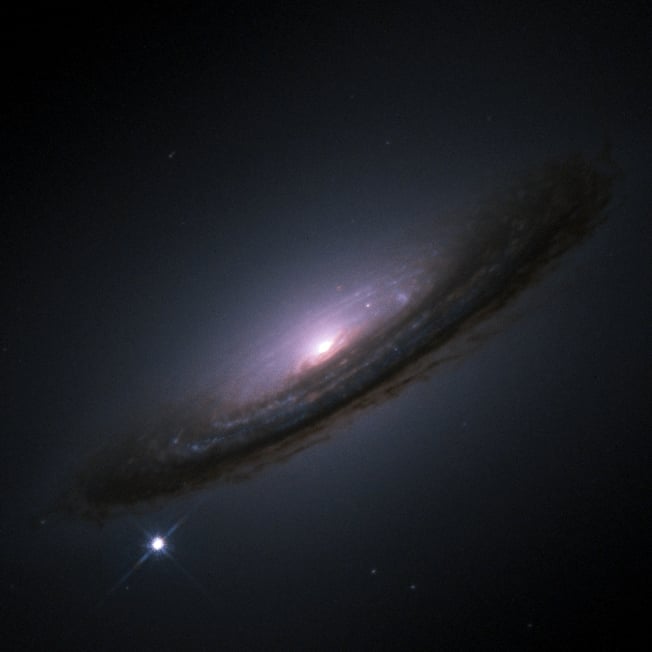
Nobel Laureates Rebut Study Claiming Universe's Expansion Is Slowing, Confirm Acceleration Continues
An international team of astrophysicists, including Nobel laureates Adam Riess and Brian Schmidt, has published a study in the Monthly Notices of the Royal Astronomical Society confirming that the universe's expansion is still accelerating. The rebuttal targets a late-2024 South Korean study that had claimed dark energy was weakening, a finding that would have overturned nearly three decades of cosmological understanding. The new study identifies two specific methodological errors in the earlier work, restoring confidence in the standard model of cosmic acceleration while leaving the deeper mystery of what dark energy actually is unresolved.

Study Finds Trees May Store Less Carbon Than Climate Models Predict
A new study published in Science Advances found that oak trees stop growing months before they stop photosynthesizing, meaning increased carbon uptake does not necessarily translate into more wood growth and long-term carbon storage. Researchers analyzed 137 sites across the US, finding that 26–36% of annual carbon uptake occurred after tree growth had already ceased, with drought and heat identified as key triggers for halting growth. The findings suggest that widely used climate models, which assume photosynthesis and growth are tightly linked, may be overestimating forests' future capacity to sequester carbon.
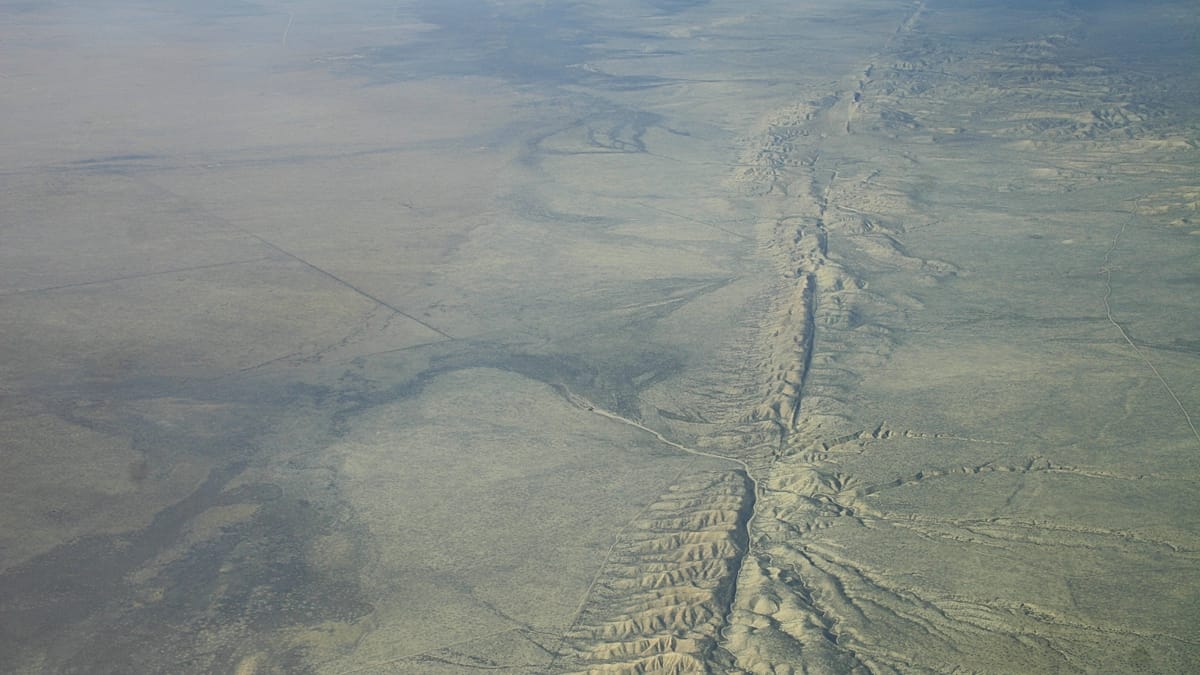
San Andreas Fault Stress Reaches Highest Level in 1,000 Years, Study Finds
A new peer-reviewed study finds that tectonic stress on Southern California's San Andreas and San Jacinto fault systems has reached its highest levels in at least 1,000 years, with the San Jacinto-Bernardino section measuring 3.6 megapascals. The research, led by the University of Hawaiʻi at Mānoa and published in the Journal of Geophysical Research: Solid Earth, used a computer model drawing on geological data including radiocarbon dating and tree-ring records to reconstruct a millennium of earthquake history. The findings cannot predict when a major earthquake will occur but are intended to improve hazard assessments, inform building codes, and guide emergency preparedness in a region home to millions.