Retreating Arctic Glaciers Increase Icebergs, Creating New Deep-Sea Habitats

A study published in Nature finds that debris-laden icebergs calving from retreating Greenland and Russian Arctic glaciers are depositing rocks on the Arctic seafloor, seeding new habitats for sponges, corals, anemones, and other marine life. The research, led by the Alfred Wegener Institute and Woods Hole Oceanographic Institution, used 40 years of ship-based iceberg observations, satellite tracking, and long-term deep-sea photography to link the increase in so-called 'dropstones' to accelerating glacier loss driven by climate change. The findings matter because they reveal an unexpected biodiversity consequence of warming, while also flagging growing hazards for Arctic shipping, fishing, and offshore operations.
Researchers from the Alfred Wegener Institute and the Woods Hole Oceanographic Institution have documented a striking chain of events connecting retreating Arctic glaciers to new ecosystems on the deep seafloor. When glaciers in northeast Greenland and the Russian Arctic calve icebergs, those icebergs carry embedded rock debris hundreds of kilometers before melting and dropping their load—known as dropstones—to the ocean bottom. Analysis of the AWI-Hausgarten long-term observatory's seafloor photographs showed a marked increase in stone accumulations between 2015 and 2017, with sponges, anemones, soft corals, bryozoa, and sea stars colonizing the hard surfaces the rocks provide in an otherwise soft-sediment environment. The team confirmed the rocks' origin by matching their size and mineralogical composition to samples taken directly from icebergs observed in the Fram Strait during a 2021 Polarstern expedition, where some icebergs appeared almost entirely black with debris. Crucially, nearly 40 years of synoptic iceberg observations recorded from the Polarstern's bridge showed a clear rise in iceberg frequency in the Fram Strait since the early 2000s, coinciding with the documented destabilization of northeast Greenland's glaciers. Ocean-ice modeling further showed that retreating sea ice allows icebergs to travel faster and encounter more open water, accelerating their melt and stone deposition. Beyond biodiversity implications, the study warns that the growing number of icebergs poses increasing navigational risks for cruise ships, cargo vessels, and fishing fleets moving into higher Arctic latitudes.
Limitations & open questions
The study does not yet quantify the net ecological impact of dropstone habitats at scale—whether the biodiversity gains in colonized patches offset any disruption to pre-existing soft-sediment communities remains an open question. The authors also acknowledge that incomplete satellite coverage over Russian Arctic glaciers limits their ability to attribute iceberg increases from that region confidently to climate change.
What different sources said
- Nature NewsCenter
Rocks falling from melting icebergs host deep-sea oases of biodiversity
- Phys.orgCenter
Retreating glaciers increase iceberg sightings and reshape deep-sea habitats
- GizmodoCenter
Scientists Tracked These Strange Arctic Icebergs and Found Something Unexpected on the Seafloor
- Science DailyCenter
Alaska’s glaciers have a startling response to rising temperatures
Related
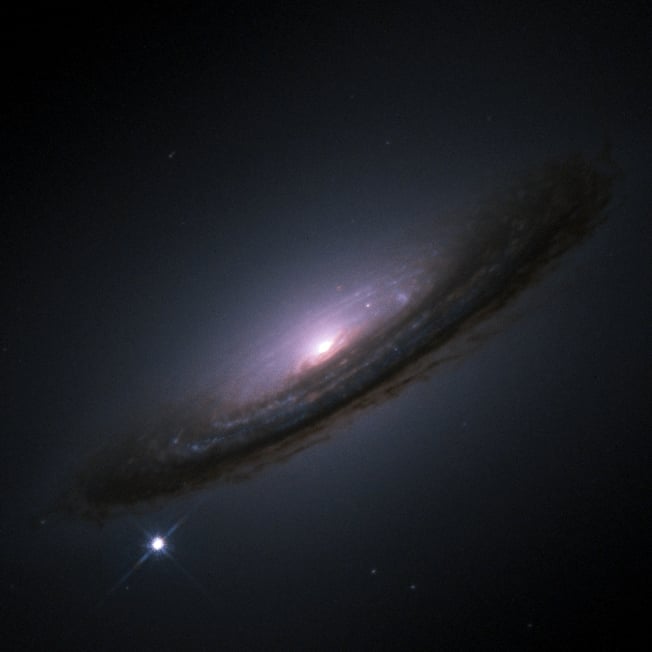
Nobel Laureates Rebut Study Claiming Universe's Expansion Is Slowing, Confirm Acceleration Continues
An international team of astrophysicists, including Nobel laureates Adam Riess and Brian Schmidt, has published a study in the Monthly Notices of the Royal Astronomical Society confirming that the universe's expansion is still accelerating. The rebuttal targets a late-2024 South Korean study that had claimed dark energy was weakening, a finding that would have overturned nearly three decades of cosmological understanding. The new study identifies two specific methodological errors in the earlier work, restoring confidence in the standard model of cosmic acceleration while leaving the deeper mystery of what dark energy actually is unresolved.
Study Finds Trees May Store Less Carbon Than Climate Models Predict
A new study published in Science Advances found that oak trees stop growing months before they stop photosynthesizing, meaning increased carbon uptake does not necessarily translate into more wood growth and long-term carbon storage. Researchers analyzed 137 sites across the US, finding that 26–36% of annual carbon uptake occurred after tree growth had already ceased, with drought and heat identified as key triggers for halting growth. The findings suggest that widely used climate models, which assume photosynthesis and growth are tightly linked, may be overestimating forests' future capacity to sequester carbon.
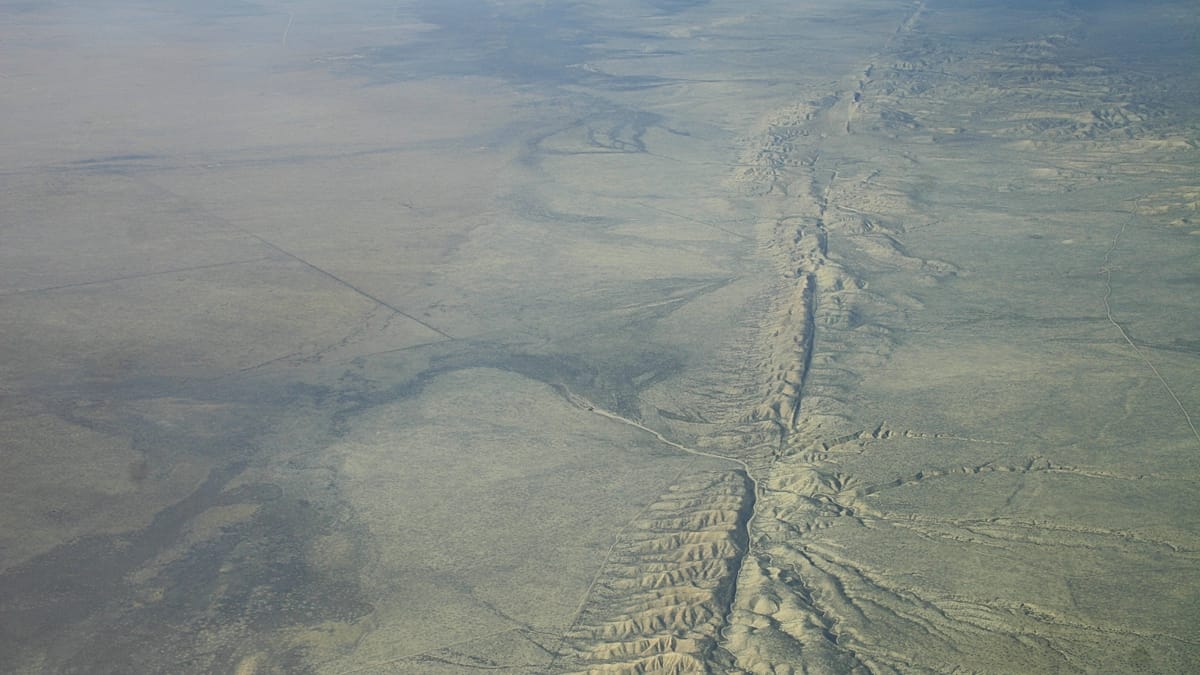
San Andreas Fault Stress Reaches Highest Level in 1,000 Years, Study Finds
A new peer-reviewed study finds that tectonic stress on Southern California's San Andreas and San Jacinto fault systems has reached its highest levels in at least 1,000 years, with the San Jacinto-Bernardino section measuring 3.6 megapascals. The research, led by the University of Hawaiʻi at Mānoa and published in the Journal of Geophysical Research: Solid Earth, used a computer model drawing on geological data including radiocarbon dating and tree-ring records to reconstruct a millennium of earthquake history. The findings cannot predict when a major earthquake will occur but are intended to improve hazard assessments, inform building codes, and guide emergency preparedness in a region home to millions.