Researchers Identify Potential Therapeutic Strategy for Autism Spectrum Disorder
Two new studies published in major journals advance understanding of autism spectrum disorder (ASD) from different angles: one identifies at least two biologically distinct autism subtypes based on brain connectivity patterns, while another demonstrates that silencing a specific glycine transporter gene can reverse autism-related brain deficits in mice and human organoids. The subtype study, published in Nature Neuroscience, analyzed brain scans from 940 individuals with autism and over 1,000 neurotypical controls alongside 20 mouse models, linking hypoconnectivity to synaptic pathways and hyperconnectivity to immune-related mechanisms. The therapy study, published in Nature Communications, used antisense oligonucleotides (ASOs) to suppress the Slc6a20a/SLC6A20 glycine transporter, restoring NMDA receptor function and reversing behavioral deficits in adult mice and CRISPR-edited human cortical organoids without the dangerous side effects seen in prior approaches.
An international team led by the Italian Institute of Technology and the Child Mind Institute identified two reproducible autism subtypes by cross-referencing fMRI brain connectivity data from 940 autistic individuals with biological signatures derived from 20 mouse models. One subtype showed reduced connectivity tied to synaptic gene pathways, while the other showed elevated connectivity linked to immune-related mechanisms; together these two subtypes accounted for roughly 25% of the autistic individuals studied. The findings, published in Nature Neuroscience, represent the first systematic effort to map human brain imaging patterns back to specific biological mechanisms identified in animal models, offering a potential framework for precision medicine in autism. Separately, a team at the IBS Center for Synaptic Brain Dysfunctions published findings in Nature Communications showing that ASO-mediated suppression of the glycine transporter Slc6a20a normalizes NMDA receptor (NMDAR) hypofunction—a core pathology implicated in ASD, schizophrenia, and intellectual disability. Unlike prior approaches that targeted GlyT1, a transporter densely expressed in brainstem regions governing breathing and motor control, Slc6a20a is concentrated in the cortex and hippocampus, allowing the intervention to boost glycine levels in cognition-relevant areas without respiratory side effects. A single ASO dose remained effective for at least eight weeks in adult mice with SHANK2 and SHANK3 mutations, and the effect was replicated in CRISPR-edited human cortical organoids, with phospho-proteomic analyses revealing that the therapy normalizes aberrant protein phosphorylation patterns rather than simply altering protein levels. Both studies underscore that autism is biologically heterogeneous and that targeted, mechanism-specific interventions may offer safer and more effective routes than broad-spectrum approaches.
Limitations & open questions
The subtype study notes that the two identified subtypes represent only about 25% of the autistic individuals analyzed, leaving the biological basis of the remaining 75% unexplained. For the ASO therapy study, the research was conducted exclusively in male mice, and the abstract explicitly notes 'model-dependent rescue profiles,' meaning the intervention did not work uniformly across all autism mouse models tested—a caveat underemphasized in the secondary coverage. Neither study has yet entered human clinical trials, and long-term safety data in humans are absent.
How coverage differed
Medical Xpress and Neuroscience News both cover the ASO/SLC6A20 therapy study and frame it positively, but Neuroscience News provides substantially more technical detail and includes a Q&A format that emphasizes the therapy's advantages over prior approaches, while Medical Xpress offers a briefer, more cautious summary. SciTechDaily covers an entirely different study on autism subtypes and does not overlap with the other two sources.
What different sources said
- Medical XpressCenter
Novel therapy may reverse autism-related brain deficits, study suggests
- SciTechDailyCenter
A Surprising Discovery Suggests Autism Is Not One Condition
- Neuroscience NewsCenter
Silencing One Brain Gene May Reverse Autism Deficits
Related
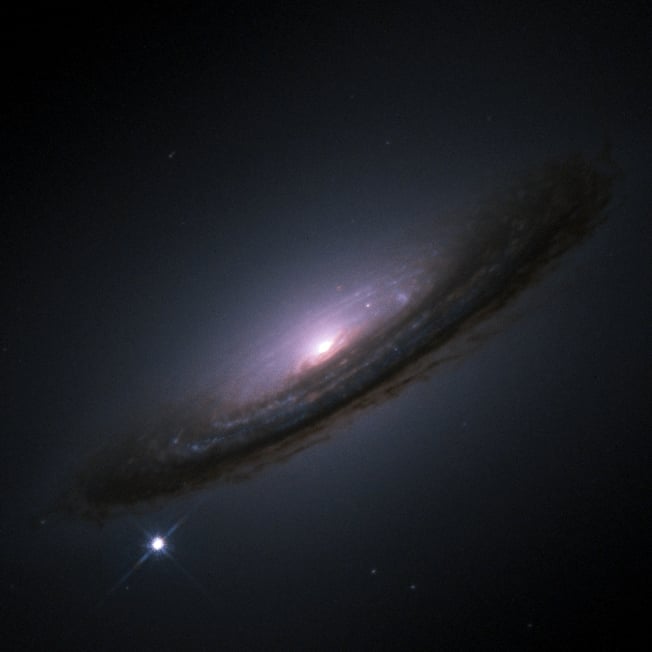
Nobel Laureates Rebut Study Claiming Universe's Expansion Is Slowing, Confirm Acceleration Continues
An international team of astrophysicists, including Nobel laureates Adam Riess and Brian Schmidt, has published a study in the Monthly Notices of the Royal Astronomical Society confirming that the universe's expansion is still accelerating. The rebuttal targets a late-2024 South Korean study that had claimed dark energy was weakening, a finding that would have overturned nearly three decades of cosmological understanding. The new study identifies two specific methodological errors in the earlier work, restoring confidence in the standard model of cosmic acceleration while leaving the deeper mystery of what dark energy actually is unresolved.

Study Finds Trees May Store Less Carbon Than Climate Models Predict
A new study published in Science Advances found that oak trees stop growing months before they stop photosynthesizing, meaning increased carbon uptake does not necessarily translate into more wood growth and long-term carbon storage. Researchers analyzed 137 sites across the US, finding that 26–36% of annual carbon uptake occurred after tree growth had already ceased, with drought and heat identified as key triggers for halting growth. The findings suggest that widely used climate models, which assume photosynthesis and growth are tightly linked, may be overestimating forests' future capacity to sequester carbon.
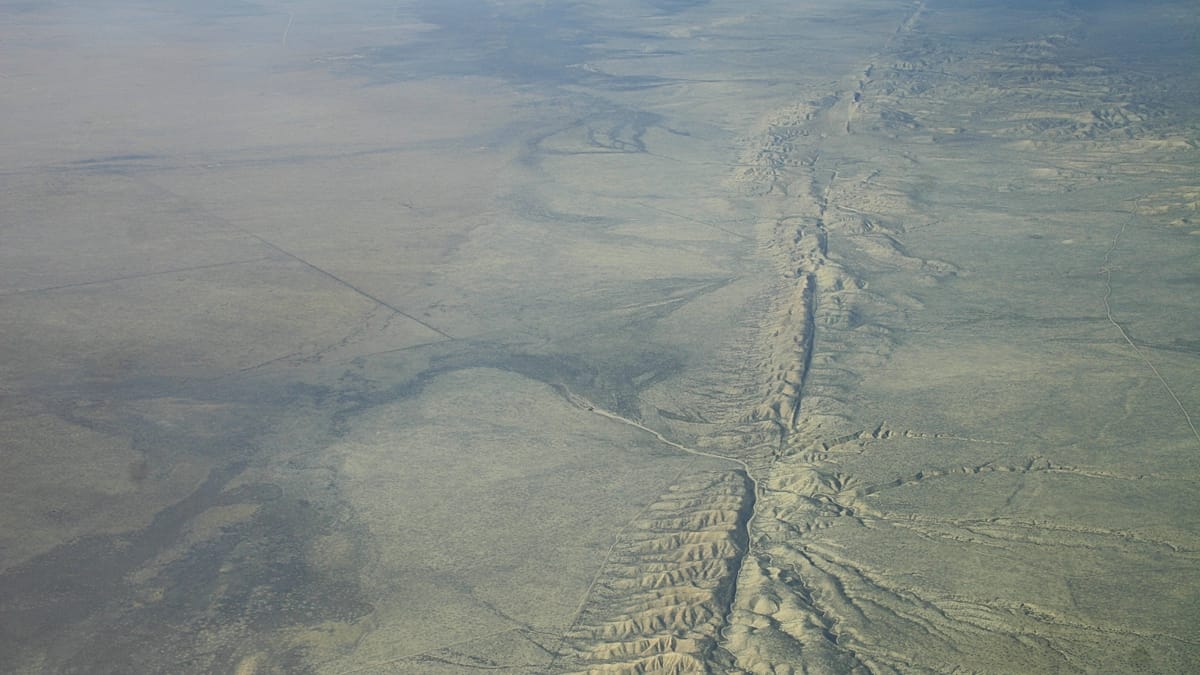
San Andreas Fault Stress Reaches Highest Level in 1,000 Years, Study Finds
A new peer-reviewed study finds that tectonic stress on Southern California's San Andreas and San Jacinto fault systems has reached its highest levels in at least 1,000 years, with the San Jacinto-Bernardino section measuring 3.6 megapascals. The research, led by the University of Hawaiʻi at Mānoa and published in the Journal of Geophysical Research: Solid Earth, used a computer model drawing on geological data including radiocarbon dating and tree-ring records to reconstruct a millennium of earthquake history. The findings cannot predict when a major earthquake will occur but are intended to improve hazard assessments, inform building codes, and guide emergency preparedness in a region home to millions.