Researchers Develop Nano Fabrics to Reduce Firefighters' Skin Cancer Risk from Smoke Exposure
Researchers at Oklahoma State University are developing nanofabric-based protective clothing to prevent carcinogenic smoke particles from reaching wildland firefighters' skin. A 2025 study found firefighters face a 58% higher risk of dying from skin cancer and a 40% higher risk of dying from kidney cancer compared to non-firefighters, partly because harmful compounds in smoke and ash can pass through most current protective gear. The research matters because rising wildfire frequency and duration means more firefighters face prolonged chemical exposure, and existing gear prioritizes heat resistance over particle filtration.
Wildland firefighters are routinely exposed to carcinogenic compounds in smoke, ash, and soot that can penetrate most standard protective clothing, mix with sweat and skin oils, and eventually enter the bloodstream. A 2025 study quantified the risk, finding firefighters have a 58% higher likelihood of dying from skin cancer and a 40% higher likelihood of dying from kidney cancer than non-firefighters. Researchers at Oklahoma State University's Textile and Apparel Science Laboratory collected contaminated gear from controlled-burn sites and confirmed that ultrafine carcinogenic particles travel through many fabrics currently in use, as illustrated by electron microscope comparisons of clean versus soot-laden Nomex samples. Their work focuses on multilayer nanofabric systems—produced via electrospinning—that feature extremely thin fibers and small pores capable of physically blocking and chemically capturing fine particles using materials such as activated carbon or graphene, while still allowing air and moisture vapor to pass through. Current gear often relies on PFAS chemicals for liquid protection, which are themselves a growing health concern, and most manufacturers still prioritize thermal protection over particle filtration. Rougher fiber surfaces can trap particles on the outer layer, but they also accumulate contaminants and may reduce breathability, creating a design trade-off the team is working to resolve. The ultimate goal is gear that simultaneously filters harmful particles, maintains breathability to prevent heat stress, and eliminates reliance on PFAS.
Limitations & open questions
The article does not specify the current stage of development or timeline for these nanofabric prototypes—whether they have been tested in real wildfire conditions beyond controlled-burn sites, or whether any clinical or field trials are planned. The durability of nanofiber layers under repeated washing and heavy field use, and the potential cost implications for firefighting agencies, are also not addressed.
What different sources said
- Phys.orgCenter
Firefighters face a higher risk of skin cancer, but nano fabrics with tiny, rough fibers can help keep them safer
- The ConversationCenter
Firefighters face a higher risk of skin cancer – nano fabrics with tiny, rough fibers can help keep them safer
Related
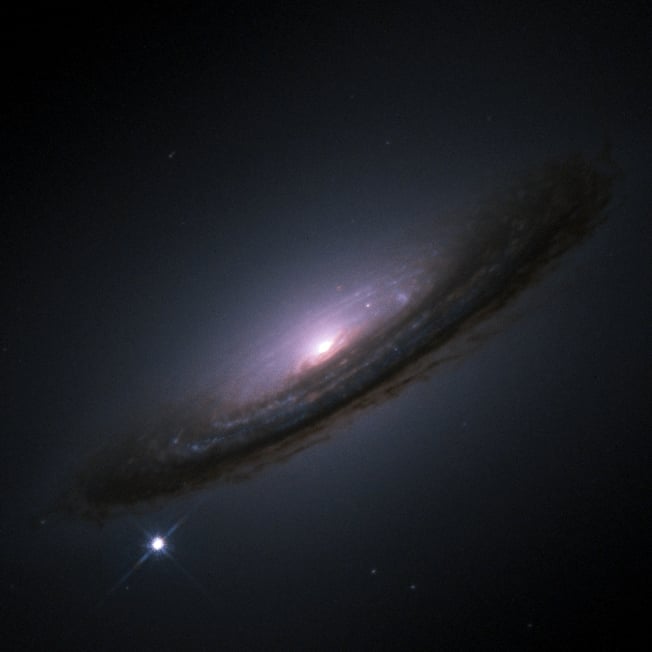
Nobel Laureates Rebut Study Claiming Universe's Expansion Is Slowing, Confirm Acceleration Continues
An international team of astrophysicists, including Nobel laureates Adam Riess and Brian Schmidt, has published a study in the Monthly Notices of the Royal Astronomical Society confirming that the universe's expansion is still accelerating. The rebuttal targets a late-2024 South Korean study that had claimed dark energy was weakening, a finding that would have overturned nearly three decades of cosmological understanding. The new study identifies two specific methodological errors in the earlier work, restoring confidence in the standard model of cosmic acceleration while leaving the deeper mystery of what dark energy actually is unresolved.

Study Finds Trees May Store Less Carbon Than Climate Models Predict
A new study published in Science Advances found that oak trees stop growing months before they stop photosynthesizing, meaning increased carbon uptake does not necessarily translate into more wood growth and long-term carbon storage. Researchers analyzed 137 sites across the US, finding that 26–36% of annual carbon uptake occurred after tree growth had already ceased, with drought and heat identified as key triggers for halting growth. The findings suggest that widely used climate models, which assume photosynthesis and growth are tightly linked, may be overestimating forests' future capacity to sequester carbon.
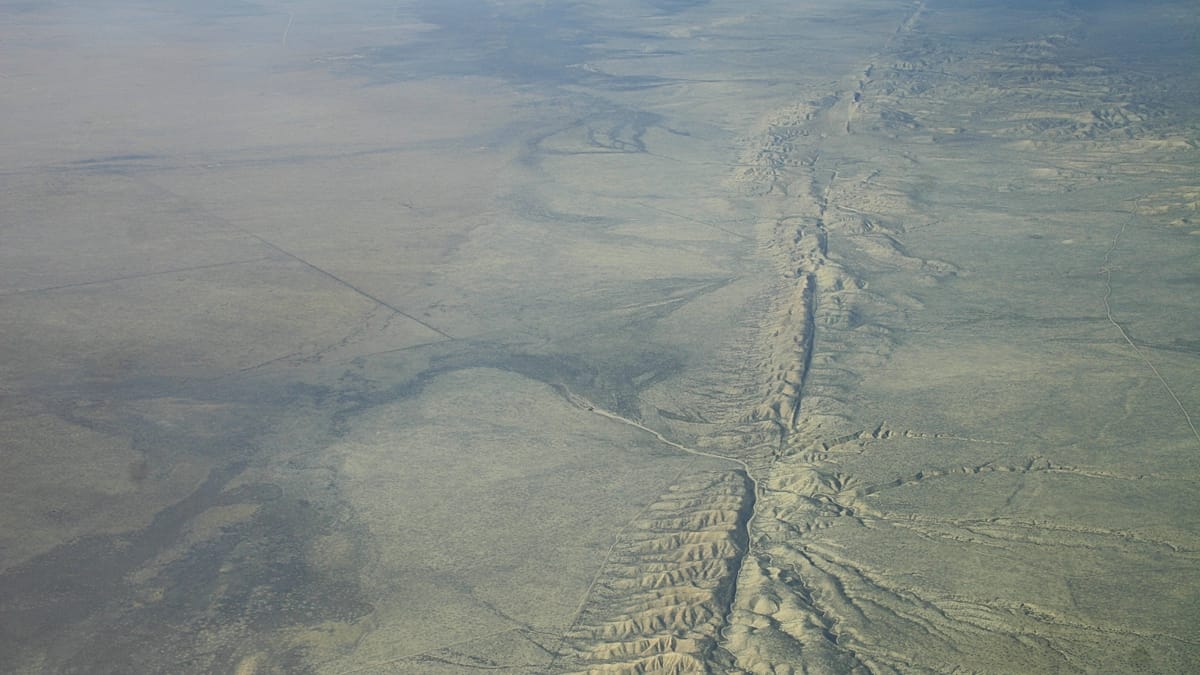
San Andreas Fault Stress Reaches Highest Level in 1,000 Years, Study Finds
A new peer-reviewed study finds that tectonic stress on Southern California's San Andreas and San Jacinto fault systems has reached its highest levels in at least 1,000 years, with the San Jacinto-Bernardino section measuring 3.6 megapascals. The research, led by the University of Hawaiʻi at Mānoa and published in the Journal of Geophysical Research: Solid Earth, used a computer model drawing on geological data including radiocarbon dating and tree-ring records to reconstruct a millennium of earthquake history. The findings cannot predict when a major earthquake will occur but are intended to improve hazard assessments, inform building codes, and guide emergency preparedness in a region home to millions.