Rare Goblin Sharks Filmed in Natural Deep-Sea Habitat for First Time
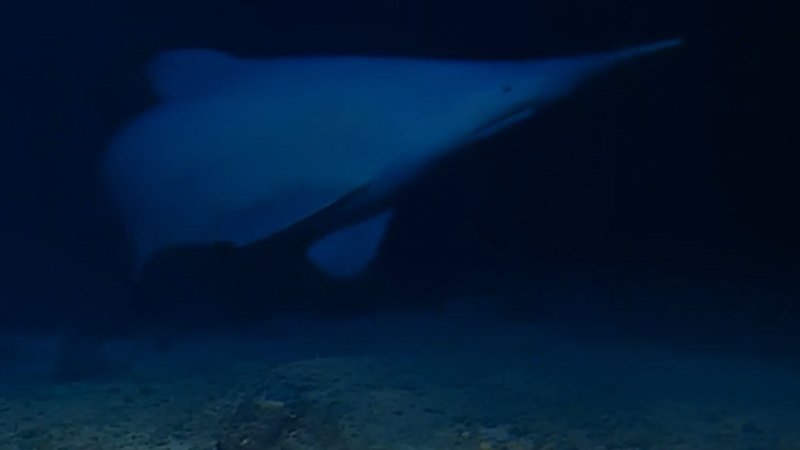
Scientists have published the first peer-reviewed, confirmed video observations of the goblin shark (Mitsukurina owstoni) alive in its natural deep-ocean habitat, documenting two separate sightings in the central Pacific Ocean. The study, led by University of Hawaiʻi at Mānoa doctoral candidate Aaron Judah and published in the Journal of Fish Biology, details footage from a 2019 ROV expedition near Jarvis Island and a 2024 baited-camera deployment at the Tonga Trench. The findings significantly extend the species' known geographic and depth range, enabling its inclusion in regional conservation and biodiversity management plans for the first time.
A University of Hawaiʻi at Mānoa-led research team has published the first confirmed, peer-reviewed in-situ observations of the goblin shark alive in its natural habitat, ending more than a century of the species being seen only when accidentally caught by fishermen and brought to the surface. The study documents two sightings: a 2019 remotely operated vehicle (ROV) recording from the E/V Nautilus on an unnamed seamount northwest of Jarvis Island at approximately 1,237 meters depth, and a 2024 baited-camera recording aboard the R/V Dagon on the slope of the Tonga Trench at 1,997 meters depth — nearly 700 meters deeper than the species had previously been documented. The 2024 observation, captured after more than 50 days of continuous deep-sea recording, also extends the depth record for the entire order Lamniformes — the mackerel sharks, which includes great white, mako, and basking sharks — by 108 meters. Both sightings were made in the central Pacific, a region where the species was previously unknown, substantially expanding its recognized geographic range beyond narrow coastal zones near Japan, Australia, the western United States, and parts of the Atlantic and Indian oceans. Deep-sea footage and stills from both expeditions show the shark's characteristic elongated rostrum, pale pinkish coloration, and protrusible jaws near rocky seafloors. Researchers emphasize that the expanded range now allows the goblin shark to be formally included in regional biodiversity lists and wildlife management frameworks, and that the findings underscore how much of the deep ocean remains unexplored.
Limitations & open questions
The study's own acknowledged limitations include the extremely brief duration of the footage (the 2024 clip lasted just over 20 seconds and the 2019 sighting was a passing glimpse), meaning behavioral data, population size, and life-history information remain almost entirely unknown. No population estimates exist.
What different sources said
- Yahoo FinanceCenter
Goblin shark seen alive in natural deep-sea habitat for the first time
- Sydney Morning HeraldCenter
Aussie researchers get first-of-its kind glimpse of elusive goblin shark
- Phys.orgCenter
Rare deep-sea goblin sharks filmed in natural habitat for first time
- New York PostRight
Goblin shark spotted for first time in its natural habitat — one of the deepest parts of the ocean
- ABC NewsCenter
Rare goblin shark filmed in the wild for 1st time, study says
- CBS NewsCenter
Goblin shark seen alive in natural deep-sea habitat for the first time
- XinhuaCenter
Researchers record first live observations of rare goblin shark
Related
Nobel Laureates Rebut Study Claiming Universe's Expansion Is Slowing, Confirm Acceleration Continues
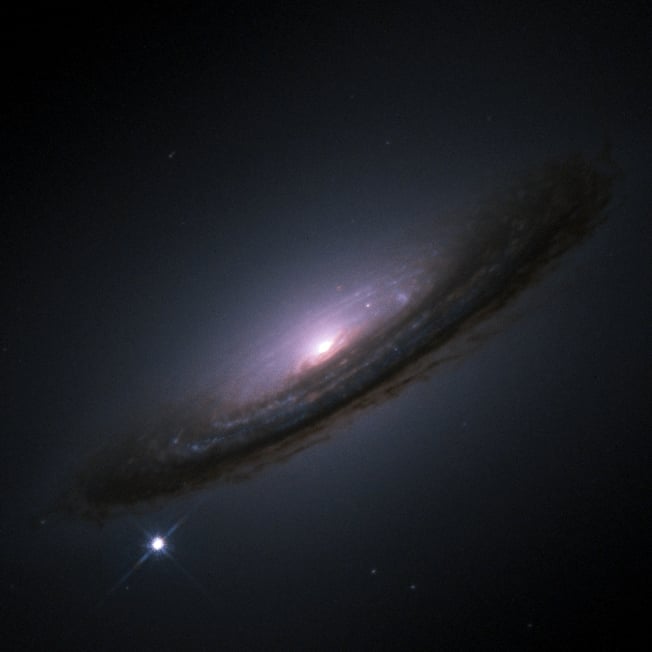
An international team of astrophysicists, including Nobel laureates Adam Riess and Brian Schmidt, has published a study in the Monthly Notices of the Royal Astronomical Society confirming that the universe's expansion is still accelerating. The rebuttal targets a late-2024 South Korean study that had claimed dark energy was weakening, a finding that would have overturned nearly three decades of cosmological understanding. The new study identifies two specific methodological errors in the earlier work, restoring confidence in the standard model of cosmic acceleration while leaving the deeper mystery of what dark energy actually is unresolved.
Study Finds Trees May Store Less Carbon Than Climate Models Predict
A new study published in Science Advances found that oak trees stop growing months before they stop photosynthesizing, meaning increased carbon uptake does not necessarily translate into more wood growth and long-term carbon storage. Researchers analyzed 137 sites across the US, finding that 26–36% of annual carbon uptake occurred after tree growth had already ceased, with drought and heat identified as key triggers for halting growth. The findings suggest that widely used climate models, which assume photosynthesis and growth are tightly linked, may be overestimating forests' future capacity to sequester carbon.
San Andreas Fault Stress Reaches Highest Level in 1,000 Years, Study Finds
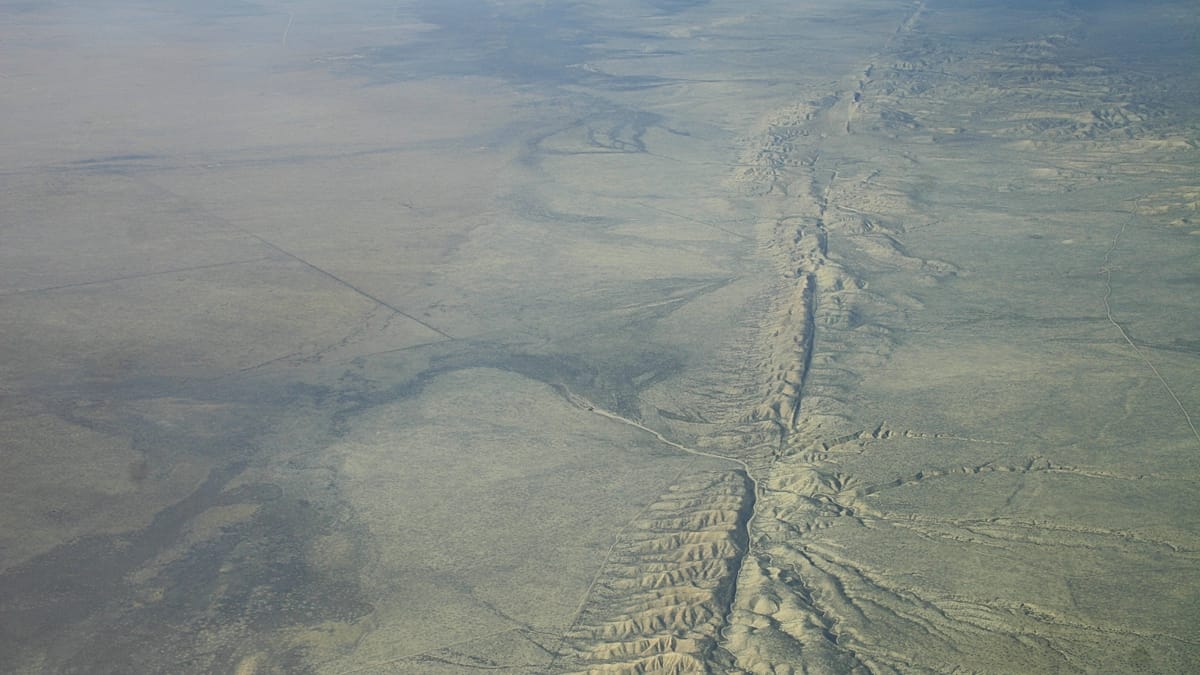
A new peer-reviewed study finds that tectonic stress on Southern California's San Andreas and San Jacinto fault systems has reached its highest levels in at least 1,000 years, with the San Jacinto-Bernardino section measuring 3.6 megapascals. The research, led by the University of Hawaiʻi at Mānoa and published in the Journal of Geophysical Research: Solid Earth, used a computer model drawing on geological data including radiocarbon dating and tree-ring records to reconstruct a millennium of earthquake history. The findings cannot predict when a major earthquake will occur but are intended to improve hazard assessments, inform building codes, and guide emergency preparedness in a region home to millions.