Queensland engineering student develops smart clock to help elderly maintain independence after grandfather's fall
Kai Gould, a 20-year-old electrical engineering student, invented MedClock, a smart alarm clock that alerts family members when elderly relatives complete daily tasks, after his grandfather spent nearly two days undiscovered following a fall on his farm. The device allows older people to maintain independence while keeping families informed of their wellbeing, addressing a gap in aged care support as Australia faces growing waitlists. The invention has gained significant traction, with over 8,000 social media engagements, placement in seven pharmacies, and interest from hospitals and retirement villages.
Kai Gould created MedClock after his grandfather Brett, 79, suffered a serious fall at his farm west of Toowoomba that went undetected for nearly two days. The incident highlighted the tension between elderly people's desire for independence and their families' safety concerns. Rather than traditional wearable alert devices that his grandfather rejected, Gould designed a stationary smart clock that displays medication reminders and sends automatic text messages to nominated contacts when buttons are pressed, allowing families to check in without constant phone calls that felt intrusive. The device has resonated widely—Gould received over 8,000 likes and 100 direct inquiries after posting on social media, leading to placement in seven pharmacies, trials at a Sunshine Coast retirement village, and hospital interest. Gould has prioritized affordability and accessibility over investor demands to raise prices, assembling units with his father in their garage. Aged care experts note the device addresses a significant gap, as Australia has over 3,300 medically well elderly people stranded in hospital beds on aged care waitlists, and most older people prefer aging in their communities rather than residential facilities.
What different sources said
- ABC AustraliaCenter
Grandfather's fall inspires 20yo student's smart clock invention
Related

Shaquille O'Neal Reveals Use of GLP-1 Drug Zepbound for Sleep Apnea and Weight Management
Shaquille O'Neal disclosed that he has been taking the GLP-1 drug Zepbound to address obstructive sleep apnea, a condition he was diagnosed with in 2011 after retiring from the NBA. GLP-1 medications were originally developed for Type 2 diabetes and sleep apnea but have gained popularity as weight-loss drugs among celebrities and athletes. O'Neal's disclosure adds to a growing trend of high-profile athletes publicly using these medications for health and wellness purposes.

San Diego Plastic Surgeon Ordered to Stop Practicing After Failing Alcohol Tests While on Probation
Dr. Abhay Gupta, a San Diego-area plastic surgeon, has been ordered to cease practicing after testing positive for alcohol three times within 10 days while under probation conditions. Gupta's medical license was revoked in 2022 following a 2019 DUI conviction, but he was allowed to continue operating under strict conditions including alcohol abstinence and regular testing. Patient advocates are raising concerns about how many patients may have been affected during the years of disciplinary actions.
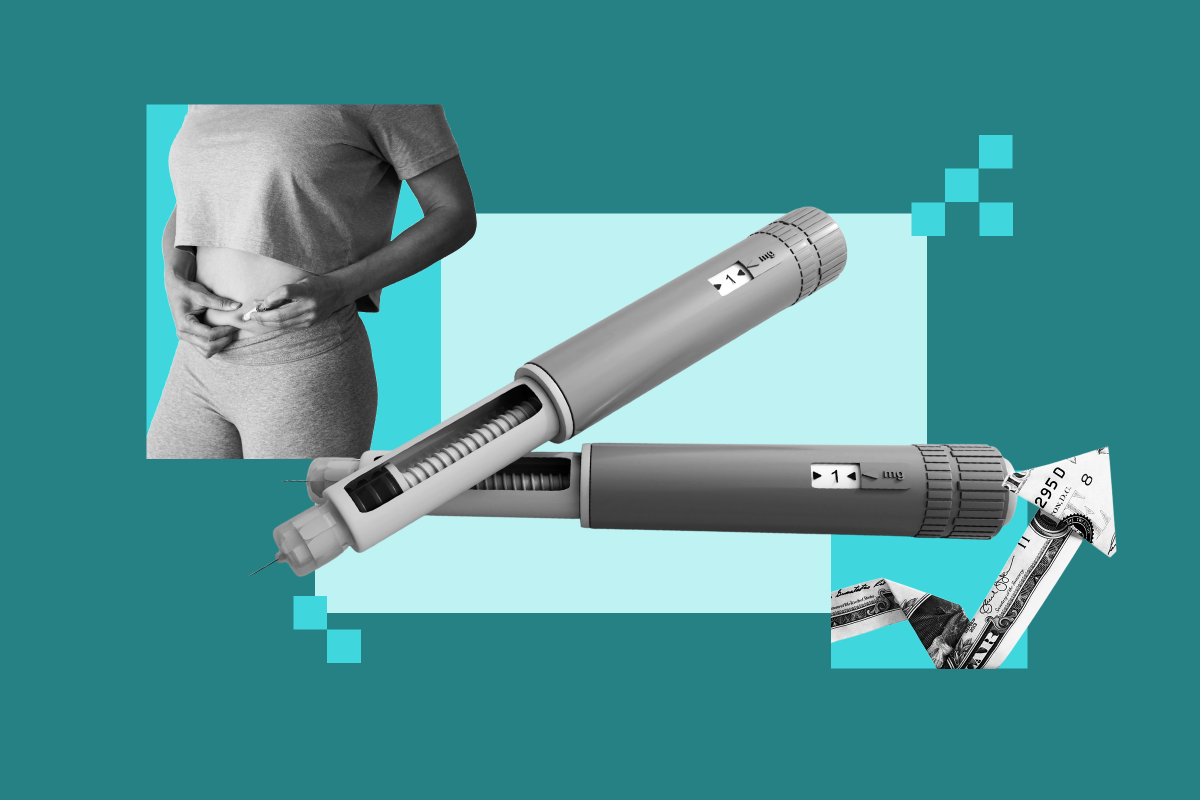
Employers Face 'Prisoner's Dilemma' Over GLP-1 Coverage Decisions
Pharmaceutical and benefits industry leaders discussed at a Newsweek webinar why only 36% of employers cover GLP-1 therapies despite evidence that obesity costs the U.S. healthcare system over $261 billion annually. The debate centers on a 'prisoner's dilemma' where individual employers hesitate to invest in treatments whose financial returns may take years to materialize, even though not covering them carries significant long-term costs. The discussion highlights how GLP-1 coverage decisions could affect workforce retention and talent recruitment, particularly among younger employees.