Queen Cell Architecture Shapes Honey Bee Queen Development
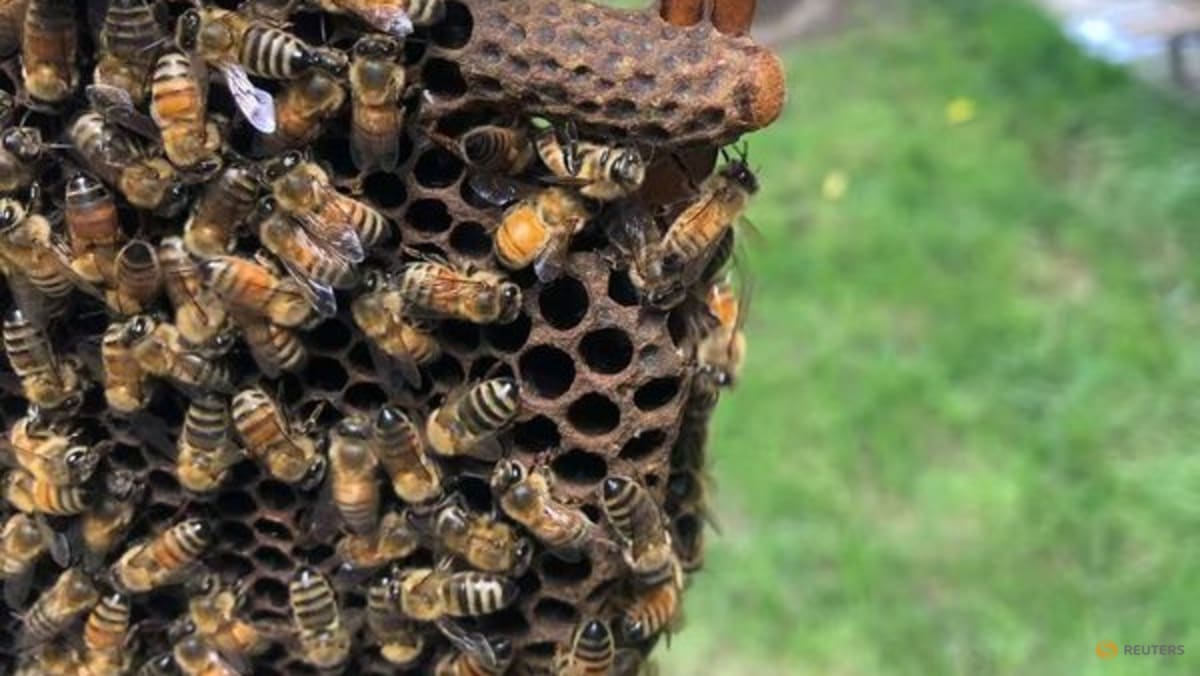
A study published in Nature finds that the physical and chemical properties of the wax chamber built for a honeybee queen larva play a critical role in her development, challenging the long-held view that diet alone determines queen status. Queen cells are constructed from a distinct wax that is softer, has a higher melting point, and releases different chemical compounds than worker cells. The findings suggest that the larval environment — not just nutrition — is essential to producing a healthy queen, with implications for beekeeping and colony health.
Researchers from the Chinese Academy of Agricultural Sciences and collaborating institutions have demonstrated that the wax architecture of honeybee queen cells actively shapes queen development, overturning the prevailing 'nutritional determinism' dogma that royal jelly alone determines whether a larva becomes a queen. Queen cell wax was found to be chemically and physically distinct from worker cell wax: it is softer, melts at a higher temperature, and emits a different volatile chemical profile that may act as hormonal triggers for the developing larva. In controlled experiments, larvae fed royal jelly but housed in worker-cell wax showed significantly poorer queen development and higher mortality, demonstrating the wax environment's independent contribution. The study also identified a subset of younger worker bees that specialize temporarily in queen cell construction, elevating their thoracic temperatures above 39°C to process the high-melting-point wax, with distinct gene expression patterns related to lipid metabolism. These bees are not a permanent caste but flexible workers taking on a short-term role while continuing other hive duties. The findings were validated in a second honeybee species, Apis cerana, suggesting the mechanism may be broadly conserved. Researchers note that the precise molecular trigger — whether a specific chemical scent or physical property of the wax — remains to be identified.
Limitations & open questions
The study does not yet identify which specific chemical compound or physical property of queen cell wax is the active ingredient driving queen development, an acknowledged limitation noted by both the authors and an independent expert. Additionally, while effects were replicated in Apis cerana, it remains unclear whether the mechanism extends to other social insects such as stingless bees, termites, or wasps, as the authors only speculate about this possibility.
What different sources said
- Nature NewsCenter
Queen cell architecture shapes honey bee queen development
- Channel NewsAsiaCenter
Worker bees build a 'royal palace' for the honeybee queen
- KSL NewsCenter
Worker bees build a 'royal palace' for the honeybee queen
- ReutersCenter
Worker bees build a 'royal palace' for the honeybee queen
- NewserCenter
To Make a Queen, There's a Special Kind of Worker Bee
Related
Nobel Laureates Rebut Study Claiming Universe's Expansion Is Slowing, Confirm Acceleration Continues
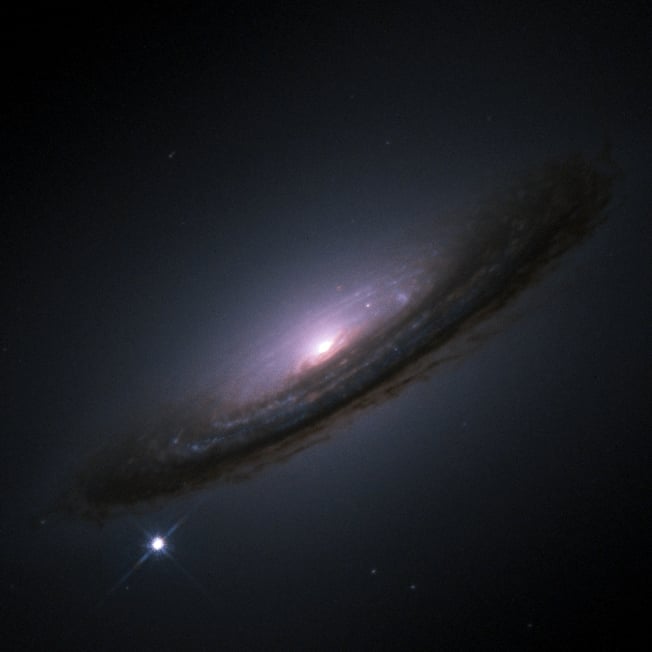
An international team of astrophysicists, including Nobel laureates Adam Riess and Brian Schmidt, has published a study in the Monthly Notices of the Royal Astronomical Society confirming that the universe's expansion is still accelerating. The rebuttal targets a late-2024 South Korean study that had claimed dark energy was weakening, a finding that would have overturned nearly three decades of cosmological understanding. The new study identifies two specific methodological errors in the earlier work, restoring confidence in the standard model of cosmic acceleration while leaving the deeper mystery of what dark energy actually is unresolved.
Study Finds Trees May Store Less Carbon Than Climate Models Predict
A new study published in Science Advances found that oak trees stop growing months before they stop photosynthesizing, meaning increased carbon uptake does not necessarily translate into more wood growth and long-term carbon storage. Researchers analyzed 137 sites across the US, finding that 26–36% of annual carbon uptake occurred after tree growth had already ceased, with drought and heat identified as key triggers for halting growth. The findings suggest that widely used climate models, which assume photosynthesis and growth are tightly linked, may be overestimating forests' future capacity to sequester carbon.
San Andreas Fault Stress Reaches Highest Level in 1,000 Years, Study Finds
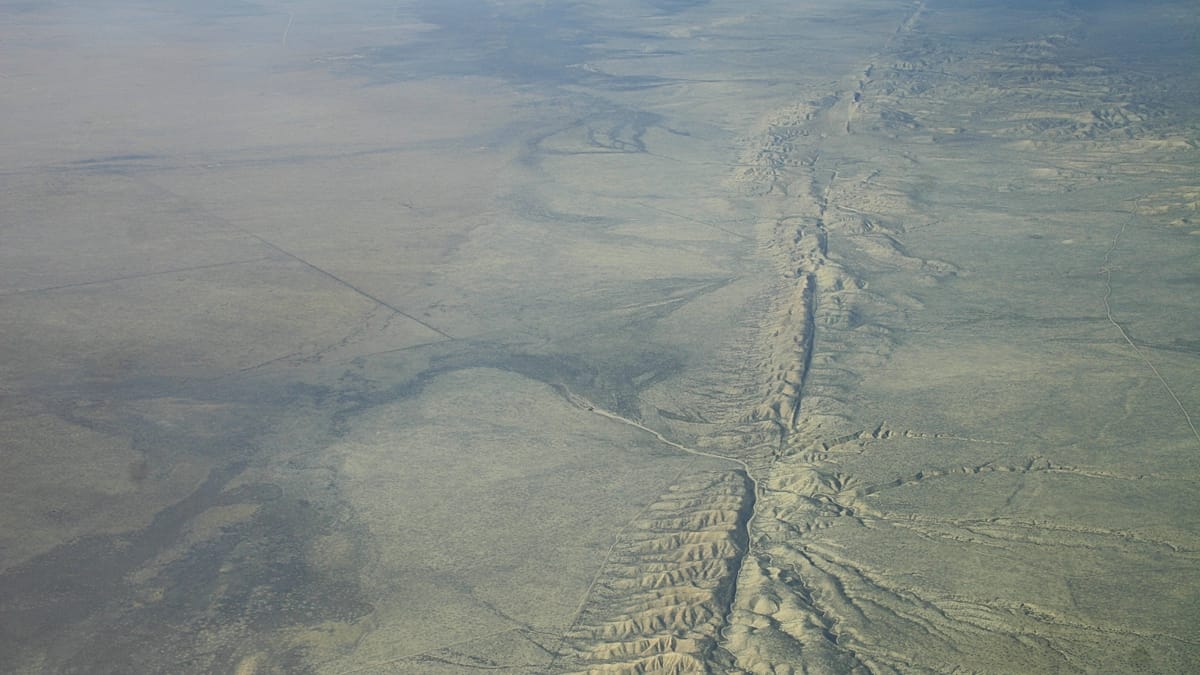
A new peer-reviewed study finds that tectonic stress on Southern California's San Andreas and San Jacinto fault systems has reached its highest levels in at least 1,000 years, with the San Jacinto-Bernardino section measuring 3.6 megapascals. The research, led by the University of Hawaiʻi at Mānoa and published in the Journal of Geophysical Research: Solid Earth, used a computer model drawing on geological data including radiocarbon dating and tree-ring records to reconstruct a millennium of earthquake history. The findings cannot predict when a major earthquake will occur but are intended to improve hazard assessments, inform building codes, and guide emergency preparedness in a region home to millions.