Powerful El Niño Developing in Pacific, Expected to Reshape Global Weather Patterns
The US National Oceanic and Atmospheric Administration officially declared on June 11, 2026 that El Niño conditions have formed in the tropical Pacific Ocean, with sea surface temperatures exceeding the 0.5°C-above-average threshold. NOAA gives a 63% probability that the event will intensify into a 'very strong' El Niño — defined as 2°C or more above average — between November 2026 and January 2027, which would rank among the largest on record since 1950; some climate models project temperatures could exceed 3°C above average. Layered on top of already record-high global temperatures driven by human-caused warming, the event is expected to trigger widespread droughts, floods, wildfires, and food supply disruptions across multiple continents, with 2027 widely forecast to become the hottest year on record.
NOAA's Climate Prediction Center issued an El Niño Advisory on June 11, 2026, confirming that ocean and atmospheric conditions in the tropical Pacific now meet the criteria for El Niño, with the Japan Meteorological Agency having made a similar declaration days earlier. The agency assigns a 63% chance of a 'very strong' event peaking in the November 2026–January 2027 window, a significant upgrade from prior forecasts; some US and European ECMWF models project Pacific sea surface temperatures could climb more than 3°C above average, which would surpass the 2.5°C record set during the 1982–83 event. Scientists emphasize that this El Niño is developing on a planet already approximately 1.37–1.39°C warmer than pre-industrial levels due to human activity, meaning regional temperature extremes could be unprecedented even by historical El Niño standards. Expected regional impacts include drought and wildfire risk across Australia, Indonesia, and northern South America; disrupted monsoons and intensified heat waves in India and Southeast Asia; flooding in parts of western South America, East Africa, Central Asia, and the southern United States; and a suppressed Atlantic hurricane season. The event is also projected to push global food supply chains under stress, particularly for maize and rice, while marine ecosystems face compounding pressure from El Niño-driven marine heat waves on top of already near-record ocean temperatures. NOAA also introduced a new monitoring tool, the Relative Oceanic Niño Index (RONI), which adjusts for long-term ocean warming trends to more accurately identify ENSO phases. UN Secretary-General António Guterres called the development 'an urgent climate warning,' urging accelerated action on fossil fuel emissions.
How coverage differed
The Guardian framed the El Niño primarily through a lens of global economic inequality, emphasizing how climate shocks disproportionately harm the world's poorest populations and are compounded by existing crises such as fertilizer shortages and supply chain vulnerabilities — a framing largely absent from centrist outlets. Most other sources, including BBC, AP, Reuters, and NOAA itself, focused on the meteorological facts, regional weather impacts, and probabilistic forecasts without the structural economic critique.
What different sources said
- Eos (AGU)Center
6 Ways This Year’s “Super El Niño” Could Affect Climate, Humans, and Marine Creatures
- ABC AustraliaCenter
US forecasters say potentially record-breaking El Niño underway
- BloombergCenter
El Niño Emerges in the Pacific, Raising Heat Risks
- Sky NewsCenter
Risk of 'very strong' El Nino raising global temperatures, scientists warn
- Bangkok PostCenter
Scientists warn of record heat as climate monitoring threatened
‘Super El Niño’ is officially here, scientists say. What can we expect?
- AP NewsCenter
El Nino is here and scientists fear it’ll be big, bad and costly with heat, floods, droughts, fires
NOAA Issues El Nino Advisory
- PBS NewsHourLeft
El Nino is here. It'll be big, bad and costly, scientists fear
- Live ScienceCenter
El Niño is officially here, and will be among the strongest ever recorded, NOAA announces
- South China Morning PostCenter
El Nino is back – and it could be ‘one for the history books’
- DawnCenter
Weather pattern El Nino has begun, says US agency NOAA
- Deutsche WelleCenter
The most powerful El Nino in a century could be on its way
- NewsweekCenter
El Niño Could Bring Sharks to Beaches That Have Never Seen Them
- ReutersCenter
El Nino conditions are present, US forecaster says
El Niño is officially here, bringing domino weather effects across the planet
- The Straits TimesCenter
Why the world is bracing itself for a rare ‘super’ El Nino
- India TodayCenter
Godzilla El Nino to eat up Gujarat, Goa's monsoon rain, worsen water crisis
- WiredLeft
Is It a Super El Niño Year? It Could Turn the World’s Weather Upside Down
- NBC NewsLeft
El Niño is officially here, and this one could be a doozy
- New ScientistCenter
El Niño has started and the weather could get weird
- BBC Top StoriesCenter
El Niño under way and threatens weather extremes, scientists say
- ABC NewsCenter
El Nino returns, likely will intensify into a strong event this year, NOAA says
- Sydney Morning HeraldCenter
El Nino has officially begun, bringing risk of drought, extreme heat and bushfires
- BBCCenter
El Niño has begun, scientists say, and could bring record heat
- The IndependentLeft
‘Super’ El Nino is officially here and scientists fear it’ll ‘get dire very quickly’
- Science (AAAS)Center
El Niño has begun. It may become the strongest this century
- CNN WorldCenter
El Niño is officially here, and it could get historically “super”
- The HinduCenter
El Nino is here and scientists fear it’ll be big, bad and costly with heat, floods, droughts, fires
- Channel NewsAsiaCenter
Weather pattern El Nino has begun, says US agency
El Nino forms, expected to strengthen, say NOAA forecasters
- Scientific AmericanCenter
El Niño is here and could tip Earth to a new record hot year
- CBCLeft
El Niño is officially here, and scientists say it will be particularly strong with widespread impacts
- France 24Center
El Nino returns and could become one of the strongest on record
A ‘very strong’ El Niño is likely. And it could hit California hard
- Phys.orgCenter
Record heat pushes human-driven warming to 1.39C, 1.5C could arrive by 2030
- EuronewsCenter
El Niño is here and scientists fear it'll be big, bad and costly with heat, floods, droughts, fires
- The Weather NetworkCenter
The wait is over: El Niño is officially here and it may make history
- NDTVCenter
El Nino Raises Ocean Temperatures: How Marine Life Could Be Affected
- The ConversationCenter
El Niño is back, and ocean temperatures are already near record highs – that can spell disaster for fish and corals
- ITVXCenter
El Niño officially declared but what does it mean for UK weather? | ITV News
- BusinessLineCenter
El Nino has set in, Positive IOD likely by July, says Japanese weather body
- Times of IndiaCenter
Forecasts indicate El Niño to grow stronger during monsoon: IMD
- Hindustan TimesCenter
El Nino is active now in India, may get stronger this monsoon: IMD | India News
Related
Nobel Laureates Rebut Study Claiming Universe's Expansion Is Slowing, Confirm Acceleration Continues
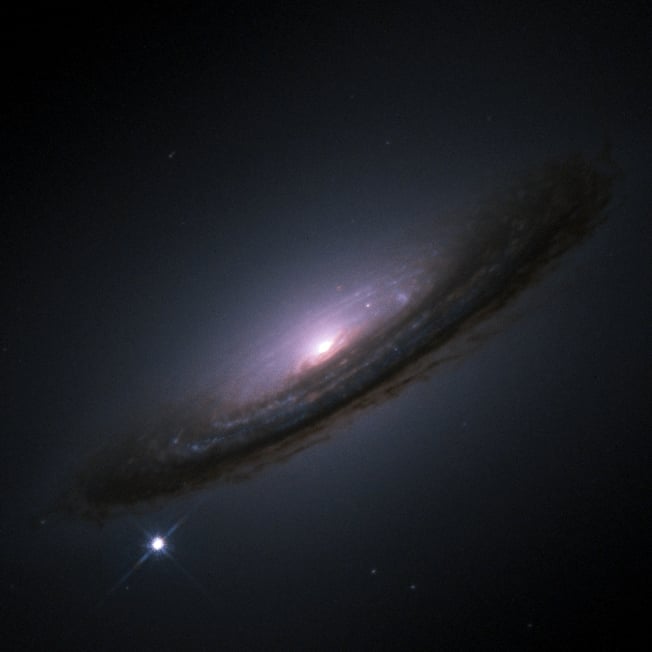
An international team of astrophysicists, including Nobel laureates Adam Riess and Brian Schmidt, has published a study in the Monthly Notices of the Royal Astronomical Society confirming that the universe's expansion is still accelerating. The rebuttal targets a late-2024 South Korean study that had claimed dark energy was weakening, a finding that would have overturned nearly three decades of cosmological understanding. The new study identifies two specific methodological errors in the earlier work, restoring confidence in the standard model of cosmic acceleration while leaving the deeper mystery of what dark energy actually is unresolved.

Study Finds Trees May Store Less Carbon Than Climate Models Predict
A new study published in Science Advances found that oak trees stop growing months before they stop photosynthesizing, meaning increased carbon uptake does not necessarily translate into more wood growth and long-term carbon storage. Researchers analyzed 137 sites across the US, finding that 26–36% of annual carbon uptake occurred after tree growth had already ceased, with drought and heat identified as key triggers for halting growth. The findings suggest that widely used climate models, which assume photosynthesis and growth are tightly linked, may be overestimating forests' future capacity to sequester carbon.
San Andreas Fault Stress Reaches Highest Level in 1,000 Years, Study Finds
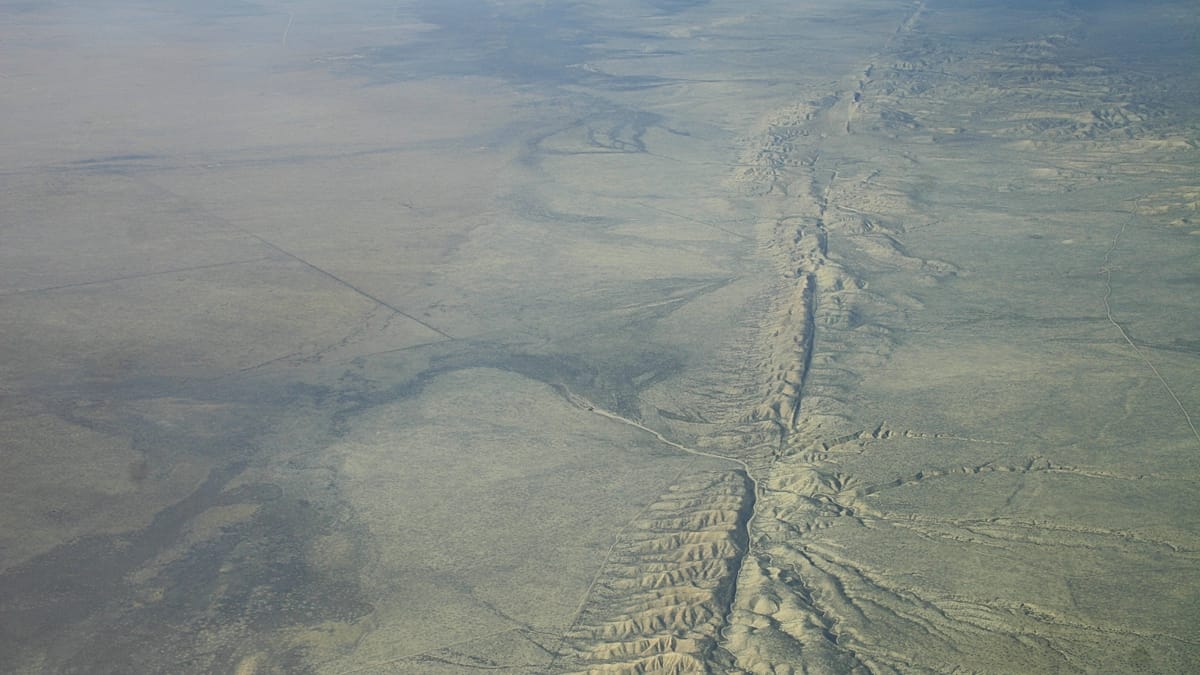
A new peer-reviewed study finds that tectonic stress on Southern California's San Andreas and San Jacinto fault systems has reached its highest levels in at least 1,000 years, with the San Jacinto-Bernardino section measuring 3.6 megapascals. The research, led by the University of Hawaiʻi at Mānoa and published in the Journal of Geophysical Research: Solid Earth, used a computer model drawing on geological data including radiocarbon dating and tree-ring records to reconstruct a millennium of earthquake history. The findings cannot predict when a major earthquake will occur but are intended to improve hazard assessments, inform building codes, and guide emergency preparedness in a region home to millions.