Peacock butterfly wins Britain's favourite butterfly poll with over 20,000 votes

The peacock butterfly has won Butterfly Conservation's first-ever poll to find Britain's favourite butterfly, beating 59 other native species with more than 20,000 votes cast. The top five were all common garden species: peacock, orange-tip, red admiral, holly blue, and brimstone. The result matters as it coincides with the upcoming Big Butterfly Count starting 17 July, where the peacock is expected to feature prominently due to high caterpillar numbers currently reported on nettles.
Butterfly Conservation's inaugural nationwide poll has crowned the peacock butterfly as Britain's favourite, drawing over 20,000 votes across all 60 native species. Known for its striking rusty red, black, and lavender eye-spot markings, the peacock is a widespread species found throughout the British Isles in spring, summer, and autumn. The full top five — peacock, orange-tip, red admiral, holly blue, and brimstone — were all common species regularly seen in gardens, parks, and suburbs. Rarer and more endangered species fared poorly, with the swallowtail, Britain's largest butterfly, finishing ninth, and the iridescent purple emperor coming in a surprising 15th. The bottom ten were dominated by less colourful brown, grey, and golden-brown winged species, suggesting public preference skews strongly toward vivid colouration. The poll's timing aligns with the Big Butterfly Count, the world's largest butterfly survey, which opens on 17 July and invites participants to spend 15 minutes counting butterflies and day-flying moths. The peacock and the migrant painted lady — which finished 10th — are both expected to appear in high numbers this summer.
What different sources said
Britain’s favourite butterfly revealed – and it’s a familiar backyard beauty
Related
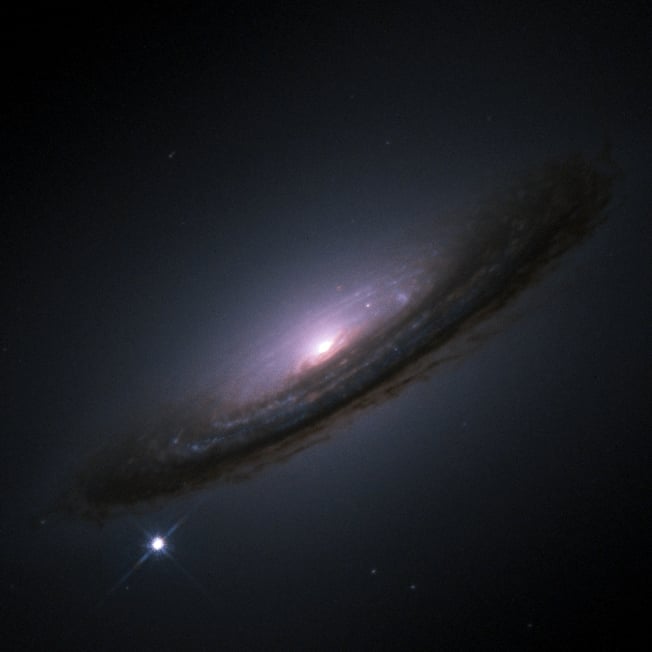
Nobel Laureates Rebut Study Claiming Universe's Expansion Is Slowing, Confirm Acceleration Continues
An international team of astrophysicists, including Nobel laureates Adam Riess and Brian Schmidt, has published a study in the Monthly Notices of the Royal Astronomical Society confirming that the universe's expansion is still accelerating. The rebuttal targets a late-2024 South Korean study that had claimed dark energy was weakening, a finding that would have overturned nearly three decades of cosmological understanding. The new study identifies two specific methodological errors in the earlier work, restoring confidence in the standard model of cosmic acceleration while leaving the deeper mystery of what dark energy actually is unresolved.

Study Finds Trees May Store Less Carbon Than Climate Models Predict
A new study published in Science Advances found that oak trees stop growing months before they stop photosynthesizing, meaning increased carbon uptake does not necessarily translate into more wood growth and long-term carbon storage. Researchers analyzed 137 sites across the US, finding that 26–36% of annual carbon uptake occurred after tree growth had already ceased, with drought and heat identified as key triggers for halting growth. The findings suggest that widely used climate models, which assume photosynthesis and growth are tightly linked, may be overestimating forests' future capacity to sequester carbon.
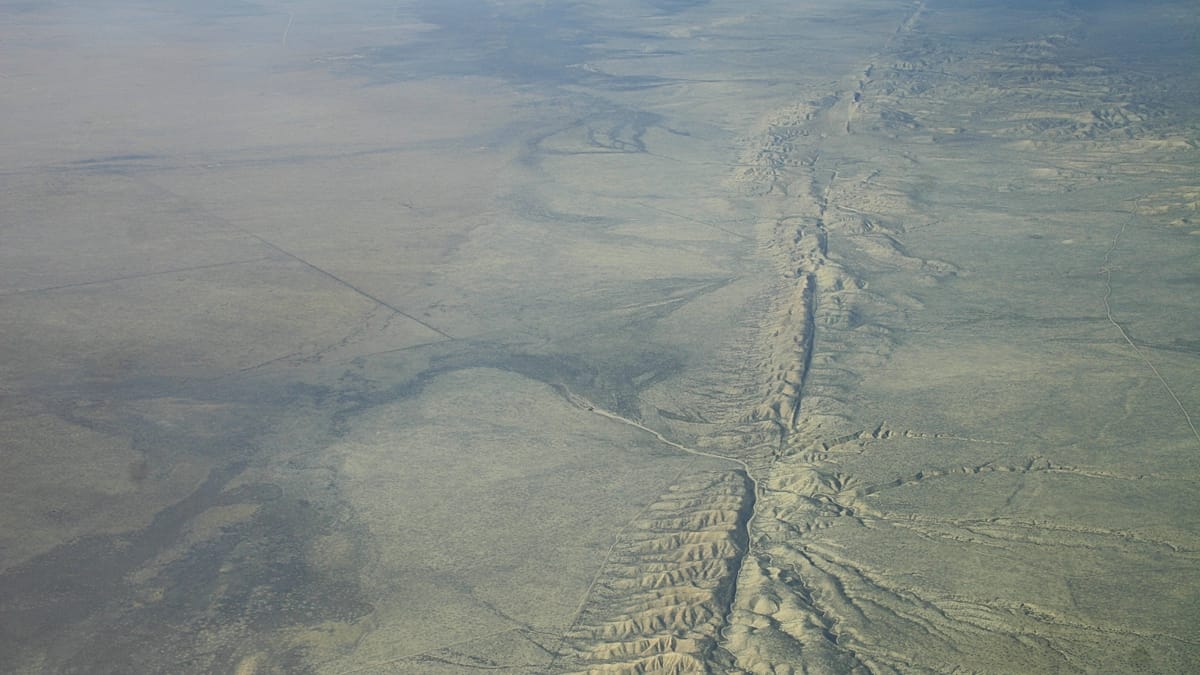
San Andreas Fault Stress Reaches Highest Level in 1,000 Years, Study Finds
A new peer-reviewed study finds that tectonic stress on Southern California's San Andreas and San Jacinto fault systems has reached its highest levels in at least 1,000 years, with the San Jacinto-Bernardino section measuring 3.6 megapascals. The research, led by the University of Hawaiʻi at Mānoa and published in the Journal of Geophysical Research: Solid Earth, used a computer model drawing on geological data including radiocarbon dating and tree-ring records to reconstruct a millennium of earthquake history. The findings cannot predict when a major earthquake will occur but are intended to improve hazard assessments, inform building codes, and guide emergency preparedness in a region home to millions.