NASA's Artemis III and IV Missions to Use New Axiom Spacesuits Designed with Prada
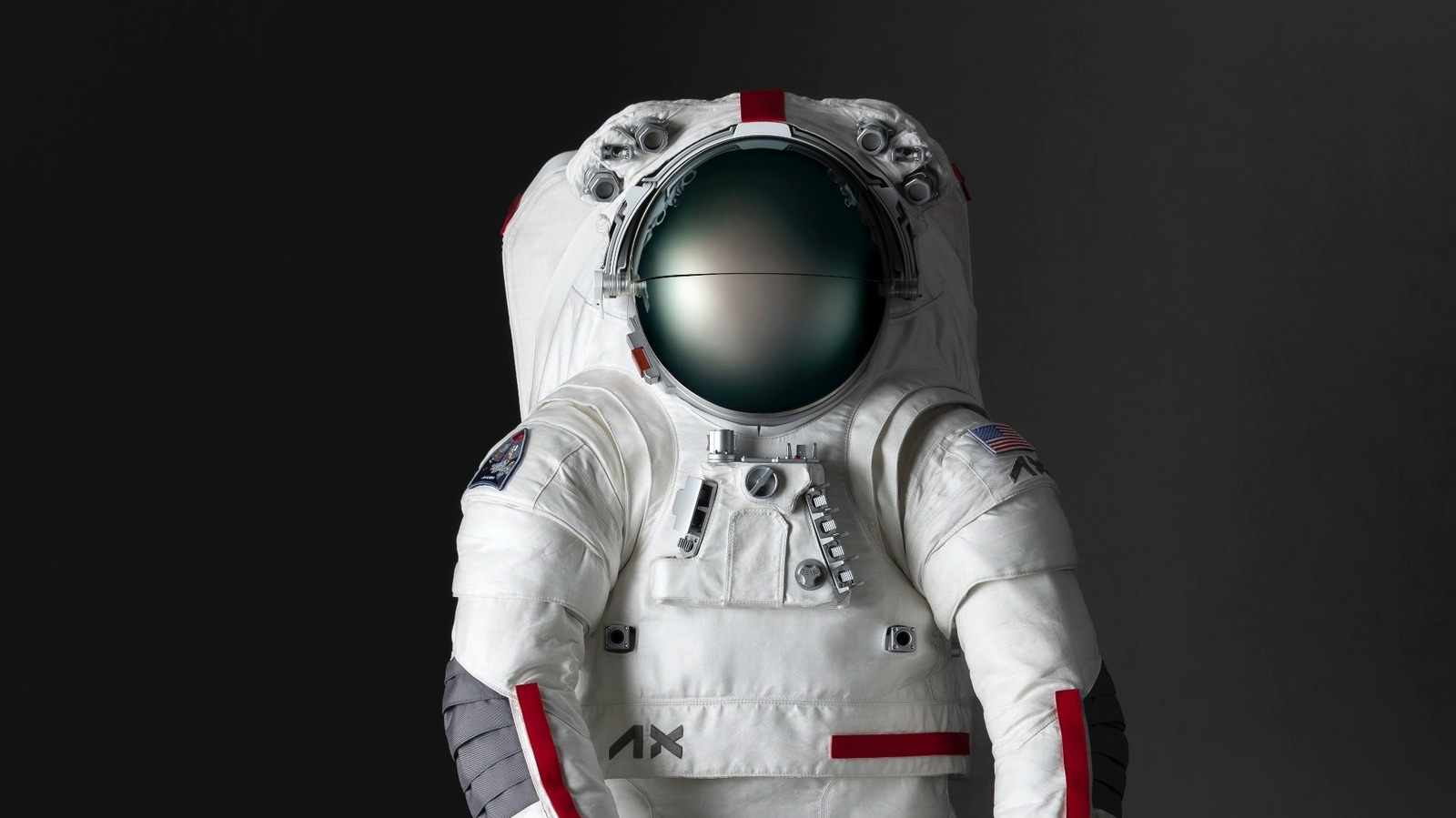
NASA's Artemis III mission, scheduled for 2027, is advancing on multiple fronts, with ESA seeking a path to land a European astronaut on the Moon in follow-on missions and Axiom Space unveiling the life-support spacesuit astronauts will wear. Italian astronaut Luca Parmitano has been named as pilot for Artemis III, but ESA Director General Josef Aschbacher says this is only a stepping stone toward the broader goal of a European lunar surface landing. The developments highlight both the international ambitions tied to the Artemis program and the significant engineering challenges of keeping humans alive on the Moon.
NASA's Artemis program is generating activity on two major fronts ahead of its planned 2027 crewed mission. ESA Director General Josef Aschbacher, speaking at the ILA Berlin air show after visiting NASA in Houston, confirmed that Italian astronaut Luca Parmitano will pilot Artemis III but stressed that ESA's ultimate goal is placing a European astronaut on the lunar surface during subsequent missions. ESA's plans were complicated when NASA scrapped the Lunar Gateway outpost this year in favor of flying directly to the Moon's surface, forcing the agency to reassess its astronaut flight opportunities. Aschbacher said discussions with NASA are ongoing and constructive, with ESA hoping for clarity before year's end and an inter-ministerial meeting planned to chart the path forward. On the hardware side, Axiom Space has developed the Axiom Extravehicular Mobility Unit (AxEMU) for Artemis III and IV, a next-generation spacesuit co-designed with Italian fashion house Prada. The suit features a Liquid Cooling and Ventilation Garment inner layer that circulates cold water to manage body heat, a pressurized white outer shell that reflects solar radiation and guards against fine lunar dust, and a portable life support backpack that filters CO2 and recirculates breathable oxygen — all with redundant safety systems. The AxEMU is designed for spacewalks exceeding eight hours and accommodates body types from the 1st to 99th percentiles, a significant departure from the custom-fitted Apollo-era suits. Artemis IV, currently targeting 2028, is slated to be the first crewed Moon landing since Apollo 17 in 1972 and the first human exploration of the lunar south pole.
Limitations & open questions
Neither source clarifies which specific Artemis follow-on mission (IV or later) ESA is targeting for a European lunar surface landing, nor what formal agreements or contributions ESA would need to provide NASA to secure such a slot. Additionally, the current status of Artemis III's launch readiness beyond the 2027 target date — including the readiness of the SpaceX Starship Human Landing System — is not addressed.
What different sources said
- EngadgetCenter
Artemis III's life support: How a spacesuit keeps astronauts alive on the moon
- Aviation WeekCenter
ESA Seeks European Footprints On The Moon After Artemis III
Related
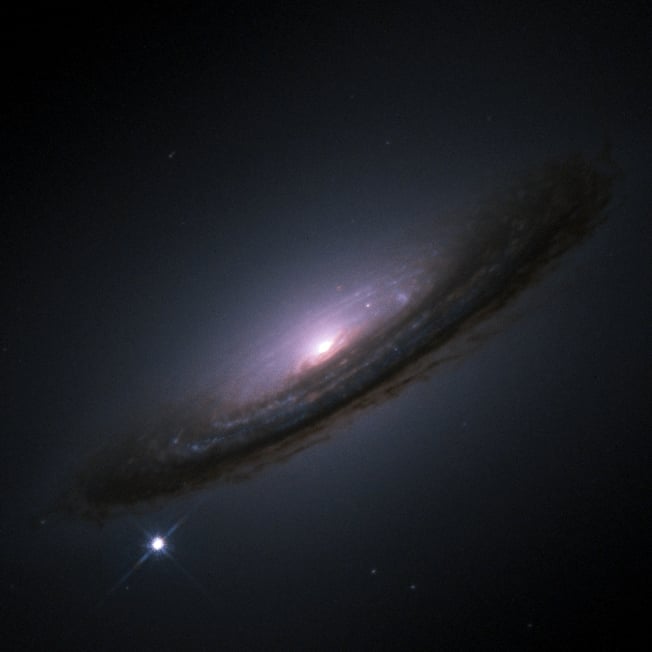
Nobel Laureates Rebut Study Claiming Universe's Expansion Is Slowing, Confirm Acceleration Continues
An international team of astrophysicists, including Nobel laureates Adam Riess and Brian Schmidt, has published a study in the Monthly Notices of the Royal Astronomical Society confirming that the universe's expansion is still accelerating. The rebuttal targets a late-2024 South Korean study that had claimed dark energy was weakening, a finding that would have overturned nearly three decades of cosmological understanding. The new study identifies two specific methodological errors in the earlier work, restoring confidence in the standard model of cosmic acceleration while leaving the deeper mystery of what dark energy actually is unresolved.

Study Finds Trees May Store Less Carbon Than Climate Models Predict
A new study published in Science Advances found that oak trees stop growing months before they stop photosynthesizing, meaning increased carbon uptake does not necessarily translate into more wood growth and long-term carbon storage. Researchers analyzed 137 sites across the US, finding that 26–36% of annual carbon uptake occurred after tree growth had already ceased, with drought and heat identified as key triggers for halting growth. The findings suggest that widely used climate models, which assume photosynthesis and growth are tightly linked, may be overestimating forests' future capacity to sequester carbon.
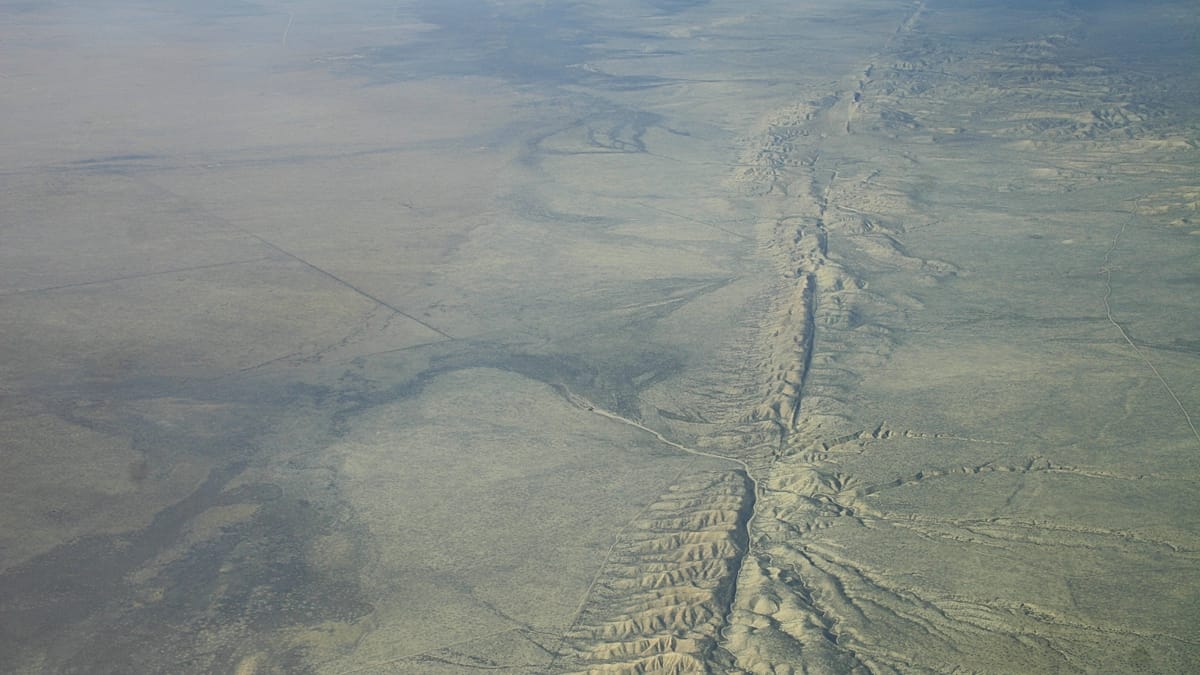
San Andreas Fault Stress Reaches Highest Level in 1,000 Years, Study Finds
A new peer-reviewed study finds that tectonic stress on Southern California's San Andreas and San Jacinto fault systems has reached its highest levels in at least 1,000 years, with the San Jacinto-Bernardino section measuring 3.6 megapascals. The research, led by the University of Hawaiʻi at Mānoa and published in the Journal of Geophysical Research: Solid Earth, used a computer model drawing on geological data including radiocarbon dating and tree-ring records to reconstruct a millennium of earthquake history. The findings cannot predict when a major earthquake will occur but are intended to improve hazard assessments, inform building codes, and guide emergency preparedness in a region home to millions.