NASA's Artemis astronauts will wear Prada-designed cooling garment for lunar missions
Axiom Space and Prada unveiled a Liquid Cooling and Ventilation Garment (LCVG) on Sunday, designed to be worn beneath the AxEMU spacesuit during NASA's Artemis lunar missions. The garment circulates chilled water around astronauts' bodies, delivers oxygen, and removes carbon dioxide, and features antimicrobial, antifungal materials for repeated use on extended eight-hour moonwalks. The announcement highlights both the growing role of private-sector and luxury-brand partnerships in space exploration and ongoing concerns about whether the Artemis program will meet its 2028 Moon landing target.
Axiom Space and Italian fashion house Prada unveiled the Liquid Cooling and Ventilation Garment (LCVG) at a New York City press event on Sunday, expanding their existing collaboration on the Axiom Extravehicular Mobility Unit (AxEMU) spacesuit. The LCVG is a full-body inner layer threaded with tubing that circulates cold water to regulate astronaut body temperature and includes an oxygen delivery system to flush exhaled carbon dioxide away from the face. Notably, the garment incorporates a fully redundant cooling circuit and is made from specialized, antimicrobial and antifungal fibers designed to withstand repeated use across long-duration missions. Prada's contributions included expertise in engineered knitting, advanced 3D modeling, and innovative materials design, while Axiom Space provided the technical spaceflight requirements. The AxEMU represents the first major upgrade to NASA spacesuits in over 20 years, replacing designs rooted in the Apollo era. However, a NASA Inspector General report from April warned that Axiom's original 2025 testing timeline was 'ultimately unachievable' and that flight-ready suits might not be demonstrated until 2031, though Axiom says it has accelerated its schedule and plans to complete a Critical Design Review this year. The Artemis IV mission, currently targeting a 2028 lunar south pole landing, has already slipped once and faces additional uncertainty from setbacks with Blue Origin's New Glenn rocket and SpaceX's Starship.
Limitations & open questions
The specific materials used in the LCVG were not disclosed by any source. Additionally, no source clarified whether the LCVG has yet undergone full qualification testing or received NASA certification.
How coverage differed
The Register adopted a lighthearted, skeptical tone—emphasizing the fashion-meets-function novelty and dwelling on broader Artemis program risks—while Scientific American provided a more straightforward, detail-oriented science news framing focused on the garment's technical features and the partnership's significance.
What different sources said
- Scientific AmericanCenter
NASA’s astronauts will wear a Prada-designed onesie to keep cool on the moon
- The RegisterCenter
NASA's Secret: Moon astronauts will be rocking Prada underwear
Artemis Astronauts to Wear Prada Spacesuits
Related
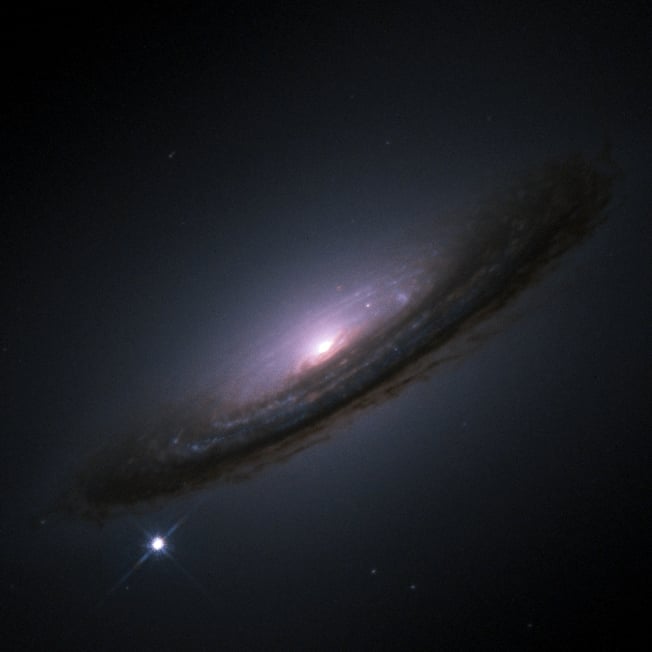
Nobel Laureates Rebut Study Claiming Universe's Expansion Is Slowing, Confirm Acceleration Continues
An international team of astrophysicists, including Nobel laureates Adam Riess and Brian Schmidt, has published a study in the Monthly Notices of the Royal Astronomical Society confirming that the universe's expansion is still accelerating. The rebuttal targets a late-2024 South Korean study that had claimed dark energy was weakening, a finding that would have overturned nearly three decades of cosmological understanding. The new study identifies two specific methodological errors in the earlier work, restoring confidence in the standard model of cosmic acceleration while leaving the deeper mystery of what dark energy actually is unresolved.

Study Finds Trees May Store Less Carbon Than Climate Models Predict
A new study published in Science Advances found that oak trees stop growing months before they stop photosynthesizing, meaning increased carbon uptake does not necessarily translate into more wood growth and long-term carbon storage. Researchers analyzed 137 sites across the US, finding that 26–36% of annual carbon uptake occurred after tree growth had already ceased, with drought and heat identified as key triggers for halting growth. The findings suggest that widely used climate models, which assume photosynthesis and growth are tightly linked, may be overestimating forests' future capacity to sequester carbon.
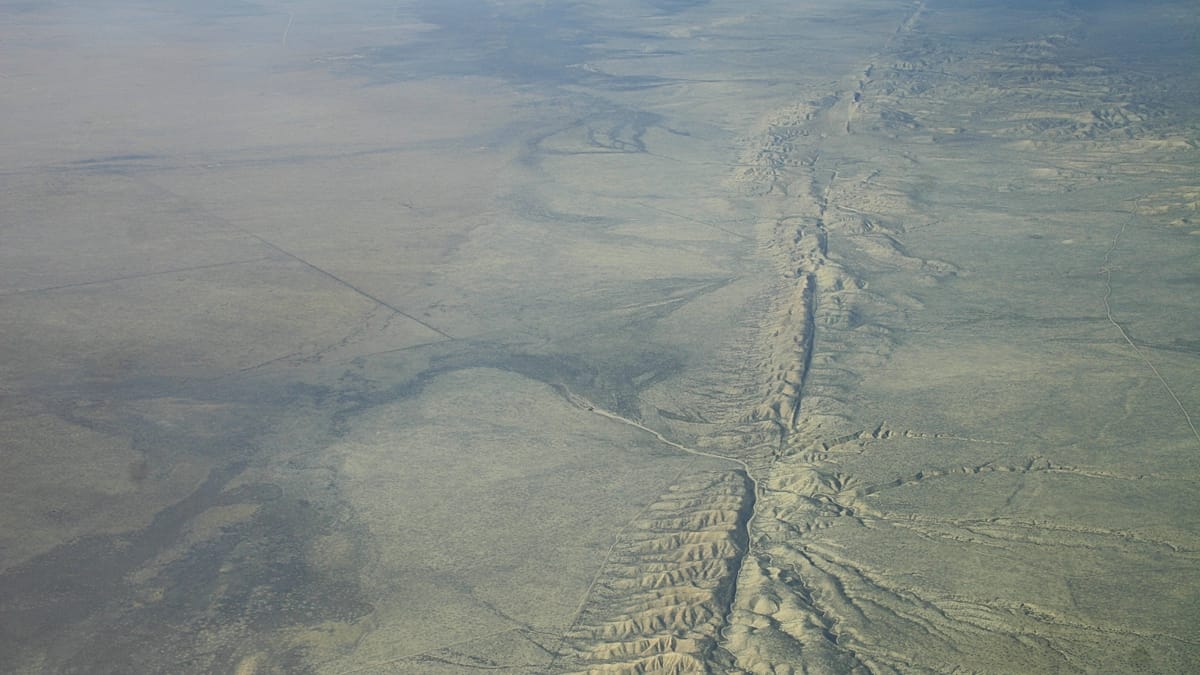
San Andreas Fault Stress Reaches Highest Level in 1,000 Years, Study Finds
A new peer-reviewed study finds that tectonic stress on Southern California's San Andreas and San Jacinto fault systems has reached its highest levels in at least 1,000 years, with the San Jacinto-Bernardino section measuring 3.6 megapascals. The research, led by the University of Hawaiʻi at Mānoa and published in the Journal of Geophysical Research: Solid Earth, used a computer model drawing on geological data including radiocarbon dating and tree-ring records to reconstruct a millennium of earthquake history. The findings cannot predict when a major earthquake will occur but are intended to improve hazard assessments, inform building codes, and guide emergency preparedness in a region home to millions.