NASA Analyzes Artemis II Crew Health Data Following Moon Mission
Following the Artemis II crew's splashdown on April 10, NASA science teams are actively collecting and analyzing postflight health data, organ chip samples, and lunar imagery from the mission. The research spans multiple studies examining how the human body adapts to spaceflight, how deep space radiation affects tissue at the molecular level, and how the Deep Space Network performed under the mission's communications demands. Results will inform crew safety protocols and operational planning for future lunar and Mars missions.
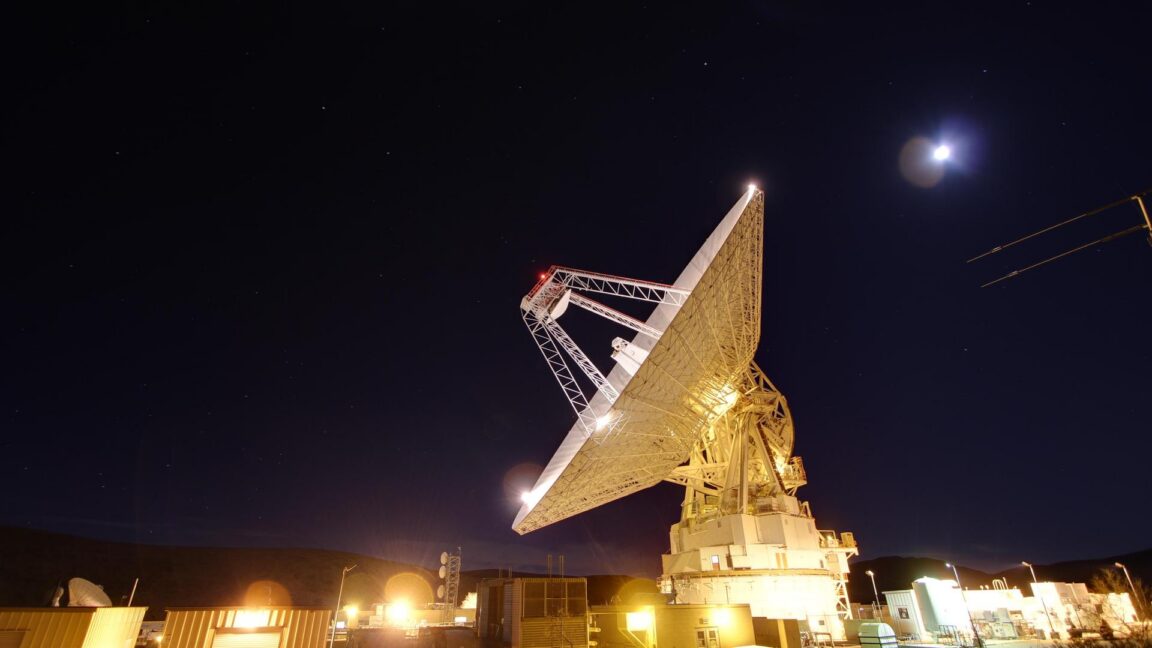
Since the Artemis II crew — NASA astronauts Reid Wiseman, Victor Glover, Christina Koch, and CSA astronaut Jeremy Hansen — returned to Earth after their record-setting mission around the Moon, researchers have been conducting an intensive postflight science campaign. Within a day of splashdown, crews underwent health assessments including blood pressure, heart rate, eye health, and motor control tests, and completed a mini obstacle course to gauge gravity readaptation. Back at Johnson Space Center, astronauts performed spacesuit mobility tests using NASA's Active Response Gravity Offload System, which simulates lunar gravity at roughly one-sixth of Earth's, to help scientists understand how quickly crews could perform mission-critical tasks after landing on the Moon or Mars. Bone marrow organ chips from the AVATAR investigation, which flew around the Moon with the astronauts, are now being analyzed at Emulate's Boston laboratory using single-cell RNA sequencing to study how deep space radiation and microgravity affect human health at the molecular level. NASA also plans to release more than 100 science-related audio recordings and approximately 11,500 Earth and Moon image and video files from the mission's seven-hour lunar observation session on April 6. Separately, NASA's Deep Space Network, which strained under Artemis I's 25-day mission in 2022, performed better during the shorter nine-day Artemis II flight thanks to improved scheduling processes and infrastructure upgrades, though long-term capacity challenges remain as roughly 40 additional missions are projected to need DSN support over the next decade. A damaged 70-meter antenna at Goldstone, knocked offline after an over-rotation accident last year, is not expected to return to service until 2028, adding further pressure to the network.
Limitations & open questions
The articles do not specify a timeline for when the AVATAR organ chip analysis or the Spaceflight Standard Measures study results will be formally published in peer-reviewed literature, nor do they address whether the Artemis II mission's shorter duration compared to long-duration ISS stays limits the generalizability of the health findings to future extended lunar surface missions.
How coverage differed
The NASA and Phys.org articles are nearly identical in content, both serving as straightforward informational releases with no meaningful framing differences. The Ars Technica article covers a distinct but related angle — the Deep Space Network's performance and infrastructure challenges — with a more analytical and critical tone, highlighting systemic vulnerabilities such as the Goldstone antenna accident and capacity overruns.
What different sources said
- NASACenter
NASA’s Artemis II Moon Mission Research Continues on Earth
- Phys.orgCenter
Artemis II moon mission research continues on Earth
- Ars TechnicaCenter
After nearly breaking, NASA's Deep Space Network "worked well" on Artemis II
Related
Nobel Laureates Rebut Study Claiming Universe's Expansion Is Slowing, Confirm Acceleration Continues
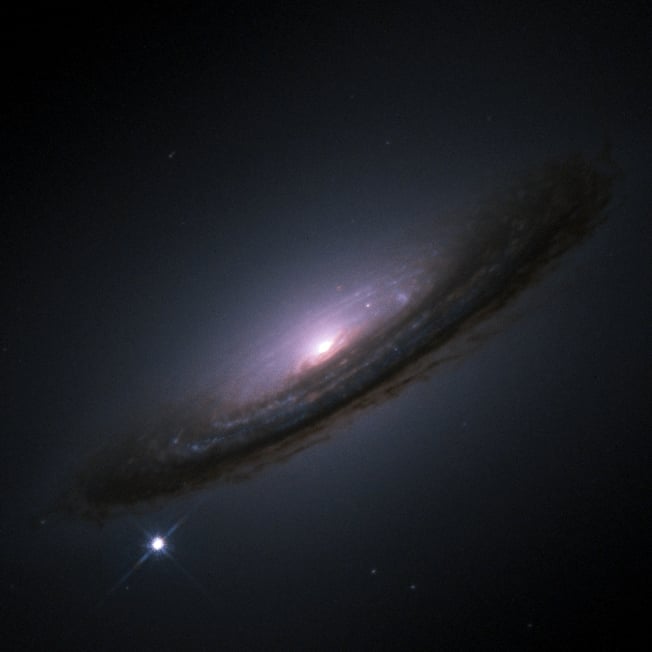
An international team of astrophysicists, including Nobel laureates Adam Riess and Brian Schmidt, has published a study in the Monthly Notices of the Royal Astronomical Society confirming that the universe's expansion is still accelerating. The rebuttal targets a late-2024 South Korean study that had claimed dark energy was weakening, a finding that would have overturned nearly three decades of cosmological understanding. The new study identifies two specific methodological errors in the earlier work, restoring confidence in the standard model of cosmic acceleration while leaving the deeper mystery of what dark energy actually is unresolved.

Study Finds Trees May Store Less Carbon Than Climate Models Predict
A new study published in Science Advances found that oak trees stop growing months before they stop photosynthesizing, meaning increased carbon uptake does not necessarily translate into more wood growth and long-term carbon storage. Researchers analyzed 137 sites across the US, finding that 26–36% of annual carbon uptake occurred after tree growth had already ceased, with drought and heat identified as key triggers for halting growth. The findings suggest that widely used climate models, which assume photosynthesis and growth are tightly linked, may be overestimating forests' future capacity to sequester carbon.
San Andreas Fault Stress Reaches Highest Level in 1,000 Years, Study Finds
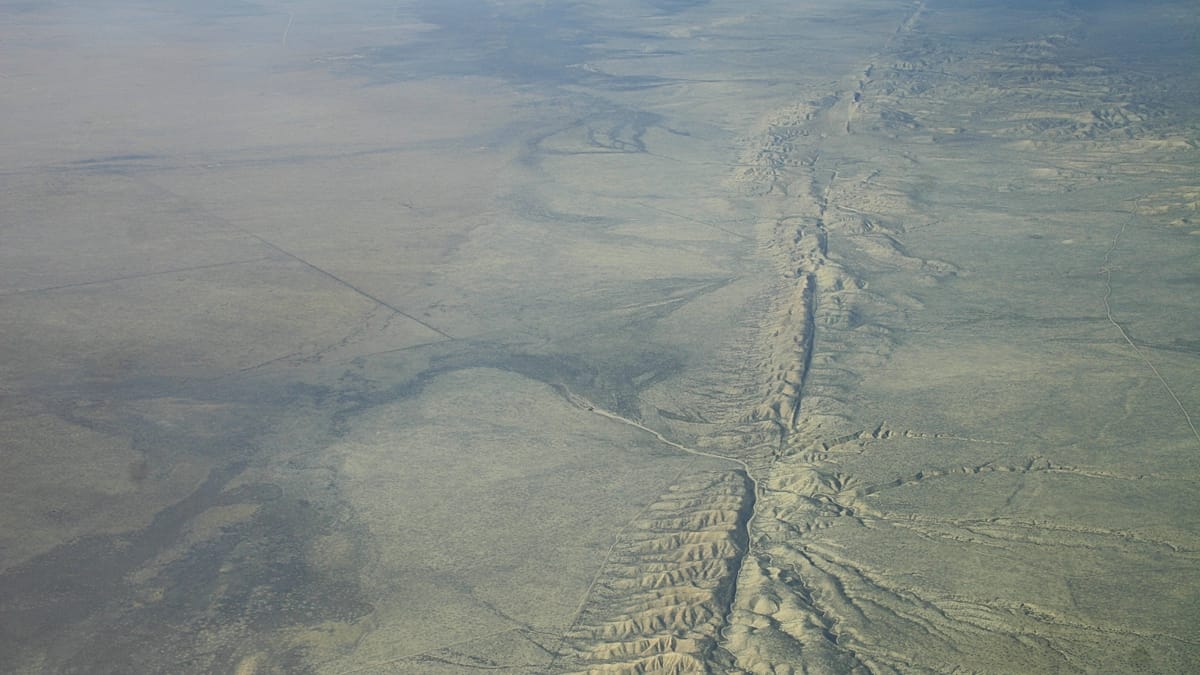
A new peer-reviewed study finds that tectonic stress on Southern California's San Andreas and San Jacinto fault systems has reached its highest levels in at least 1,000 years, with the San Jacinto-Bernardino section measuring 3.6 megapascals. The research, led by the University of Hawaiʻi at Mānoa and published in the Journal of Geophysical Research: Solid Earth, used a computer model drawing on geological data including radiocarbon dating and tree-ring records to reconstruct a millennium of earthquake history. The findings cannot predict when a major earthquake will occur but are intended to improve hazard assessments, inform building codes, and guide emergency preparedness in a region home to millions.