Mitochondria directly tether to nuclear pores to supply energy for cell division and differentiation
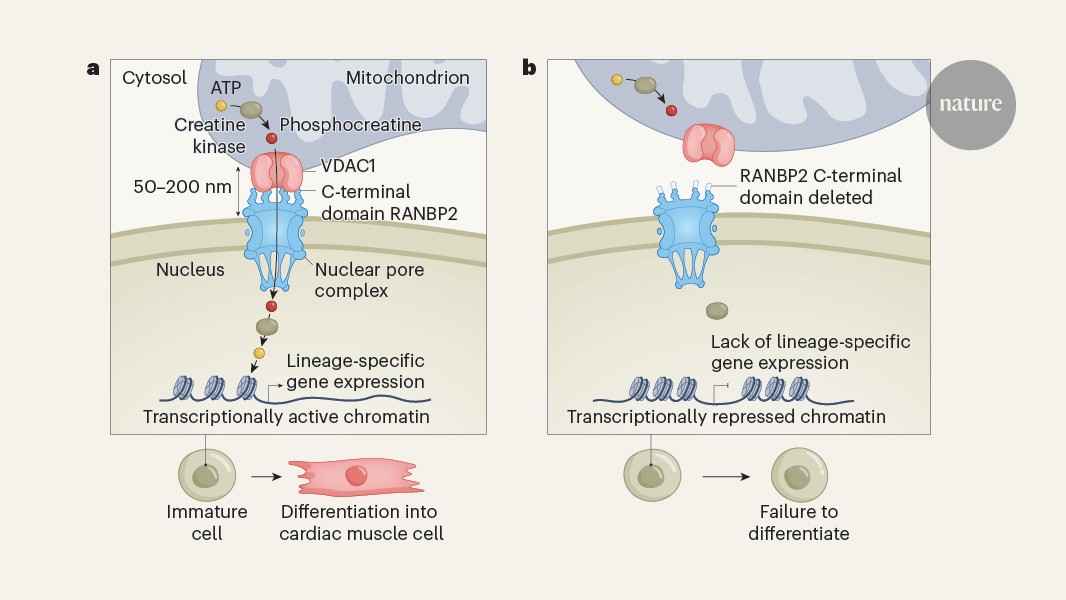
Researchers have discovered that mitochondria directly interact with the nuclear pore complex (NPC) via the protein RANBP2, forming a previously unrecognized contact site between these two organelles. The study, published in Nature, used multiple genomic, proteomic, and imaging approaches—including CRISPR-edited cell lines and mouse models—to characterize this interaction and its functional consequences for nuclear gene regulation and energy supply. The finding expands the known landscape of mitochondrial contact sites and suggests a direct physical mechanism by which mitochondria influence nuclear activity.
A new study published in Nature reports that mitochondria form direct contact sites with the nuclear pore complex (NPC), mediated by the nucleoporin RANBP2 (also known as Nup358). Using a combination of RNA-seq, ChIP-seq, ATAC-seq, proteomics, biophysical modeling of ATP diffusion, and phylogenetic analysis of vertebrate RANBP2, the researchers characterized the molecular basis and functional significance of this interaction. The work builds on a growing body of literature documenting mitochondrial contact sites with organelles such as the endoplasmic reticulum, lysosomes, peroxisomes, and lipid droplets, but represents the first detailed description of a direct mitochondria-NPC interface. The authors propose that this proximity facilitates local ATP delivery to the nucleus and may influence chromatin remodeling and transcriptional regulation. CRISPR-edited cell lines and a mouse model were generated to probe the biological consequences of disrupting this contact. All large datasets have been deposited in public repositories, and the biophysical modeling code is publicly available. The study raises new questions about how mitochondrial positioning near the nucleus contributes to mitonuclear communication in health and disease.
What different sources said
- Nature NewsCenter
Mitochondria directly interact with the nuclear pore complex
Related
Nobel Laureates Rebut Study Claiming Universe's Expansion Is Slowing, Confirm Acceleration Continues
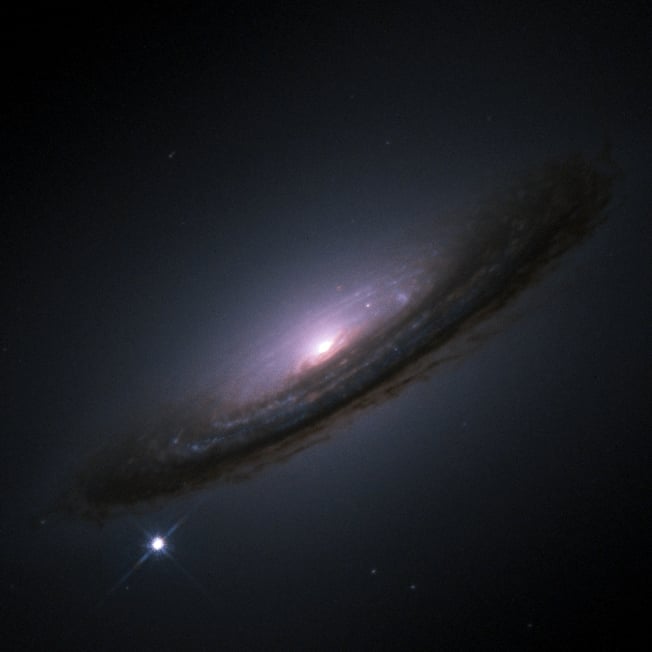
An international team of astrophysicists, including Nobel laureates Adam Riess and Brian Schmidt, has published a study in the Monthly Notices of the Royal Astronomical Society confirming that the universe's expansion is still accelerating. The rebuttal targets a late-2024 South Korean study that had claimed dark energy was weakening, a finding that would have overturned nearly three decades of cosmological understanding. The new study identifies two specific methodological errors in the earlier work, restoring confidence in the standard model of cosmic acceleration while leaving the deeper mystery of what dark energy actually is unresolved.

Study Finds Trees May Store Less Carbon Than Climate Models Predict
A new study published in Science Advances found that oak trees stop growing months before they stop photosynthesizing, meaning increased carbon uptake does not necessarily translate into more wood growth and long-term carbon storage. Researchers analyzed 137 sites across the US, finding that 26–36% of annual carbon uptake occurred after tree growth had already ceased, with drought and heat identified as key triggers for halting growth. The findings suggest that widely used climate models, which assume photosynthesis and growth are tightly linked, may be overestimating forests' future capacity to sequester carbon.
San Andreas Fault Stress Reaches Highest Level in 1,000 Years, Study Finds
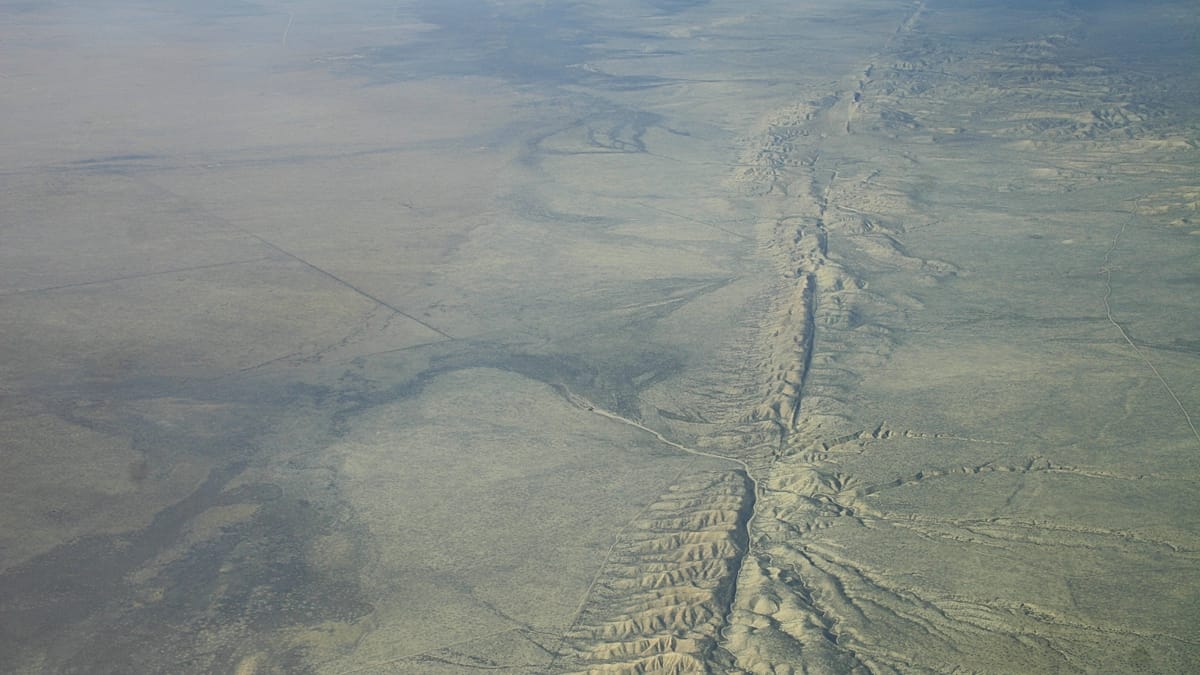
A new peer-reviewed study finds that tectonic stress on Southern California's San Andreas and San Jacinto fault systems has reached its highest levels in at least 1,000 years, with the San Jacinto-Bernardino section measuring 3.6 megapascals. The research, led by the University of Hawaiʻi at Mānoa and published in the Journal of Geophysical Research: Solid Earth, used a computer model drawing on geological data including radiocarbon dating and tree-ring records to reconstruct a millennium of earthquake history. The findings cannot predict when a major earthquake will occur but are intended to improve hazard assessments, inform building codes, and guide emergency preparedness in a region home to millions.